
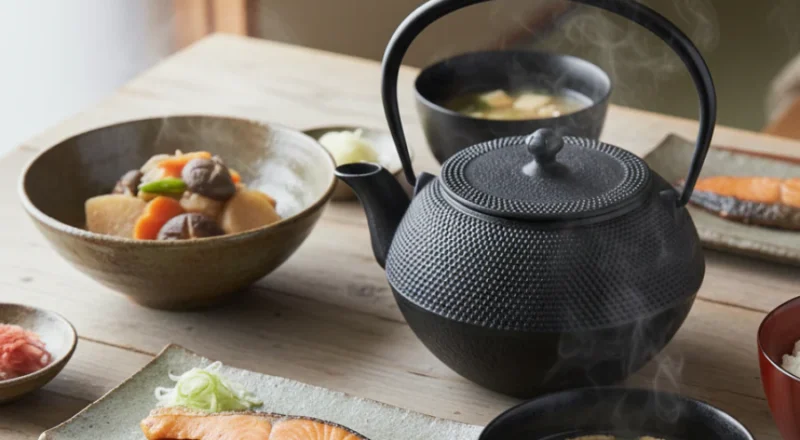
Metal pots and pans are prized for their durability, heat retention, and timeless appeal. Whether you cook with cast iron, stainless steel, copper, or carbon steel, proper care is essential to maximize the lifespan of your cookware. With the right approach, your favorite pans can serve you and future generations. This guide shares practical metal cookware longevity tips to help you preserve your investment and enjoy flawless cooking results for years to come.
Before diving into maintenance strategies, it’s worth appreciating the rich history and cultural significance of metal cookware. If you’re interested in how these traditions have evolved, explore metal casting history for a fascinating look at the journey from ancient bronze to modern iron.
Understanding the Materials: Why Metal Cookware Lasts
Different metals offer unique benefits and require tailored care. Here’s a brief overview of the most common types:
- Cast Iron: Renowned for heat retention and even cooking, but prone to rust if not seasoned and dried properly.
- Stainless Steel: Resistant to rust and corrosion, but can discolor or pit if exposed to harsh chemicals or salt.
- Copper: Excellent heat conductor, but requires regular polishing to prevent tarnish and often lined with tin or stainless steel.
- Carbon Steel: Similar to cast iron in care needs, develops a natural nonstick patina over time.
Understanding your cookware’s material is the first step to applying the right metal cookware longevity tips for optimal results.
Daily Habits for Prolonged Cookware Life
Consistent, gentle care is the foundation of long-lasting pots and pans. Here are essential habits to adopt:
- Clean Promptly: Wash cookware soon after use to prevent food from sticking and causing stains or corrosion.
- Avoid Soaking: Extended soaking, especially for cast iron and carbon steel, can lead to rust and degrade seasoning.
- Use Mild Detergents: Harsh chemicals can strip protective layers or damage finishes. Opt for gentle dish soap and soft sponges.
- Dry Thoroughly: Moisture is the enemy of metal. After washing, dry pots and pans completely with a towel or by warming them on the stove.
- Store Properly: Stack with care, using pan protectors or towels to prevent scratches, and keep in a dry environment.
Seasoning and Oiling: Key to Nonstick and Rust Prevention
For cast iron and carbon steel, seasoning is vital. This process builds a protective, nonstick layer that enhances performance and shields against rust. To season your cookware:
- Clean and dry the pan thoroughly.
- Apply a thin layer of neutral oil (such as flaxseed or grapeseed) to all surfaces.
- Heat in the oven or on the stovetop until the oil polymerizes, forming a hard coating.
- Repeat as needed to maintain a slick, black patina.
For stainless steel and copper, regular oiling isn’t required, but a light rub with oil after cleaning can help prevent water spots and maintain shine. Avoid using olive oil for seasoning, as it can become sticky over time.
Smart Cooking Practices for Lasting Results
How you cook can greatly impact the longevity of your metal pots and pans. Consider these practical suggestions:
- Preheat Gradually: Sudden temperature changes can warp metal. Warm pans slowly, especially on induction or glass stovetops.
- Use the Right Utensils: Wooden, silicone, or plastic tools prevent scratches. Avoid metal utensils on nonstick or seasoned surfaces.
- Avoid High Heat When Unnecessary: Excessive heat can discolor stainless steel and damage seasoning on cast iron.
- Don’t Cook Acidic Foods in Bare Cast Iron: Tomatoes, vinegar, and citrus can strip seasoning and cause metallic flavors.
Adopting these habits will help you get the best performance from your cookware while minimizing wear and tear.
Deep Cleaning and Restoration Techniques
Even with the best care, metal cookware occasionally needs a deeper clean. Here’s how to tackle stubborn stains and restore your pots:
- For Cast Iron: Use coarse salt and a little water as a scrub. Avoid soap if possible. For rust, scrub with steel wool and re-season.
- For Stainless Steel: Remove discoloration with a paste of baking soda and water. For burnt-on food, simmer water and baking soda, then scrub.
- For Copper: Polish with a mixture of lemon juice and salt or use a commercial copper cleaner. Rinse thoroughly after cleaning.
- For Carbon Steel: Treat similarly to cast iron—scrub, dry, and re-season as needed.
Never use abrasive cleaners or steel wool on stainless steel or copper, as these can scratch and dull the finish.
Special Considerations for Unique Cookware
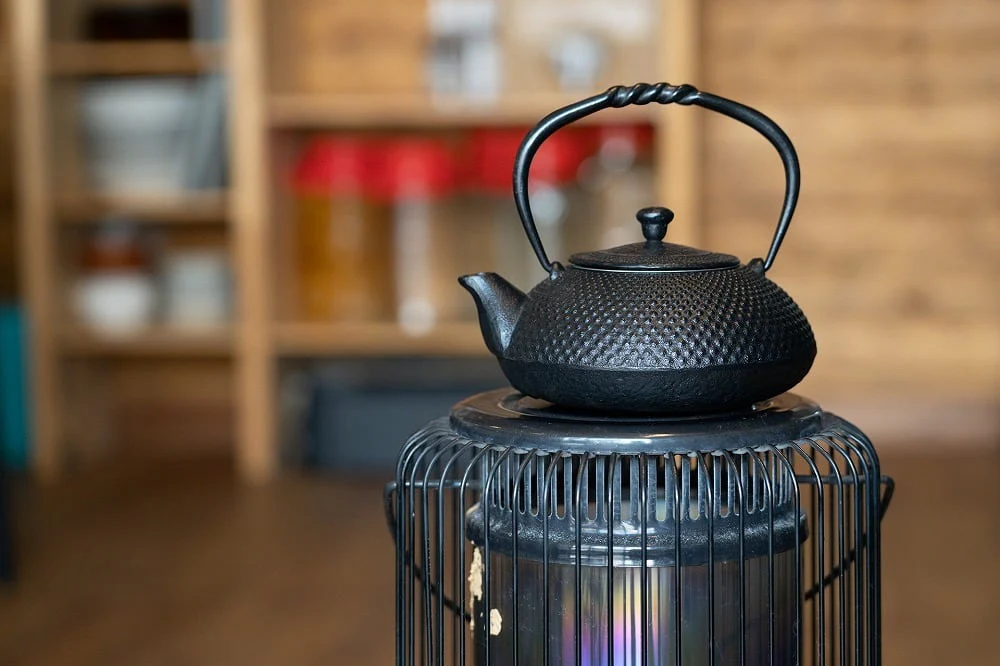
Some metal cookware pieces, like teapots or kettles, require extra attention. For example, Japanese cast iron teapots are both functional and decorative. To learn more about their care, see this comprehensive guide to cast iron teapot maintenance.
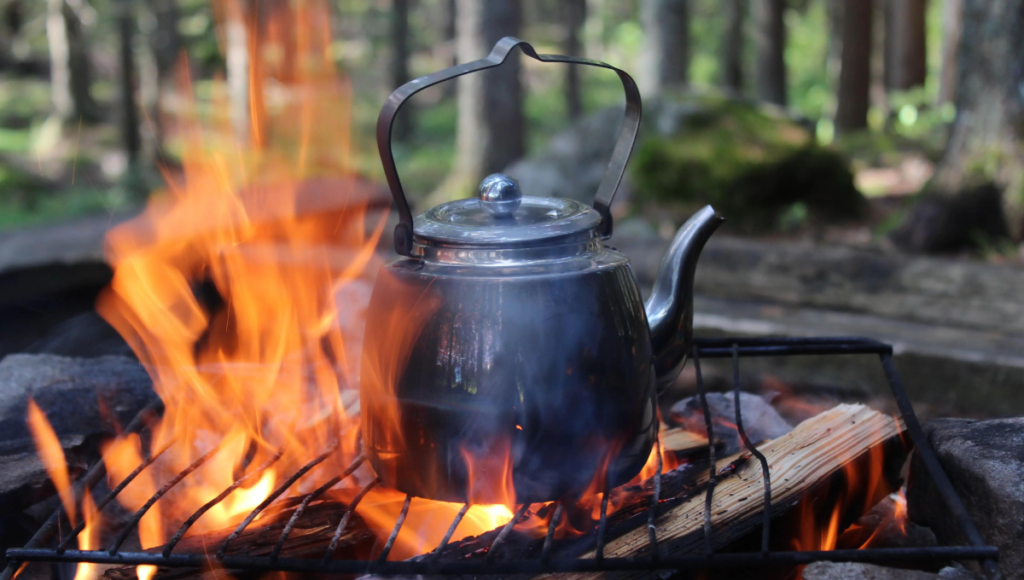
Additionally, if you’re interested in how different cultures approach kettle cooking, the article on cultural kettle cooking traditions provides valuable insights into global practices that have shaped the way we care for metal cookware.
Long-Term Storage and Seasonal Maintenance
When storing metal cookware for extended periods, follow these steps to prevent damage:
- Ensure each piece is completely dry before putting it away.
- Apply a very thin layer of oil to cast iron and carbon steel to prevent rust.
- Store lids separately or slightly ajar to allow air circulation and avoid moisture buildup.
- Keep cookware in a cool, dry place away from humidity.
Perform a thorough inspection and re-seasoning at least once or twice a year, especially if you notice any signs of rust or dullness.
Common Mistakes That Shorten Cookware Lifespan
Even experienced cooks can fall into habits that reduce the life of their pots and pans. Avoid these pitfalls:
- Putting metal cookware in the dishwasher (except for some stainless steel).
- Using abrasive pads or harsh chemicals.
- Leaving pans wet or stacked without protection.
- Neglecting to re-season after deep cleaning or rust removal.
By steering clear of these mistakes, you’ll ensure your cookware remains reliable and beautiful for decades.
FAQ: Metal Cookware Care and Longevity
How often should I season my cast iron or carbon steel pan?
Season your pan whenever the surface looks dull, food starts to stick, or after deep cleaning. For regular home use, a light seasoning every few months is usually sufficient. Frequent use and proper cleaning will help maintain the nonstick layer.
Can I use soap on my seasoned cookware?
Mild soap is generally safe for seasoned pans, especially if they’re well-seasoned. Avoid soaking and always dry thoroughly. If the seasoning appears damaged, reapply oil and heat to restore the protective layer.
What’s the best way to remove rust from metal cookware?
For light rust, scrub with coarse salt or a non-abrasive pad. For heavier rust, use steel wool on cast iron or carbon steel, then rinse, dry, and re-season. Avoid using steel wool on stainless steel or copper, as it can scratch the surface.
Is it safe to cook acidic foods in metal pans?
Acidic foods can react with bare cast iron or carbon steel, stripping seasoning and imparting metallic flavors. For stainless steel or enameled cookware, acidic foods are generally safe. If using cast iron, ensure it’s well-seasoned or use an enameled version for acidic dishes.
Conclusion
With these metal cookware longevity tips, you can keep your pots and pans in top condition for years to come. By understanding your cookware’s material, adopting smart cleaning and cooking habits, and avoiding common mistakes, you’ll enjoy reliable performance and preserve the beauty of your kitchen essentials. For more on the cultural side of cookware, explore topics like historic food serving methods and outdoor hospitality traditions to deepen your appreciation of these timeless tools.


