
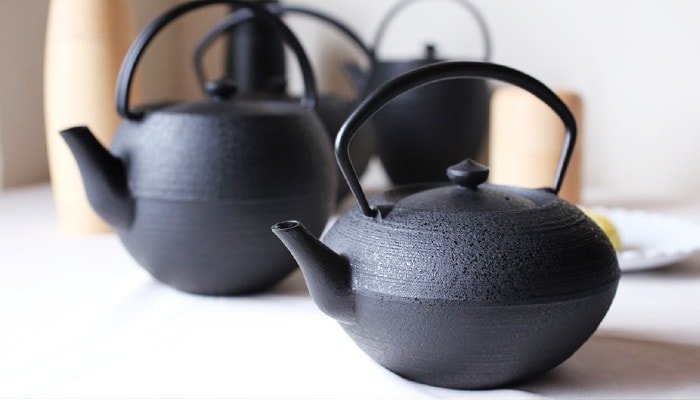
Choosing the best fuels for cast iron kettles can make a significant difference in both the flavor of your food and the longevity of your cookware. Whether you’re brewing tea, simmering stews, or boiling water outdoors, the type of fuel you use impacts heat control, cleaning, and even the overall experience. This guide explores the most effective options, from traditional wood and charcoal to modern alternatives, helping you find the right match for your kettle and cooking style.
Before diving into the details, it’s worth noting that fuel choice is often influenced by cultural traditions and historical practices. If you’re interested in how different societies have approached kettle cooking, you might enjoy reading about cultural kettle cooking traditions from around the world.
Why Fuel Choice Matters for Cast Iron Kettles
Cast iron is renowned for its ability to retain and distribute heat evenly. However, the source of that heat can influence everything from the taste of your tea or stew to the maintenance required for your kettle. Some fuels burn hotter and faster, while others offer a steady, gentle warmth ideal for slow cooking. Selecting the right option ensures efficient heating, preserves the seasoning of your kettle, and can even enhance the ritual of outdoor hospitality traditions.
Traditional Wood: A Classic Approach
For centuries, wood has been the go-to fuel for kettle cooking. It’s widely available, affordable, and imparts a subtle smoky flavor that many enthusiasts appreciate. Hardwood varieties like oak, maple, and hickory are especially popular because they burn hotter and longer than softwoods. This makes them ideal for boiling water or slow-simmering stews in cast iron.
- Flavor: Wood smoke can add depth to teas and broths.
- Heat Control: Requires practice to manage temperature, as flames can fluctuate.
- Residue: Ash and soot can accumulate on the kettle, so regular cleaning is essential.
Those who enjoy the communal aspect of cooking over an open fire may find wood to be the most rewarding choice. For more on the social side of campfire cooking, see our article on outdoor hospitality traditions.

Charcoal: Consistent Heat for Cast Iron Cooking
Charcoal is another popular fuel for cast iron kettles, especially when a steady, predictable heat source is needed. Lump charcoal, made from natural hardwood, is preferred over briquettes for its clean burn and minimal additives. Charcoal is easy to light, produces less smoke than wood, and allows for precise temperature control, making it a favorite for both outdoor and indoor setups.
- Steady Heat: Charcoal burns evenly, making it easier to maintain a simmer or boil.
- Less Mess: Produces less ash and soot compared to wood, reducing cleanup time.
- Flavor: While it adds less smokiness than wood, charcoal still imparts a subtle, pleasant aroma.
For those interested in historic food serving methods and how our ancestors managed their kettles, charcoal has long played a role in both home and communal cooking. Learn more about historic food serving methods and their connection to cast iron cookware.
Modern Alternatives: Gas, Alcohol, and Biomass
While wood and charcoal are traditional, modern fuels offer convenience and efficiency, especially for those cooking indoors or on the go.
Gas Burners
Propane and butane stoves are popular for their clean, instant heat and portability. They’re ideal for camping or emergency use, and they won’t leave residue on your kettle. However, they lack the flavor-enhancing qualities of wood or charcoal.
Alcohol Stoves
Small, lightweight, and easy to use, alcohol stoves are favored by backpackers. They provide a gentle, consistent flame but are best suited for boiling water rather than slow cooking.
Biomass Pellets
Compressed wood or plant pellets are a newer option, burning efficiently with minimal smoke. They’re eco-friendly and easy to store, making them a practical choice for modern outdoor cooks.
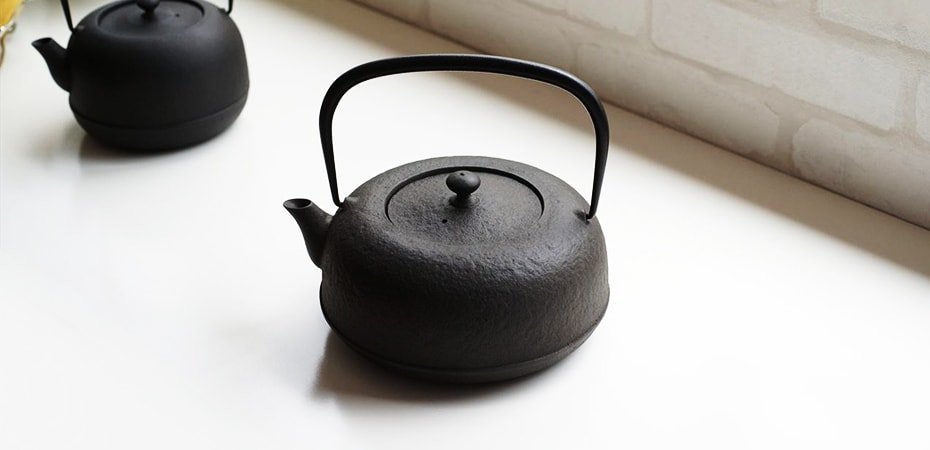
Comparing Fuel Types for Cast Iron Kettle Cooking
| Fuel Type | Heat Control | Flavor Impact | Cleanup | Best Use |
|---|---|---|---|---|
| Hardwood | Variable | Strong, smoky | High (ash, soot) | Outdoor, traditional |
| Charcoal | Consistent | Mild, clean | Medium | Outdoor, controlled heat |
| Gas | Excellent | Neutral | Low | Indoor/outdoor, quick boiling |
| Alcohol | Gentle | Neutral | Low | Backpacking, boiling |
| Biomass Pellets | Steady | Mild, woody | Low | Eco-friendly, portable |
Maintaining Your Cast Iron Kettle After Fuel Use
No matter which fuel you choose, proper care is essential for keeping your cast iron kettle in top condition. After each use, allow the kettle to cool, then rinse with warm water and dry thoroughly. Avoid using soap, as it can strip the seasoning. For stubborn residue, a soft brush or a little coarse salt can help. Regularly re-seasoning your kettle will protect it from rust and enhance its nonstick qualities.
If you’re looking for a comprehensive guide on caring for enamelled cast iron cookware, check out this detailed article on using and maintaining enamelled cast iron.
Tips for Choosing the Right Fuel for Your Needs
- Consider your cooking environment: Outdoor settings are ideal for wood and charcoal, while gas and alcohol are better for indoor or portable use.
- Think about flavor: If you want a smoky taste, opt for hardwood or lump charcoal. For a neutral flavor, gas or alcohol is preferable.
- Ease of cleanup: Charcoal and modern fuels produce less residue than wood, making them easier to clean up after use.
- Availability: Use what’s easily accessible in your area, especially when camping or traveling.
For those interested in regional specialties, Eastern European kettle cooking often relies on wood or charcoal for traditional dishes. Learn more about Eastern European kettle cooking and the fuels that bring these recipes to life.
Frequently Asked Questions
Can I use any type of wood for my cast iron kettle?
It’s best to use seasoned hardwoods like oak, maple, or hickory. Avoid softwoods such as pine, which can produce excessive smoke and leave resinous deposits on your kettle.
Is charcoal safe for indoor kettle cooking?
Charcoal should only be used outdoors or in well-ventilated areas. Burning charcoal indoors can produce dangerous carbon monoxide. For indoor use, gas or electric burners are safer options.
How often should I clean my cast iron kettle after using wood or charcoal?
Clean your kettle after every use to remove ash and soot. Regular maintenance helps preserve the seasoning and prevents buildup that can affect both flavor and kettle longevity.
Do modern fuels affect the taste of water or food in cast iron kettles?
Gas and alcohol are neutral and won’t impart flavor. Wood and charcoal can add subtle smoky notes, which many people enjoy, especially when preparing traditional recipes.
What’s the best way to store my cast iron kettle between uses?
After cleaning and drying, store your kettle in a dry place with the lid off to prevent moisture buildup and rust. Applying a light coat of oil can help maintain the seasoning.
Exploring the best fuels for cast iron kettles can enhance both your cooking results and your enjoyment of the process. By understanding the pros and cons of each fuel type, you can make informed choices that suit your needs, whether you’re preparing a rustic meal over a campfire or enjoying a quiet cup of tea at home.


