
The rich heritage of bogracs cooking traditions offers a unique window into Hungarian culinary culture. These outdoor kettle meals, simmered over open flames, are more than just food—they represent centuries of rural life, community, and the evolution of European cookware. Today, these traditions continue to thrive, blending rustic techniques with modern appreciation for slow-cooked flavors and communal dining.
Understanding the roots and techniques of bogracs cuisine helps illuminate not only Hungarian history but also the broader story of eastern european kettle cooking. This guide explores the origins, essential tools, signature recipes, and the enduring appeal of cooking over fire, offering practical insights for anyone interested in authentic outdoor meals.
The Origins of Hungarian Kettle Cooking
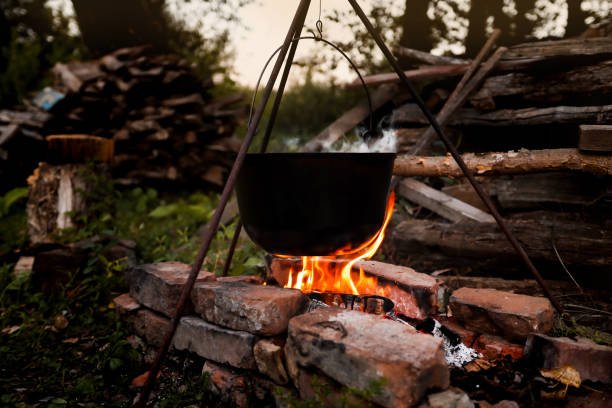
Bogracs, the iconic cauldron-shaped pot, has been at the heart of Hungarian outdoor cooking for centuries. The word “bogrács” itself comes from the Turkish “bakraç,” reflecting the region’s history of cultural exchange. Traditionally made from copper or iron, these kettles were designed for durability and even heat distribution, making them ideal for preparing stews, soups, and goulash over open fires.
Historically, shepherds and herdsmen relied on bogracs pots during long days in the fields. The simplicity of the setup—a tripod, a hanging kettle, and a wood fire—allowed for hearty, one-pot meals that could feed groups of workers or families. Over time, these gatherings became social events, with recipes and techniques passed down through generations.
For those interested in the broader evolution of cookware, the evolution of cooking vessels provides valuable context on how bogracs fits into the global history of pots and pans.
Essential Equipment for Authentic Bogracs Meals
Recreating traditional Hungarian kettle meals requires a few key pieces of equipment. The most important is, of course, the bogracs itself—a round-bottomed kettle, typically made from iron or steel, with a handle for hanging over a fire. Sizes range from small (for family use) to large (for festivals or community gatherings).
Other essentials include:
- Tripod stand: A sturdy metal frame to suspend the kettle above the flames.
- Firewood: Hardwood is preferred for steady, even heat and a subtle smoky flavor.
- Long-handled ladle: For stirring and serving without getting too close to the fire.
- Cast iron care kit: To maintain the kettle’s seasoning and prevent rust.
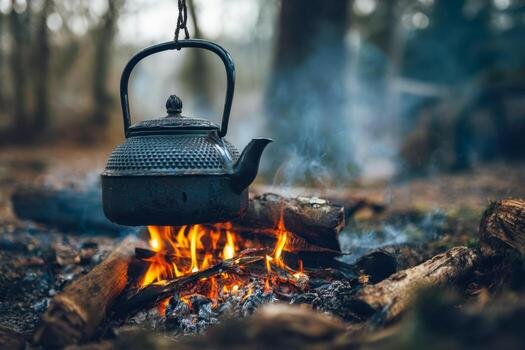
Proper maintenance is crucial for preserving your kettle. For a detailed overview of caring for iron cookware, see this guide to iron kettles and teapots.
Signature Dishes and Regional Variations
The most famous dish prepared in a bogracs is gulyás (goulash), a robust beef stew flavored with paprika, onions, potatoes, and sometimes carrots or peppers. However, the repertoire of kettle meals goes far beyond goulash. Other popular recipes include:
- Halászlé: A spicy fisherman’s soup made with river fish and plenty of paprika.
- Pörkölt: A thick meat stew, often featuring pork, beef, or lamb, simmered with onions and spices.
- Bableves: A hearty bean soup with smoked meats and root vegetables.
Each region of Hungary adds its own twist, with local ingredients and spice blends shaping the final flavor. In the south, for example, cooks may use more hot paprika, while in the north, recipes often feature wild mushrooms or game meats.
How to Prepare a Traditional Kettle Meal
Cooking over an open fire is both an art and a science. Here’s a step-by-step overview for preparing a classic bogracs stew:
- Set up the tripod and hang the kettle securely above the fire pit.
- Build a small, steady fire using dry hardwood. Allow the flames to burn down to glowing embers for even heat.
- Add diced onions and fat (lard or oil) to the kettle, sautéing until translucent.
- Stir in paprika and meat, browning the pieces on all sides.
- Add water, vegetables, and seasonings. Simmer gently, stirring occasionally, and adjust the kettle height to control the temperature.
- Cook until the meat is tender and the flavors have melded, usually 1–2 hours.
- Serve hot, directly from the kettle, with rustic bread or dumplings.
Patience is key—slow simmering allows the ingredients to develop deep, layered flavors that define authentic bogracs cuisine.
Why Outdoor Kettle Cooking Endures
The enduring popularity of Hungarian kettle meals is rooted in more than just flavor. Cooking outdoors over a fire brings people together, creating an atmosphere of camaraderie and celebration. Whether at family gatherings, festivals, or village events, the sight and aroma of a steaming bogracs pot is a signal for friends and neighbors to gather and share stories.
Beyond Hungary, similar traditions can be found across Eastern Europe and beyond, each with its own local variations. For a broader look at the cultural significance of these meals, the article on eastern european kettle cooking offers additional insights into how these practices connect communities and preserve culinary heritage.
Tips for Modern Enthusiasts
For those new to outdoor kettle cooking, a few practical tips can help ensure success:
- Start with simple recipes: Goulash and bean soup are forgiving and flavorful choices for beginners.
- Use quality ingredients: Fresh vegetables, good meat, and authentic Hungarian paprika make a noticeable difference.
- Maintain your kettle: Clean and season the pot after each use to prevent rust and maintain nonstick properties. A dedicated care kit is a worthwhile investment.
- Practice fire management: Learn to control the heat by adjusting the fire size and kettle height.
- Invite friends and family: The social aspect is just as important as the food itself.
With a bit of practice, anyone can master the basics of bogracs-style cooking and enjoy the rewards of this time-honored tradition.
Preserving and Sharing Bogracs Heritage
Today, festivals and cooking competitions across Hungary keep these customs alive, while home cooks and outdoor enthusiasts around the world experiment with their own versions of kettle meals. The continued interest in bogracs cooking traditions demonstrates the universal appeal of simple, flavorful food prepared with care and shared with others.
For those interested in the historical context of the tools used, the article on metal casting history provides a fascinating look at how these kettles have evolved from ancient times to the present.
Frequently Asked Questions
What Is the Difference Between a Bogracs and a Regular Pot?
A bogracs is a round-bottomed kettle, usually made of iron or steel, designed specifically for hanging over an open fire. Its shape allows for even heat distribution and easy stirring, which is essential for slow-cooked stews and soups. Regular pots are typically flat-bottomed and intended for stovetop use.
Can I Use a Bogracs on a Modern Stove?
While some modern bogracs pots are designed with flat bottoms for stovetop compatibility, traditional models are best used over open flames. If you want to recreate the authentic experience, outdoor fire cooking is recommended, but you can adapt recipes for indoor use with some adjustments.
How Do I Care for My Iron Kettle?
After each use, clean your kettle with hot water and a brush—avoid soap, which can strip seasoning. Dry thoroughly and apply a thin layer of oil to prevent rust. For more detailed care instructions, consider using a dedicated care kit and refer to expert resources on iron cookware maintenance.


