
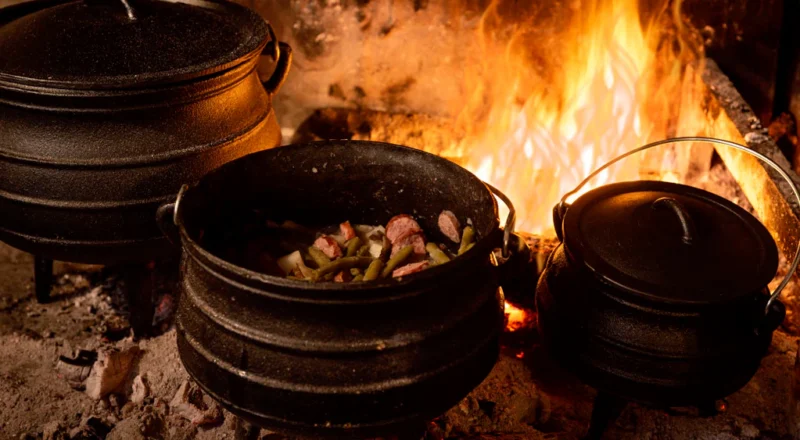
Cooking outdoors over a gentle fire brings out deep, layered flavors that are hard to achieve any other way. Slow cooked outdoor recipes are all about patience, simple ingredients, and letting time do the work. Whether you’re simmering a hearty stew in a cast iron pot or slow-roasting vegetables over glowing coals, these methods have been cherished for generations. They’re perfect for camping trips, backyard gatherings, or anyone who loves the rustic charm of fire-cooked meals.
Before diving into techniques and recipes, it’s worth noting how outdoor cooking has evolved. If you’re interested in the evolution of cooking vessels, you’ll find fascinating insights on how pots and pans have changed over centuries, shaping the way we cook today.
Why Choose Low and Slow Cooking Outdoors?
There’s a reason why so many traditional dishes rely on slow heat. Cooking food gently over a fire allows flavors to meld, tough cuts of meat to become tender, and ingredients to absorb smoky aromas. Slow cooked outdoor recipes are not just about taste—they’re about the experience. Gathering around a fire, tending to a simmering pot, and sharing the anticipation of a meal cooked with care create lasting memories.
Some benefits of slow outdoor cooking include:
- Enhanced flavor: Smoke and gentle heat bring out natural sweetness and complexity.
- Versatility: From stews to roasts and even desserts, many dishes adapt well to this method.
- Community: Cooking over fire encourages socializing and teamwork.
- Resourcefulness: Outdoor cooking often uses fewer tools and encourages creativity with available ingredients.
Essential Gear for Outdoor Slow Cooking
Having the right equipment is key to successful fire-based meals. Here’s what you’ll need for most slow cooked outdoor recipes:
- Cast iron Dutch oven or pot: Retains heat and distributes it evenly, making it ideal for stews, braises, and soups.
- Tripod or grill grate: Suspends your pot over the fire or holds food above the coals.
- Long-handled utensils: Keep your hands safe while stirring or serving.
- Heavy-duty gloves: Protects from heat when handling pots or adjusting logs.
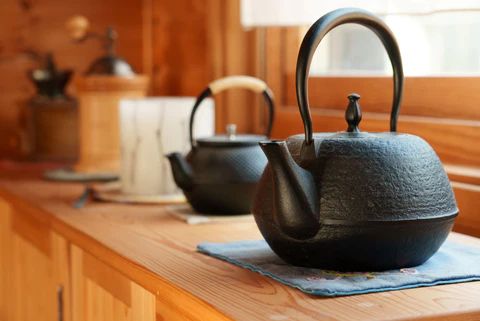
- Fire-safe kettle: For boiling water or making broths. For more on choosing the right material, see this guide to the best metal for a kettle.
Maintaining your cast iron is also crucial for longevity and flavor. After each use, clean and season your cookware to prevent rust and keep it nonstick.
Classic Slow Cooked Outdoor Recipes to Try
There’s no shortage of dishes that shine when cooked slowly over fire. Here are some time-tested favorites to inspire your next outdoor meal:
Hearty Campfire Stew
Layer beef, root vegetables, onions, and herbs in a Dutch oven. Add broth and let it simmer gently for several hours. The result is a rich, comforting stew with melt-in-your-mouth meat and deeply flavored vegetables. For a twist, try adding wild mushrooms or smoked paprika.
Slow-Roasted Fire Pit Chicken
Rub a whole chicken with olive oil, garlic, and your favorite spices. Place it in a cast iron pot with potatoes and carrots, then cook over low embers for 2–3 hours. The slow heat renders the chicken juicy and tender, while the vegetables soak up all the savory juices.
Vegetarian Bean and Tomato Ragout
Combine soaked beans, tomatoes, onions, and spices in your pot. Let it cook slowly, stirring occasionally, until the beans are soft and the sauce is thick. This dish is hearty, nutritious, and perfect for feeding a crowd.
Tips for Perfect Low and Slow Fire Meals
Success with slow cooked outdoor recipes comes down to a few key practices:
- Build the right fire: Start with hardwoods for a steady, long-lasting heat. Let the fire burn down to glowing coals before cooking.
- Control temperature: Move your pot closer or further from the heat as needed. Use a lid to retain moisture and heat.
- Stir occasionally: Prevent sticking and ensure even cooking, especially with thicker stews or beans.
- Be patient: Low and slow means giving the food time to develop flavor and tenderness.
- Keep safety in mind: Always have water or sand nearby to manage flare-ups, and never leave a fire unattended.
Adding Depth: Broths and Stocks Over the Fire
Homemade broths are the backbone of many slow-cooked dishes. Simmering bones, vegetables, and herbs over a fire creates a base that’s rich and full of character. For detailed techniques, see our guide on broth making over fire pits, which covers everything from ingredient selection to simmering times.

Creative Variations for Outdoor Slow Cooking
Once you’re comfortable with the basics, try experimenting with different ingredients and techniques:
- Global flavors: Add curry spices, soy sauce, or chili peppers for international twists.
- Vegetable-forward dishes: Slow-roast squash, sweet potatoes, or corn for a smoky, caramelized finish.
- One-pot desserts: Simmer apples with cinnamon and sugar for a simple, rustic treat.
- Layered meals: Cook grains like rice or barley at the bottom of your pot to soak up all the juices.
For those interested in optimizing their setup for mountain conditions or high-altitude cooking, check out our article on mountain camp cooking setups for gear recommendations and tips.
Cleaning and Caring for Your Outdoor Cookware
Proper maintenance of your cast iron and other cookware is essential for both safety and flavor. After each use, allow your pot to cool before cleaning. Use hot water and a brush to remove food residue—avoid soap if possible, as it can strip seasoning. Dry thoroughly and apply a thin layer of oil to prevent rust. For stubborn buildup, a paste of coarse salt and water can help scrub away debris.
Investing in a quality care kit can make this process easier and extend the life of your cookware. Regular seasoning keeps your pots nonstick and ready for the next adventure.
Frequently Asked Questions
What are the best types of wood for slow outdoor cooking?
Hardwoods like oak, hickory, maple, and cherry are ideal because they burn slowly and provide steady heat. Avoid softwoods, which burn quickly and can impart unwanted flavors.
How do I control the temperature when cooking over a fire?
Let your fire burn down to coals for more consistent heat. Adjust the distance between your pot and the coals, and use a lid to retain heat. You can also move coals around to create hotter or cooler zones as needed.
Can I use these methods for vegetarian or vegan recipes?
Absolutely. Many slow cooked outdoor recipes are easily adapted for plant-based diets. Beans, lentils, root vegetables, and grains all benefit from slow, gentle cooking over fire.
What’s the easiest slow-cooked dish for beginners?
A simple stew or chili is a great place to start. Combine meat or beans, vegetables, broth, and spices in a Dutch oven, then let it simmer over low heat until everything is tender and flavorful.
Conclusion
Mastering the art of low and slow fire meals is both rewarding and practical. With the right gear, a bit of patience, and a willingness to experiment, you can create unforgettable outdoor feasts. Whether you’re cooking for a crowd or just enjoying a quiet evening by the fire, these techniques and recipes will help you make the most of your time outdoors. Embrace the process, savor the flavors, and enjoy the unique satisfaction that comes from meals cooked the traditional way.


