
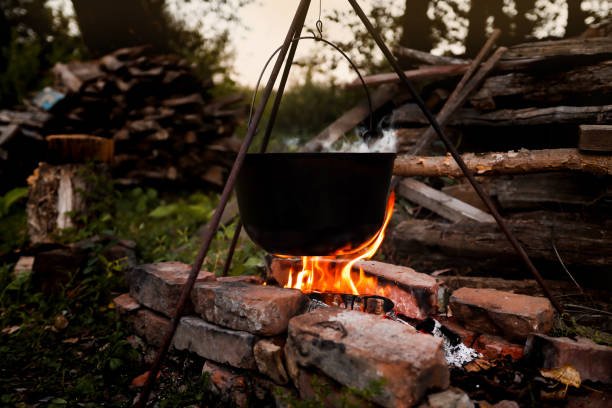
Traditional cookware collecting is a rewarding pursuit for those who appreciate history, craftsmanship, and the enduring utility of iron kitchenware. Whether you’re drawn to the rustic charm of cast iron skillets or the intricate designs of antique kettles, this guide will help you navigate the world of vintage cookware, understand what makes these pieces special, and care for your collection so it lasts for generations.
Collectors often find themselves fascinated by the stories behind each piece—how it was made, who used it, and the role it played in daily life. As you explore this hobby, you’ll discover a rich tapestry of culinary and cultural traditions. For those interested in the broader context of communal cooking and its role in society, exploring outdoor hospitality traditions can provide valuable insights into how cookware has shaped gatherings and meals throughout history.
Why Collect Antique Iron Cookware?
There are many reasons why enthusiasts are drawn to vintage iron pots, pans, and kettles. For some, it’s the durability and functionality—well-maintained iron cookware can outlast modern alternatives by decades. Others are captivated by the artistry and historical significance of these objects. Each piece tells a story, reflecting the technology, culture, and daily life of its era.
Antique ironware often features unique markings, hand-forged details, and patinas that develop over time. These characteristics not only enhance their beauty but also make each item distinct. For those interested in the evolution of metalwork, reading about metal casting history can deepen your appreciation for the craftsmanship involved in traditional cookware.
Types of Collectible Iron Cookware
The world of traditional cookware collecting encompasses a wide range of items. Here are some of the most sought-after categories:
- Cast Iron Skillets: Known for their versatility and even heat distribution, these are a staple in many collections. Look for early American brands or rare sizes and shapes.
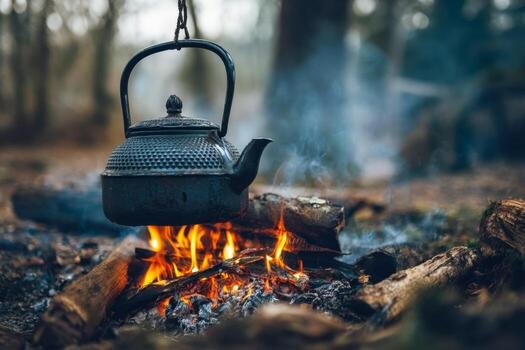
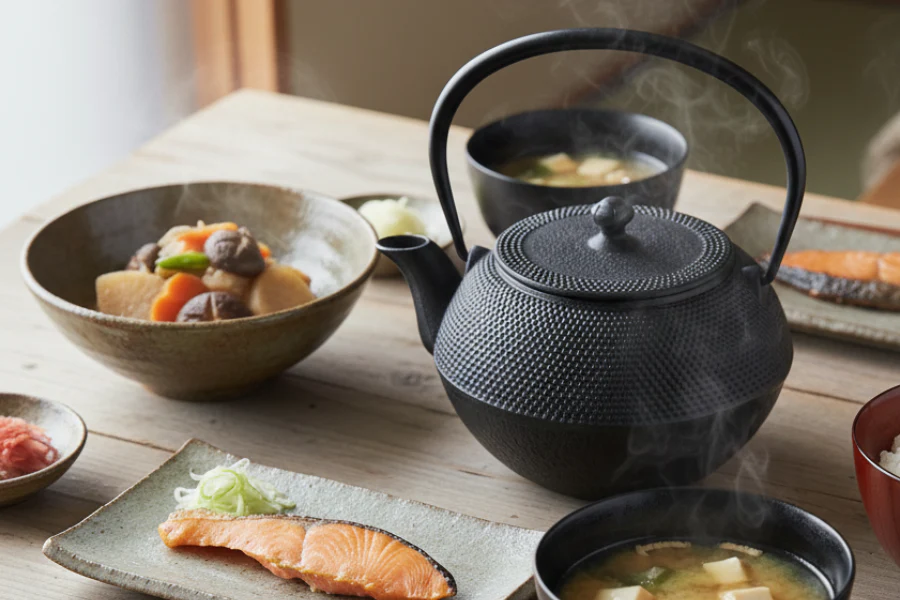
- Kettles and Cauldrons: Used for boiling water, making stews, or brewing tea, antique kettles often feature ornate handles and lids. Japanese tetsubin and European cauldrons are especially prized.
- Bakeware: Muffin pans, cornbread molds, and Dutch ovens from the 19th and early 20th centuries are highly collectible, especially those with unusual designs or manufacturer marks.
- Griddles and Waffle Irons: These pieces showcase the ingenuity of past eras and are often marked with patent dates or unique mechanisms.
Identifying Authentic Antique Ironware
Distinguishing genuine vintage cookware from reproductions is a key skill for any collector. Here are some tips to help you identify authentic pieces:
- Look for Maker’s Marks: Many manufacturers stamped or cast their names, logos, or location onto their products. Researching these marks can help date and authenticate your finds.
- Examine the Surface: Older ironware often has a smoother finish due to hand polishing or years of use. Modern reproductions may feel rough or grainy.
- Check for Gate Marks: Early cast iron pieces (pre-1900) may have a raised line or “gate mark” on the bottom, a remnant of the casting process.
- Assess the Weight and Balance: Antique cookware tends to be heavier and more evenly balanced than newer items.
For a deeper dive into the history and distinguishing features of iron kettles, consider reading this comprehensive guide to iron kettles and teapots.
Restoring and Caring for Vintage Iron Cookware
Proper care is essential to preserve the beauty and functionality of your collection. Here are some best practices:
- Cleaning: Avoid harsh detergents or soaking ironware in water for extended periods. Instead, use a stiff brush and hot water to remove food residue. For stubborn rust, a paste of baking soda and water can help.
- Seasoning: After cleaning, dry the cookware thoroughly and apply a thin layer of oil. Heat it in an oven or over a flame to polymerize the oil, creating a natural nonstick surface.
- Storage: Store iron items in a dry place. If stacking, place a paper towel or cloth between pieces to prevent scratching.
- Regular Use: Cooking with your vintage cookware helps maintain its seasoning and prevents rust.
For collectors who want to keep their pieces in top condition, investing in a dedicated care kit can be a wise choice. These kits often include seasoning oils, brushes, and cloths specifically designed for cast iron maintenance.
Where to Find Vintage Iron Cookware
Finding authentic pieces can be both a challenge and a thrill. Here are some of the best places to search:
- Antique Shops and Flea Markets: Local shops often carry a selection of cookware from various eras. Don’t hesitate to ask the dealer about the history of a piece.
- Estate Sales and Auctions: These venues can yield rare finds, especially if the previous owner was a collector or avid cook.
- Online Marketplaces: Websites like eBay and specialty forums connect buyers and sellers worldwide. Always request detailed photos and ask questions about condition and provenance.
- Collector Groups: Joining a community of enthusiasts can provide valuable leads, advice, and opportunities for trade or purchase.
As you build your collection, you may also want to explore the cultural kettle cooking traditions that have influenced the design and use of iron cookware around the world.
Displaying and Enjoying Your Collection
Once you’ve acquired a few treasured pieces, consider how you’ll display and use them. Many collectors enjoy showcasing their cookware on open shelves, hanging racks, or in glass-front cabinets. Not only does this highlight the beauty of each item, but it also makes them easily accessible for cooking.
Using your antique cookware for its intended purpose can be deeply satisfying. Preparing a meal in a century-old skillet or brewing tea in a traditional iron kettle connects you to generations of cooks who came before. For inspiration on how these items have been used in various cultures, check out the history of Eastern European kettle cooking and historic food serving methods.
Frequently Asked Questions
How can I tell if my iron cookware is truly antique?
Authentic vintage pieces often have maker’s marks, gate marks, or distinctive casting features. Researching these details and comparing them to known examples can help verify age and authenticity. Consulting collector guides or experienced enthusiasts can also provide valuable insights.
Is it safe to cook with old iron cookware?
Yes, as long as the cookware is free from cracks and has been properly cleaned and seasoned. Avoid using pieces with significant rust or damage. Many collectors regularly use their vintage items for everyday cooking.
What’s the best way to restore a rusty piece?
Remove loose rust with a stiff brush or fine steel wool, then wash with hot water. Dry thoroughly and apply a thin layer of oil before heating to re-season the surface. For persistent rust, a vinegar soak may help, but be sure to neutralize and re-season promptly afterward.
Traditional cookware collecting offers a unique window into culinary history and craftsmanship. By learning to identify, restore, and appreciate these timeless pieces, you’ll not only build a meaningful collection but also keep a valuable tradition alive for future generations.


