
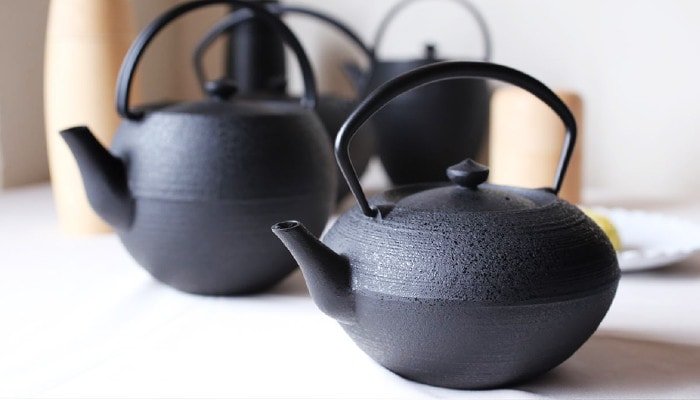
Slow simmering over fire pits is a time-honored approach to outdoor cooking that brings together tradition, patience, and the rich flavors only achieved by letting ingredients meld over gentle heat. This method, rooted in both necessity and culinary artistry, transforms simple ingredients into deeply satisfying meals. Whether you’re a seasoned camper or just beginning to explore the world of open-fire cuisine, understanding the nuances of low and slow cooking can elevate your outdoor dining experience.
The appeal of simmering food over embers lies not just in the taste, but in the process itself. It’s about slowing down, enjoying the outdoors, and connecting with age-old techniques that have nourished people for generations. From hearty stews to delicate broths, the gentle heat of a well-managed fire pit unlocks flavors that fast cooking simply can’t replicate.
For those interested in the social and cultural aspects of campfire cooking, exploring outdoor hospitality traditions offers insight into how sharing a fire has brought communities together throughout history.
Essentials for Mastering Low and Slow Cooking Outdoors
To achieve the best results when simmering food over fire pits, preparation is key. The right tools, fuel, and setup can make the difference between a memorable meal and a frustrating experience. Here are some essential considerations:
- Cast Iron Cookware: Durable and excellent at retaining heat, cast iron pots and kettles are ideal for even, consistent simmering.
- Quality Firewood: Hardwoods like oak, hickory, or maple burn longer and produce steady heat, perfect for maintaining a low flame.
- Fire Pit Setup: A stable, well-ventilated fire pit with adjustable grates or tripod stands allows for better control over temperature and placement.
- Long-Handled Tools: Tongs, ladles, and stirring spoons with extended handles keep you safe from the heat while tending your meal.
A little planning goes a long way. Before you start, gather all your ingredients and tools, and make sure your fire pit is set up in a safe, clear area.
Building the Perfect Fire for Gentle Simmering
The secret to slow simmering over fire pits is managing your heat source. Unlike grilling, where high temperatures are the goal, simmering requires patience and attention to detail. Here’s how to build and maintain the ideal fire:
- Start with a Small Fire: Use kindling and small logs to get your fire going. Once you have a good base, add larger pieces of hardwood.
- Create a Bed of Embers: Let the fire burn down until you have a glowing bed of coals. This provides steady, gentle heat without the risk of scorching your food.
- Control the Temperature: Move your pot or kettle closer or farther from the embers as needed. Adjusting the height with a tripod or grate helps fine-tune the simmer.
- Add Wood Gradually: To maintain a consistent temperature, add small pieces of wood periodically rather than large logs all at once.
Patience is essential. Rushing the process or using too much fuel can result in uneven cooking or burnt food. Instead, focus on maintaining a gentle, steady heat.

Classic Dishes Suited for Fire Pit Simmering
Certain recipes are particularly well-suited for the slow, gentle heat of a campfire. These dishes benefit from extended cooking times, allowing flavors to deepen and textures to become tender. Some favorites include:
- Stews and Soups: From beef stew to vegetable chowder, these dishes thrive on long, slow simmering. The flavors meld beautifully, and tougher cuts of meat become fork-tender.
- Chili: A classic for outdoor gatherings, chili develops a rich, complex taste when cooked over embers for several hours.
- Beans and Legumes: Dried beans cooked slowly absorb flavors and soften perfectly, making them a staple for campfire meals.
- Traditional Kettle Meals: Many cultures have their own versions of simmered kettle dishes. For more inspiration, look into cultural kettle cooking traditions from around the world.
Experimenting with different ingredients and seasonings can lead to new favorites. The key is to allow enough time for the magic of slow cooking to work.
Choosing and Caring for Cast Iron Cookware
Cast iron is the gold standard for slow simmering over fire pits thanks to its ability to distribute and retain heat evenly. However, proper care is essential to keep your cookware in top condition.
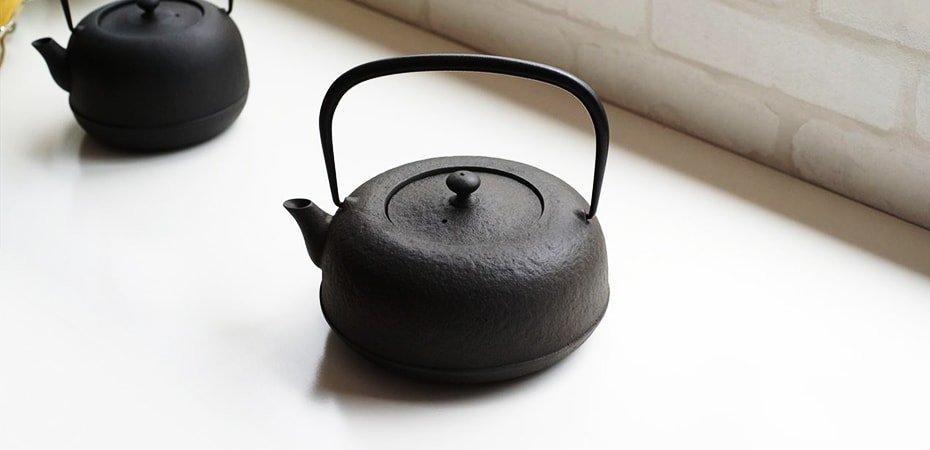
Before your next campfire meal, make sure your pot or kettle is well-seasoned. This not only prevents sticking but also protects the metal from rust. For detailed steps on maintaining your cookware, see this comprehensive guide to seasoning cast iron kettles.
After each use, clean your cookware with hot water and a gentle brush. Avoid soap, as it can strip away the seasoning. Dry thoroughly and apply a thin layer of oil before storing.
Tips for Safe and Enjoyable Campfire Cooking
Cooking over an open flame comes with unique challenges. Here are some practical tips to ensure both safety and success:
- Choose a Safe Location: Set up your fire pit away from tents, trees, and flammable materials.
- Keep Water Nearby: Always have a bucket of water or sand on hand to extinguish the fire if needed.
- Supervise Children and Pets: Maintain a safe distance between the fire and young campers or animals.
- Wear Appropriate Clothing: Avoid loose sleeves and synthetic fabrics that can catch fire easily.
- Monitor the Fire: Never leave a campfire unattended, and make sure it’s completely out before leaving the site.
Embracing these precautions will help you focus on the joys of outdoor cooking without unnecessary risks.
Exploring the Cultural Roots of Simmered Campfire Meals
The tradition of simmering food over open flames is woven into the fabric of many cultures. In Eastern Europe, for example, traditional bogracs and stews are central to communal gatherings. In other regions, kettle meals have their own unique flavors and rituals.
Learning about these customs can deepen your appreciation for the process and inspire new recipes to try on your next camping trip. For those interested in the evolution of cookware itself, the story of metal casting history reveals how advances in technology have shaped the way we cook over fire.
Frequently Asked Questions
What types of food are best for slow simmering over a campfire?
Dishes that benefit from extended cooking times, such as stews, soups, beans, and chili, are ideal. These meals allow flavors to meld and ingredients to become tender, making them perfect for the low, steady heat of a fire pit.
How do I control the temperature when cooking over a fire pit?
Managing temperature is all about adjusting your cookware’s distance from the embers and adding wood gradually. Use a tripod or adjustable grate to raise or lower your pot, and let the fire burn down to a bed of coals for consistent heat.
How should I care for my cast iron after campfire cooking?
After cooking, clean your cast iron with hot water and a brush, avoiding soap. Dry thoroughly and apply a thin coat of oil to maintain the seasoning and prevent rust. Proper care ensures your cookware lasts for generations.
Slow simmering over fire pits is more than just a cooking method—it’s a way to connect with nature, tradition, and the people around you. With the right approach, you can turn any outdoor meal into a memorable experience, rich in both flavor and meaning.


