
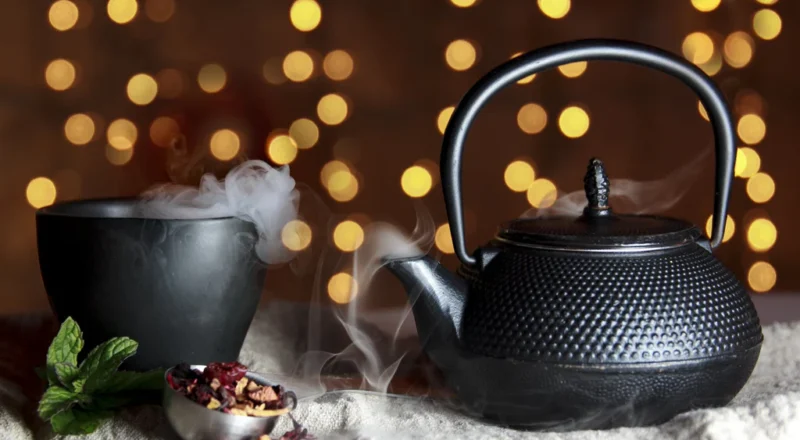
The art of sand casting iron cookware has been practiced for centuries, producing durable and timeless pieces that remain popular in kitchens around the world. This traditional foundry method relies on skilled craftsmanship and natural materials to create pots, pans, kettles, and other cooking vessels that are both functional and beautiful. In this article, we’ll explore how sand casting works, why it’s valued by cooks and collectors, and what sets these pieces apart from mass-produced alternatives.
For those interested in the cultural and historical context of cast iron, you may enjoy learning about metal casting history and how these ancient techniques have shaped our modern cookware. Understanding these roots helps us appreciate the enduring appeal of cast iron made by hand.
The Basics of Sand Casting for Iron Cookware
Sand casting is a foundry process that involves forming a mold from compacted sand, pouring molten iron into the cavity, and allowing it to cool and solidify. This method is especially suited to making cookware because it allows for intricate shapes, thick walls, and a slightly textured surface that helps seasoning adhere.
The process begins with a pattern, usually made of wood or metal, that matches the shape of the desired cookware. This pattern is pressed into a special sand mixture to create a negative impression. The sand is mixed with clay and water to help it hold its shape under the intense heat of the molten iron.
Once the mold is ready, foundry workers melt iron in a furnace, reaching temperatures above 2,700°F (1,480°C). The molten metal is carefully poured into the sand mold, filling every detail. After cooling, the sand is broken away, revealing the rough casting. The piece is then cleaned, ground, and sometimes polished or seasoned before it’s ready for use.
Why Choose Sand Cast Iron for Your Kitchen?
There are several reasons why cooks and collectors seek out sand casting iron cookware:
- Durability: These pieces are known for their strength and longevity, often lasting for generations with proper care.
- Even Heating: The thick walls and base distribute heat evenly, making them ideal for slow cooking, frying, and baking.
- Natural Nonstick Surface: The slightly rough texture from the sand mold helps oil seasoning bond to the surface, creating a natural nonstick layer over time.
- Unique Character: Each piece has subtle variations and marks from the casting process, making every item one of a kind.
Many traditional dishes, especially those rooted in cultural kettle cooking traditions, rely on the heat retention and flavor development that only cast iron can provide. Whether you’re simmering a stew or baking bread, sand-cast iron offers a reliable and authentic cooking experience.
Step-by-Step: How Traditional Sand Casting Works
Understanding the detailed process behind sand casting iron cookware reveals the skill and care involved in each piece:
- Pattern Creation: A precise pattern is made to shape the mold. This can be reused for multiple castings.
- Mold Preparation: The pattern is pressed into sand mixed with clay, forming a cavity that matches the cookware’s shape.
- Assembly: The mold is assembled, including channels for pouring and venting the molten iron.
- Pouring: Molten iron is poured into the mold, filling every detail.
- Cooling: The iron is left to cool and solidify, which can take several hours depending on the size of the piece.
- Finishing: The sand mold is broken away, and the cookware is cleaned, ground, and sometimes seasoned or coated.
This hands-on process results in cookware with a distinct look and feel, often featuring small casting marks or subtle texturing that are prized by enthusiasts.
Comparing Sand Cast Iron to Other Methods
While sand casting is the most traditional approach, other methods like investment casting or die casting are sometimes used for cookware. However, these alternatives often produce a smoother surface and thinner walls, which can affect heat retention and durability.
Sand-cast iron is generally heavier and more robust, with a rustic appearance that appeals to those who value authenticity. The process also allows for more customization, such as unique shapes or decorative details that aren’t possible with mass production techniques.
For a deeper dive into the evolution of casting techniques, the article on metal casting history provides valuable insights into how these processes have changed over time.
Care and Maintenance of Sand Cast Iron
Proper care is essential to keep your sand-cast iron cookware performing at its best. Here are a few tips:
- Always dry thoroughly after washing to prevent rust.
- Season regularly with oil to maintain the nonstick surface and protect the metal.
- Avoid soaking or using harsh detergents, which can strip seasoning.
- Store in a dry place, and consider using a paper towel between stacked pieces to absorb moisture.
For those new to cast iron, a dedicated care kit can make maintenance easier. Look for products designed specifically for seasoning and restoring iron surfaces.
Sand Casting in Global Culinary Traditions
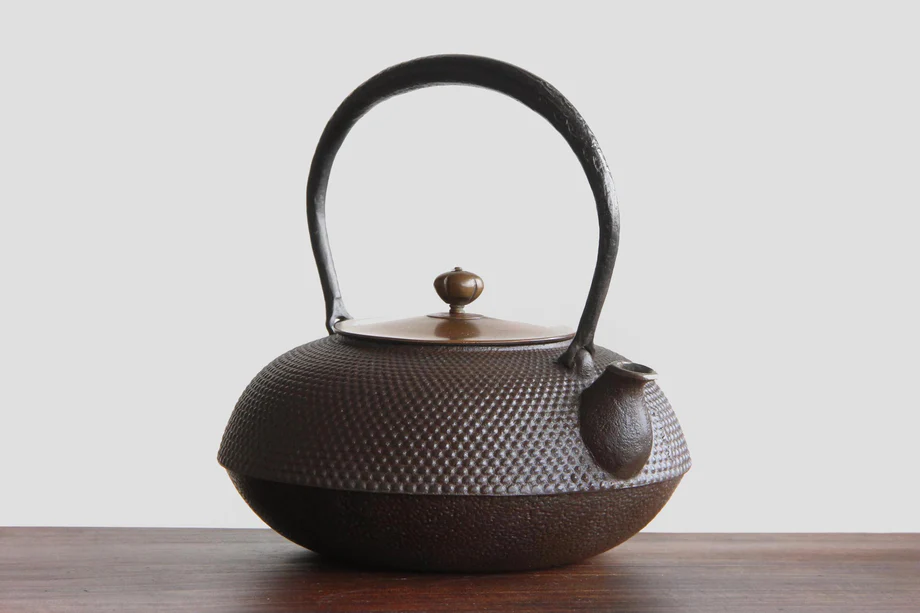
Many cultures have relied on sand-cast iron for their signature dishes. In Japan, for example, the tetsubin kettle is a classic example of this craft. For a comprehensive overview of these vessels, see this guide to iron kettles and teapots.
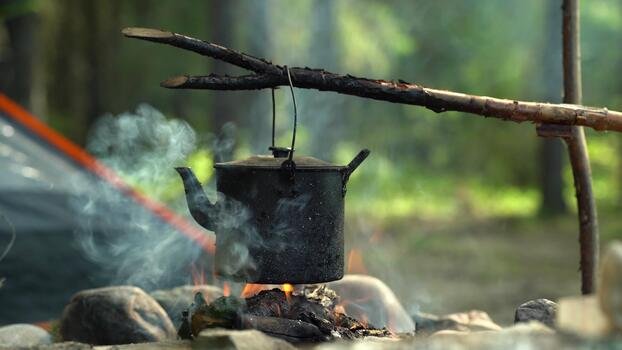
Eastern European stews, Indian curries, and American cornbread all benefit from the heat retention and flavor development provided by traditional cast iron. If you’re interested in outdoor cooking, you might also enjoy reading about outdoor hospitality traditions and how cast iron plays a role in communal meals around the campfire.
Frequently Asked Questions
What makes sand-cast iron cookware different from modern cast iron?
Sand-cast pieces are made using traditional molds, resulting in thicker walls, unique textures, and subtle variations. Modern cast iron is often produced using automated methods that create smoother, more uniform surfaces, but may lack the character and durability of sand-cast items.
How do I season and maintain sand-cast iron cookware?
To season, apply a thin layer of oil and heat the cookware until the oil bonds to the surface. Repeat as needed to build up a protective layer. Always dry thoroughly after washing and avoid harsh detergents. For best results, use a cast iron care kit designed for seasoning and restoration.
Can sand-cast iron be used on all types of stovetops and ovens?
Yes, sand-cast iron is highly versatile. It can be used on gas, electric, induction, and even open fire. Just be mindful of the weight and handle with care to avoid damaging glass stovetops.
Are there health benefits to using traditional cast iron cookware?
Cooking with cast iron can add small amounts of dietary iron to your food, which may be beneficial for some people. It’s also free from synthetic coatings and chemicals found in some nonstick pans.
Conclusion
The enduring appeal of sand casting iron cookware lies in its blend of tradition, craftsmanship, and performance. Whether you’re a home cook, a collector, or simply appreciate well-made tools, these pieces offer a tangible connection to culinary history. With proper care, they can last a lifetime and become cherished heirlooms, enriching your kitchen and your table for years to come.


