
The journey westward across the American frontier was as much about survival as it was about discovery. For families and groups traveling by wagon train, preparing daily meals required a blend of ingenuity, resourcefulness, and adaptability. Wagon train cooking methods were shaped by limited supplies, unpredictable weather, and the constant need to keep moving. These techniques not only fed pioneers but also fostered a sense of community around the campfire.
Understanding how meals were prepared on the go provides insight into the resilience of travelers and the evolution of outdoor cooking. Today, many of these old-fashioned techniques inspire modern enthusiasts who appreciate the simplicity and flavor of food cooked over an open flame. For those interested in historical approaches to communal outdoor meals, exploring communal meal cooking methods can offer even more context and practical ideas.
Essential Tools for Cooking on the Trail
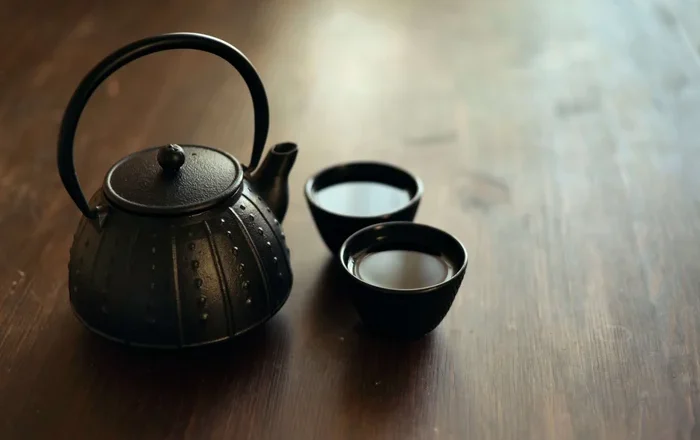
Travelers on wagon trains relied on a small set of durable tools to prepare their meals. The most indispensable item was the cast iron Dutch oven, prized for its versatility and ability to retain heat. Skillets, griddles, and simple kettles rounded out the basic kit. These implements could be used directly over flames, nestled in coals, or suspended from a tripod above the fire.
Cast iron cookware was favored not only for its durability but also for the even cooking it provided. If you’re curious about the benefits and care of these classic tools, this introduction to cast iron cookware offers a helpful overview for beginners.
Other essentials included long-handled spoons, knives, and tin plates. Space was at a premium, so every item had to serve multiple functions. The ability to maintain and season cast iron was also crucial, as well-cared-for pans could last the entire journey and beyond.
Open Fire Techniques: The Heart of Wagon Train Cooking
At the core of wagon train cooking methods was the open campfire. Each evening, after a long day’s travel, the group would circle their wagons and set up a communal fire. Cooking over flames required patience and skill, as controlling temperature was more art than science.
- Direct Grilling: Meats and vegetables were often skewered on sticks or placed on grates over the fire. This method was fast and efficient, making it ideal for quick meals.
- Baking in Dutch Ovens: Dutch ovens were used to bake bread, biscuits, and even pies. Hot coals were placed on top of the lid as well as beneath the pot, creating an oven-like environment.
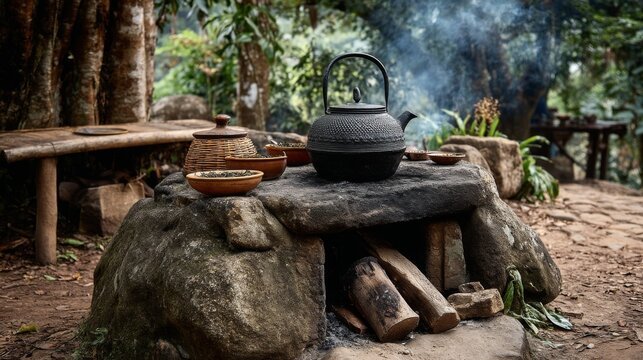
- Simmering and Boiling: Stews, soups, and porridges were common, as they could stretch limited ingredients and feed many. Kettles hung over the fire allowed for slow simmering, which tenderized tough cuts of meat and blended flavors.
- Cooking in Ashes: Some foods, like potatoes or corn, were wrapped in leaves or cloth and buried in hot ashes to cook slowly.
Mastering these approaches meant the difference between a satisfying meal and a disappointing one. The unpredictability of weather and fuel availability added to the challenge, making adaptability a prized skill among cooks.
Meal Planning and Ingredients on the Move
Provisioning for a long journey required careful planning. Space and weight limitations meant that travelers brought only what was necessary. Staples included flour, cornmeal, dried beans, rice, salt pork, bacon, coffee, and dried fruits. Fresh game, fish, and wild plants supplemented these basics when available.
Meals were simple but hearty, designed to provide energy for the demanding days ahead. Common dishes included:
- Johnnycakes and cornbread, cooked on griddles or in Dutch ovens
- Stews made from beans, salted meat, and any fresh vegetables found along the way
- Biscuits and hardtack, which could be stored for long periods
- Fried salt pork or bacon, often served with potatoes or beans
For those interested in the broader context of rustic outdoor meal preparation, the article on rustic event catering equipment explores how similar principles are applied in modern outdoor feasts.
Adapting to Challenges: Weather, Fuel, and Safety
Cooking on the frontier was rarely straightforward. Rain, wind, and scarcity of firewood could complicate even the simplest meal. Travelers learned to use buffalo chips, dried grass, or whatever fuel was available. Windbreaks were fashioned from wagon parts or tarps to protect fires from gusts.
Safety was a constant concern. Open flames near wooden wagons and supplies posed a fire risk, so camps were organized to minimize hazards. Children were taught to keep a safe distance, and water was always kept nearby for emergencies.
Despite these challenges, the daily ritual of preparing and sharing food offered comfort and a sense of normalcy. The communal aspect of campfire cooking fostered cooperation and camaraderie among travelers.

Legacy and Influence of Frontier Cooking
The techniques developed by wagon train cooks have left a lasting mark on outdoor and campfire cooking traditions. Many of the methods—such as Dutch oven baking, grilling over open flames, and simmering stews—remain popular among campers and outdoor chefs today.
For those looking to deepen their understanding of historical food preparation, exploring pioneer cooking techniques and primitive cooking methods reveals the roots of many modern practices. These resources highlight the enduring appeal of simple, hearty meals prepared with minimal equipment and maximum creativity.
Even as technology has transformed the way we cook, the spirit of adaptability and resourcefulness that defined frontier meals continues to inspire. Whether you’re preparing a meal for a group around a campfire or experimenting with traditional recipes at home, these time-tested approaches offer both practical value and a connection to the past.
Frequently Asked Questions
What were the most common foods prepared on wagon trains?
Travelers relied on staples like beans, salt pork, bacon, flour, cornmeal, and dried fruits. Fresh game and foraged plants were added when available. Meals were typically simple, focusing on stews, biscuits, cornbread, and fried meats.
How did cooks manage with limited fuel and unpredictable weather?
Wagon train cooks adapted by using whatever fuel was available, such as buffalo chips or dried grass. They built windbreaks to protect fires and adjusted cooking times and methods as needed. Flexibility and resourcefulness were essential for success.
Why was cast iron cookware so important for frontier cooking?
Cast iron was valued for its durability, even heating, and versatility. Dutch ovens and skillets could be used for baking, frying, boiling, and roasting. With proper care, these tools could last for generations, making them ideal for long journeys.


