
The cast iron manufacturing process is a fascinating blend of tradition, metallurgy, and craftsmanship. From the raw materials to the finished cookware, each step shapes the durability and unique qualities that make cast iron pots, pans, and kettles beloved by chefs and home cooks worldwide. Understanding how these sturdy kitchen essentials are made not only deepens appreciation for their performance but also helps users care for them properly, ensuring a lifetime of reliable use.
In this guide, we’ll walk through each stage of the journey—from selecting the right iron to the final seasoning—explaining how raw materials are transformed into the classic cookware found in kitchens around the globe. Along the way, we’ll highlight the importance of quality control, finishing techniques, and the cultural significance of cast iron in cooking traditions.
Cast iron’s history stretches back centuries, with roots in both Eastern and Western culinary traditions. For example, the eastern european kettle cooking tradition showcases how these vessels have shaped regional cuisines and communal meals. Today, the manufacturing process combines time-honored techniques with modern innovations to produce cookware that stands the test of time.
Raw Materials and Preparation
The journey begins with sourcing the primary ingredient: iron ore. This raw material is mined and then refined to remove impurities. In some cases, recycled scrap iron is also incorporated, making the process more sustainable. The iron is combined with a small amount of carbon, usually between 2% and 4%, which gives cast iron its characteristic hardness and brittleness.
Before melting, the iron and carbon mixture is carefully weighed and inspected. Consistency in composition is crucial, as even small variations can affect the final product’s strength and cooking performance. The prepared materials are then ready for the next stage: melting.
Melting and Casting: The Heart of the Process
At the core of the cast iron manufacturing process is the melting and casting phase. The prepared iron is loaded into a furnace—traditionally a cupola or blast furnace—where it is heated to temperatures exceeding 1,500°C (2,732°F). Once molten, the iron is poured into molds that define the shape of the cookware.
There are two main types of molds used:
- Sand molds: Made from compacted sand, these are used for most traditional cast iron cookware. They allow for intricate designs and are destroyed after each use, making every piece slightly unique.
- Permanent molds: Made from metal, these are used for high-volume production and ensure uniformity across batches.
The molten iron is poured into the molds, filling every detail. As it cools and solidifies, the cookware begins to take shape. After cooling, the mold is broken away (in the case of sand molds), revealing the rough cast piece.

Cleaning, Finishing, and Surface Treatment
Once removed from the mold, the cookware is far from ready for the kitchen. The next steps focus on cleaning and refining the surface. Excess sand and rough edges are removed using shot blasting, grinding, or tumbling. This stage is essential for both safety and aesthetics, ensuring there are no sharp edges or surface imperfections.
After cleaning, some manufacturers polish the interior or exterior for a smoother finish. However, many traditional pieces retain a slightly textured surface, which helps with seasoning and non-stick performance over time.
At this point, handles, lids, or other components may be attached, often using the same casting process or by welding. Each piece is carefully inspected for cracks, warping, or other defects before moving to the next phase.
Seasoning: Creating a Natural Non-Stick Layer
One of the defining features of cast iron cookware is its natural non-stick surface, achieved through a process called seasoning. This involves coating the cookware with a thin layer of oil and heating it to a high temperature. The oil polymerizes, forming a hard, protective layer that resists rust and improves cooking performance.
Some manufacturers pre-season their products before shipping, while others leave this step to the user. Regular seasoning is essential for maintaining the cookware’s non-stick qualities and preventing corrosion. For tips on care and maintenance, consider using a dedicated care kit, which can help extend the life of your cookware.
Quality Control and Final Inspection
Before reaching the consumer, every piece of cookware undergoes rigorous quality control. Inspectors check for uniform thickness, proper seasoning, and any defects that could affect performance or safety. Only cookware that meets strict standards is packaged and shipped to stores or customers.
Quality assurance is particularly important for cookware destined for export or for brands with a reputation for excellence. This attention to detail ensures that each pan, pot, or kettle performs reliably for years to come.
Modern Innovations and Cultural Significance
While the core steps of the cast iron manufacturing process remain rooted in tradition, modern technology has introduced improvements in efficiency and consistency. Computer-aided design, precise temperature controls, and advanced molding techniques have made it possible to produce cookware with greater uniformity and fewer defects.
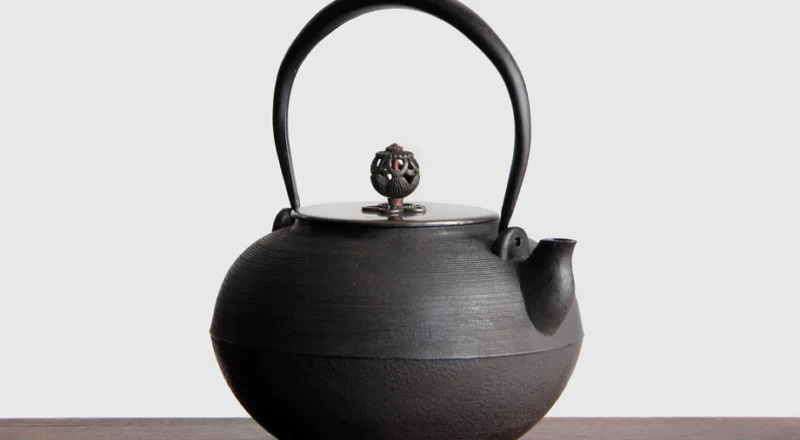
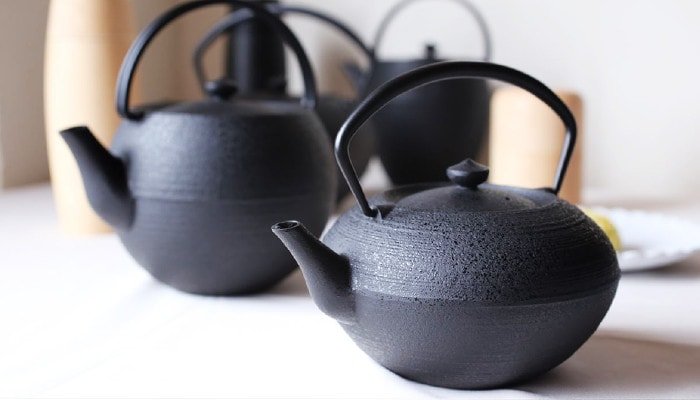
Despite these advances, cast iron remains deeply connected to culinary heritage. In Japan, for example, cast iron teapots (tetsubin) are prized for their craftsmanship and role in tea ceremonies. In Eastern Europe, large kettles are central to communal stews and gatherings, as explored in articles on cultural kettle cooking traditions.
For those interested in the broader history of metalwork, the history of metal casting provides valuable context on how these techniques evolved and influenced cookware design across cultures.
Care and Longevity of Cast Iron Cookware
Proper care is essential for maintaining the performance and appearance of cast iron. Regular seasoning, gentle cleaning (avoiding harsh detergents), and thorough drying after each use help prevent rust and preserve the non-stick surface. For more detailed guidance, resources like this comprehensive guide to using and caring for cast iron teapots offer practical tips for both beginners and experienced users.
With the right maintenance, cast iron cookware can last for generations, often improving with age as the seasoning deepens and the surface becomes smoother. Many families pass down these pieces, adding to their sentimental and practical value.
Frequently Asked Questions
What makes cast iron cookware different from other types?
Cast iron is known for its excellent heat retention and even heating, making it ideal for searing, frying, and slow-cooked dishes. Unlike stainless steel or aluminum, cast iron develops a natural non-stick surface through seasoning and can last for decades with proper care.
Is the manufacturing process environmentally friendly?
Many manufacturers use recycled iron and have implemented energy-efficient practices to reduce environmental impact. However, the process still requires significant energy for melting and casting. Choosing high-quality cookware that lasts a lifetime is one way to minimize waste.
How can I tell if my cast iron cookware was made using traditional methods?
Traditional pieces often have a slightly rougher texture and may show small variations from piece to piece. Modern mass-produced cookware is typically more uniform. Some brands highlight their use of sand casting or hand-finishing as a mark of authenticity.
Conclusion
The journey from raw iron to finished cookware is a testament to both human ingenuity and the enduring appeal of cast iron. By understanding each step of the cast iron manufacturing process, users can better appreciate the craftsmanship behind their favorite pans and kettles. Whether you’re exploring historic food serving methods or simply enjoying a home-cooked meal, cast iron remains a reliable companion in kitchens around the world.


