
Bringing history to life around the campfire is a rewarding pursuit for many enthusiasts, whether at living history events, historical fairs, or private gatherings. The right reenactment cooking gear not only enhances the authenticity of your setup but also allows you to experience traditional methods of preparing meals over an open flame. Choosing period-appropriate cookware, utensils, and accessories ensures that your campfire cooking is as close as possible to what people used centuries ago.
Understanding the evolution of cookware and the materials used in different eras can help you select the most suitable tools for your reenactment. For those interested in the broader context of how pots and kettles have changed over time, exploring the evolution of cooking vessels provides valuable insights into the development of historic campfire equipment.
Understanding Historical Cooking Equipment
Authentic campfire cooking relies on using gear that matches the period you wish to represent. This includes not only the pots and pans themselves but also the tools and accessories that support outdoor meal preparation. The most common materials found in historical settings are cast iron, wrought iron, copper, and occasionally tin or clay. Each material offers unique benefits and challenges when used over an open fire.
For example, cast iron is prized for its durability and heat retention, making it ideal for slow-cooked stews and hearty meals. Wrought iron, on the other hand, is often used for tripods, grills, and fire tools due to its malleability and strength. Copper cookware, while less common in some reenactment periods, is valued for its excellent heat conduction and is often lined with tin for food safety.
Essential Reenactment Cooking Gear for Campfires
To create an immersive historical cooking experience, consider assembling a basic kit of period-appropriate equipment. Here are some key items commonly used in reenactment settings:
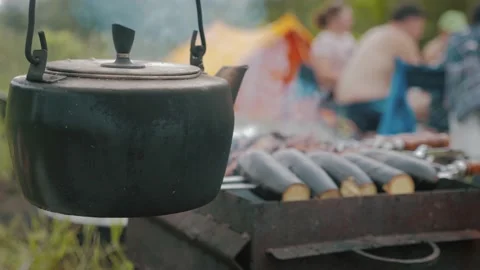
- Kettles and Cauldrons: These are central to many traditional campfire meals. Choose cast iron or copper models with sturdy handles for hanging over the fire.
- Tripods and Cooking Cranes: Used to suspend pots and kettles above the flames, allowing for adjustable heat control.
- Griddles and Spits: Flat iron griddles are perfect for baking bread or frying, while spits are used for roasting meats.
- Skillets and Dutch Ovens: Cast iron skillets and lidded ovens are versatile for frying, baking, and simmering.
- Utensils: Long-handled spoons, forks, ladles, and tongs made from iron or wood help keep hands safe from the heat.
- Fire Tools: Tongs, pokers, and shovels are essential for managing the fire and coals.
When selecting your gear, research the specific time period and region you wish to portray. For example, those interested in eastern european kettle cooking will find that bogrács (hanging kettles) and large communal pots are central to the tradition.
Choosing the Right Materials for Historical Accuracy
Material selection is crucial for both safety and authenticity. Cast iron is widely accepted across many periods and is known for its ruggedness and ability to withstand direct flame. However, it requires regular seasoning and care to prevent rust. Wrought iron is lighter and often used for utensils and hanging implements. Copper, while beautiful and effective, is generally reserved for wealthier or urban settings in historical reenactment.
When using enamel-coated cast iron, be aware that this is a more modern innovation and may not be suitable for all periods. For those interested in the practical aspects of cooking with such materials, this comprehensive guide to cooking with enamelled cast iron cookware offers useful tips and care instructions.
Setting Up a Period-Appropriate Campfire Kitchen
Arranging your campsite to reflect historical practices adds to the immersive experience. Start by selecting a safe, open area for your fire. Use stones or a metal fire ring to contain the flames, and set up your tripod or cooking crane securely over the center. Place your reenactment cooking gear within easy reach, and organize utensils and ingredients on a wooden table or cloth to maintain the period look.
Consider the following setup tips:
- Hang kettles and pots at varying heights to control cooking temperatures.
- Keep a bucket of water or sand nearby for fire safety.
- Use wooden or leather-handled tools to avoid burns.
- Arrange seating and serving areas to encourage communal dining, reflecting historical customs.
Care and Maintenance of Traditional Cooking Tools
Proper care extends the life of your historical cookware and keeps it safe for food preparation. Cast iron, in particular, benefits from regular seasoning with oil to prevent rust and maintain a non-stick surface. After each use, clean your pots and pans with hot water (avoid soap when possible), dry thoroughly, and apply a thin layer of oil.
Wooden utensils should be washed by hand and occasionally treated with food-safe oil to prevent cracking. Copper and tin items may require specialized cleaning to keep them looking their best. Always store your gear in a dry place to avoid corrosion.
For those interested in the broader story of how these materials and techniques developed, the article on metal casting history provides a fascinating look at the origins of iron and copper cookware.
Cooking Techniques and Recipes for Living History Events
Once your campfire kitchen is set up, experiment with recipes that reflect the era you are portraying. Stews, porridges, roasted meats, and flatbreads are all staples of historic outdoor cooking. Use your reenactment cooking gear to try out:
- Simmering soups and stews in a hanging kettle
- Baking bread on a griddle or in a Dutch oven
- Roasting root vegetables in the coals
- Grilling fish or meat on a spit
For inspiration, explore different cultural traditions, such as those highlighted in cultural kettle cooking traditions, which showcase the diversity of historic campfire meals around the world.
Frequently Asked Questions
What is the most important piece of gear for historical campfire cooking?
The most essential item is a sturdy cast iron kettle or Dutch oven. These versatile vessels allow you to prepare a wide range of traditional dishes and are suitable for most periods and regions.
How do I maintain cast iron cookware for reenactment events?
After each use, clean your cast iron with hot water, dry it thoroughly, and apply a thin layer of oil to prevent rust. Avoid using soap or harsh detergents, and store your cookware in a dry place. For added protection, consider using a care kit designed for seasoning and restoring cast iron.
Can I use modern enamel-coated cookware for historical reenactment?
Enamel-coated cast iron is a relatively modern innovation and may not be appropriate for all periods. If strict authenticity is required, stick to plain cast iron, wrought iron, or copper cookware. However, for less formal events, enamel-coated pieces can offer convenience and easy cleaning.
Conclusion
Recreating the experience of historic campfire cooking is both educational and enjoyable. By choosing the right reenactment cooking gear and learning about traditional techniques, you can bring the flavors and atmosphere of the past to life. Whether you are new to living history or a seasoned reenactor, investing in authentic equipment and understanding its care will enrich your campfire gatherings for years to come.


