
Mastering fire management for long cooks is essential for anyone who enjoys preparing meals over open flames, whether it’s a traditional stew, a slow-simmered broth, or a classic campfire kettle dish. Achieving a steady, controlled heat over several hours can be challenging, but with the right techniques and tools, you can ensure your food cooks evenly and develops rich, complex flavors. This article explores practical strategies for maintaining consistent heat, selecting the best fuel, and troubleshooting common issues during extended cooking sessions.
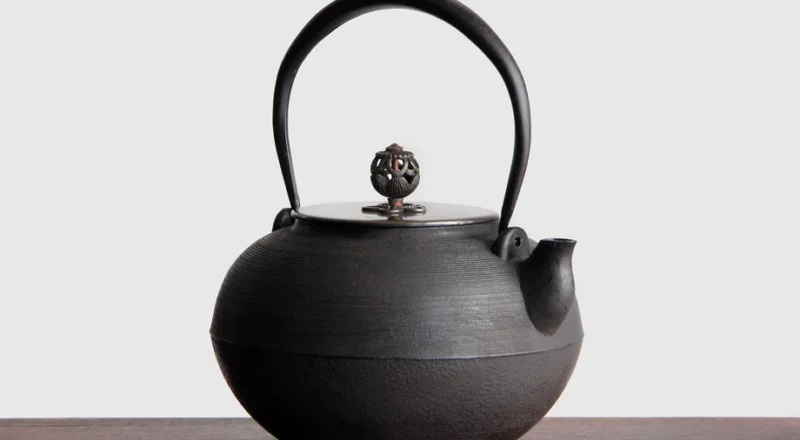
Long-duration cooking over fire is a time-honored tradition in many cultures. From eastern european kettle cooking to Japanese iron kettle rituals, the ability to keep a fire burning at the right temperature is a skill worth developing. Understanding the science and art behind fire control will help you create memorable meals and avoid the pitfalls of fluctuating temperatures.
Understanding the Basics of Heat Control
Before diving into specific methods, it’s important to grasp the fundamentals of how fire produces heat and how that heat interacts with your cooking vessel. The three main factors influencing temperature during long cooks are:
- Fuel type and quality: Hardwoods, charcoal, and softwoods all burn differently, affecting how much heat is produced and for how long.
- Airflow: Oxygen feeds the fire. Adjusting airflow can increase or decrease the burn rate and, consequently, the temperature.
- Fire structure: The way you arrange your fuel—such as in a log cabin, teepee, or charcoal snake—impacts how evenly and steadily the fire burns.
Maintaining steady heat is about balancing these elements. Too much fuel or oxygen can cause temperature spikes, while too little can lead to a dying fire and undercooked food.
Choosing the Right Fuel for Extended Cooking
One of the most important decisions in fire management for long cooks is selecting the appropriate fuel. Each option has its strengths and drawbacks:
- Hardwoods (oak, hickory, maple): Burn hot and slow, making them ideal for extended sessions. They produce consistent coals and impart a pleasant flavor to food.
- Charcoal: Offers predictable, steady heat and is easy to manage. Lump charcoal burns hotter and faster, while briquettes provide a longer, more even burn.
- Softwoods (pine, spruce): Ignite quickly but burn out fast and can create excessive smoke or resin flavors. Best used for kindling rather than sustained cooking.
For most long-duration cooks, a combination of hardwood and charcoal provides the best results. Start with hardwood to establish a bed of coals, then add charcoal as needed to maintain the desired temperature.

Building and Maintaining a Consistent Fire
To achieve reliable heat for hours, the structure and maintenance of your fire are crucial. Here are some proven techniques:
The Charcoal Snake Method
This approach is popular for barbecue and kettle cooking. Arrange charcoal briquettes in a long, curved line (the “snake”) around the edge of your fire pit or grill. Light one end; the fire will slowly burn along the line, providing even heat for several hours without constant refueling.
Log Cabin and Teepee Arrangements
For wood fires, stacking logs in a log cabin or teepee shape helps air circulate and ensures a steady burn. As the outer logs catch, they replenish the coal bed, supporting continuous heat output.
Adding Fuel Gradually
Instead of dumping large amounts of wood or charcoal at once, add small amounts regularly. This prevents temperature spikes and keeps the fire manageable. Monitor the fire closely and adjust as needed to maintain a steady temperature.
Managing Airflow and Temperature
Controlling airflow is a key part of fire management for long cooks. Most fire pits, grills, and kettles have adjustable vents or dampers. Here’s how to use them effectively:
- Open vents wide to increase oxygen and raise the temperature.
- Partially close vents to slow the burn and lower the heat.
- Monitor smoke color—thin blue smoke indicates efficient combustion, while thick white smoke suggests incomplete burning and potential flavor issues.
Use a thermometer to track the temperature inside your cooking vessel or grill. Aim for a consistent range suitable for your recipe—typically between 225°F and 300°F for slow-cooked dishes.
Tools and Accessories for Better Fire Control
Certain tools can make managing your fire much easier, especially during long cooks:
- Long-handled tongs and fire pokers: For safely moving logs or coals.
- Heat-resistant gloves: Essential for handling hot equipment.
- Chimney starters: Useful for lighting charcoal quickly and evenly.
- Thermometers: Both instant-read and probe models help you monitor food and fire temperatures.
- Fireproof mats or trays: Protect surfaces and catch stray embers.
Investing in quality accessories not only improves safety but also gives you more precise control over your cooking environment.
Common Challenges and Troubleshooting
Even experienced cooks encounter issues during extended fire sessions. Here’s how to address some typical problems:
- Temperature drops: Add small amounts of fuel and open vents to boost heat. Avoid overcompensating, which can cause spikes.
- Uneven cooking: Rotate your kettle or pot periodically, and stir contents to distribute heat.
- Excessive smoke: Use well-seasoned wood and ensure proper airflow. Wet or resinous wood can produce bitter flavors.
- Fire goes out: Keep a close eye on fuel levels, especially during windy or damp conditions. Prepare extra kindling and charcoal just in case.
Patience and attentiveness are key. With practice, you’ll develop a sense for when to adjust fuel and airflow for optimal results.
Care and Maintenance of Cast Iron and Kettles
Long cooks can be tough on your cookware, especially cast iron kettles and pots. To keep them in top condition:
- Clean thoroughly after each use, removing food residue and ash.
- Dry completely to prevent rust.
- Season regularly with a thin layer of oil to maintain a protective coating.
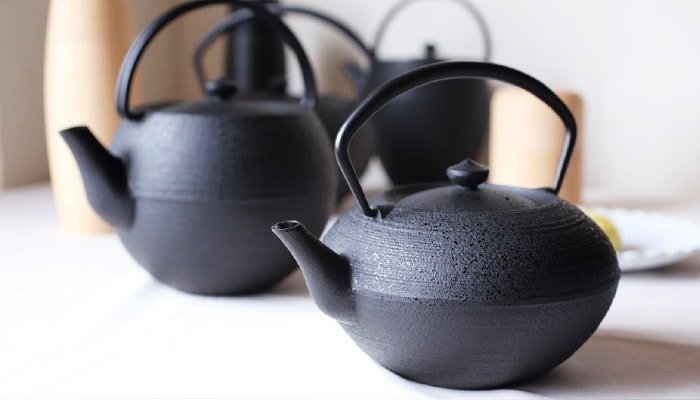
For a detailed look at traditional iron kettles and their care, see this guide to iron kettles and teapots. Proper maintenance not only extends the life of your cookware but also enhances the flavor of your dishes over time.
Frequently Asked Questions
How do I keep a fire burning steadily for several hours?
Start with a solid bed of coals, use hardwood or charcoal for fuel, and add small amounts regularly. Adjust airflow to control the burn rate, and monitor temperatures with a thermometer for best results.
What’s the best way to avoid temperature spikes during a long cook?
Add fuel gradually rather than all at once, and use a fire structure like the charcoal snake or log cabin. Keep vents partially open and avoid sudden changes in airflow or fuel quantity.
Can I use softwood for extended cooking sessions?
Softwoods burn quickly and can produce resinous smoke, which may affect flavor. They’re best reserved for kindling. For long cooks, stick to hardwoods or charcoal for consistent, clean-burning heat.
By applying these techniques and tips, you’ll gain confidence in managing your fire for any long-duration cooking project. Whether you’re preparing a rustic stew, experimenting with historic cooking vessels, or simply enjoying a meal outdoors, steady heat control is the foundation of delicious results.


