
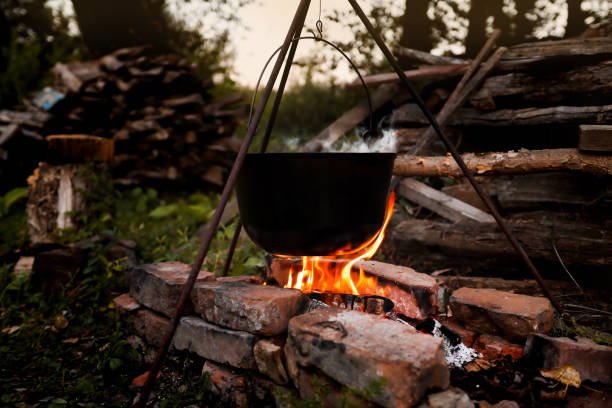
Cooking over an open flame with a cauldron is a timeless tradition found in cultures around the world. Whether preparing a rustic stew at a campsite or recreating historic recipes in your backyard, the right support for your pot is essential for both safety and cooking performance. Understanding the different cauldron stand types helps you select the best option for your needs, ensuring stability, heat control, and an authentic experience.
From classic tripods to modern adjustable frames, each style of stand offers unique advantages. The choice depends on your cooking environment, the size and shape of your cauldron, and the type of fire you plan to use. In this guide, we’ll explore the most popular supports, their features, and practical tips for choosing and maintaining them.
For those interested in the cultural roots of open-fire kettle cooking, eastern european kettle cooking offers fascinating insights into traditional methods and regional variations. Exploring these traditions can help you appreciate the importance of choosing the right stand for your pot.
Understanding the Main Cauldron Stand Designs
There are several common cauldron stand types, each suited to different settings and cooking styles. Let’s break down the most popular options:
Tripod Stands: Classic and Versatile
The tripod is perhaps the most iconic support for hanging a cauldron over a fire. Consisting of three sturdy legs connected at the top, this design provides excellent stability even on uneven ground. A chain or hook suspends the pot, allowing you to adjust its height above the flames for precise temperature control.
- Advantages: Stable, portable, and easy to set up. Works well for outdoor cooking and camping.
- Considerations: Requires enough vertical space for the tripod and pot. The chain or hook must be strong enough to support the cauldron’s weight.
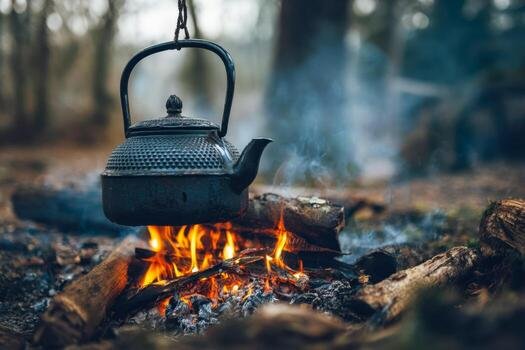
Ring and Grate Supports: Simple and Effective
Ring stands are circular metal frames that sit directly over the fire, supporting the cauldron from below. Some designs include a grate for added stability or to hold smaller pots. These stands are ideal for flat-bottomed cauldrons and are commonly used in backyard fire pits or outdoor kitchens.
- Advantages: Easy to use, no need for chains or hooks. Keeps the pot close to the heat source for efficient cooking.
- Considerations: Less suitable for rounded-bottom cauldrons. The stand must be level to prevent tipping.
Adjustable Frame Stands: Modern Flexibility
Adjustable frames offer a contemporary take on traditional supports. These stands often feature telescoping legs or movable arms, allowing you to change the height and position of your cauldron with ease. They are popular among serious outdoor cooks who want maximum control over their setup.
- Advantages: Highly adaptable, suitable for various pot sizes and fire types. Often collapsible for easy transport.
- Considerations: More complex to assemble. May require a flat surface for optimal stability.
Choosing the Best Support for Your Cooking Needs
Selecting the right stand depends on several factors, including your cooking environment, the type of cauldron you own, and your preferred recipes. Here are some tips to help you decide:
- Assess Your Cooking Location: For camping or uneven ground, a tripod is usually the safest bet. In a backyard or garden, ring stands or adjustable frames may offer more convenience.
- Match the Stand to Your Cauldron: Hanging pots work best with tripods, while flat-bottomed cauldrons are ideal for ring or grate supports.
- Consider Portability: If you need to transport your setup, look for lightweight, collapsible stands that are easy to pack and carry.
- Think About Heat Control: Adjustable stands or tripods with chains allow you to fine-tune the cooking temperature by raising or lowering the pot.
Materials and Durability: What to Look For
Most cauldron stand types are made from steel or cast iron, chosen for their strength and heat resistance. When evaluating a stand, check for:
- Weld Quality: Smooth, even welds indicate good craftsmanship and durability.
- Protective Coatings: Some stands are powder-coated or painted to prevent rust. If using your stand outdoors, this feature can extend its lifespan.
- Weight Capacity: Ensure the stand can safely support your cauldron when full, especially if cooking large batches.
For more on the evolution of cookware and the materials used through history, see the article on evolution of cooking vessels.
Maintaining Your Cauldron Stand
Proper maintenance keeps your stand safe and functional for years to come. Here’s how to care for your support:
- Clean After Use: Remove ash, soot, and food residue after each cooking session.
- Inspect for Damage: Check for cracks, rust, or loose joints before each use.
- Store in a Dry Place: Keep your stand out of the elements when not in use to prevent corrosion.
- Season If Needed: Some cast iron stands benefit from occasional seasoning, similar to cast iron cookware. For more on this process, consider using a dedicated care kit.
Safety Tips for Cooking with Cauldron Stands
Open-fire cooking is rewarding but requires attention to safety. Follow these guidelines for a secure experience:
- Set Up on Stable Ground: Always place your stand on a level, non-flammable surface.
- Keep a Safe Perimeter: Maintain a clear area around your fire and stand to prevent accidents.
- Use Heat-Resistant Gloves: Handles and chains can become extremely hot during cooking.
- Never Leave Unattended: Stay close to your fire and cauldron at all times.
Exploring Cultural and Historical Contexts
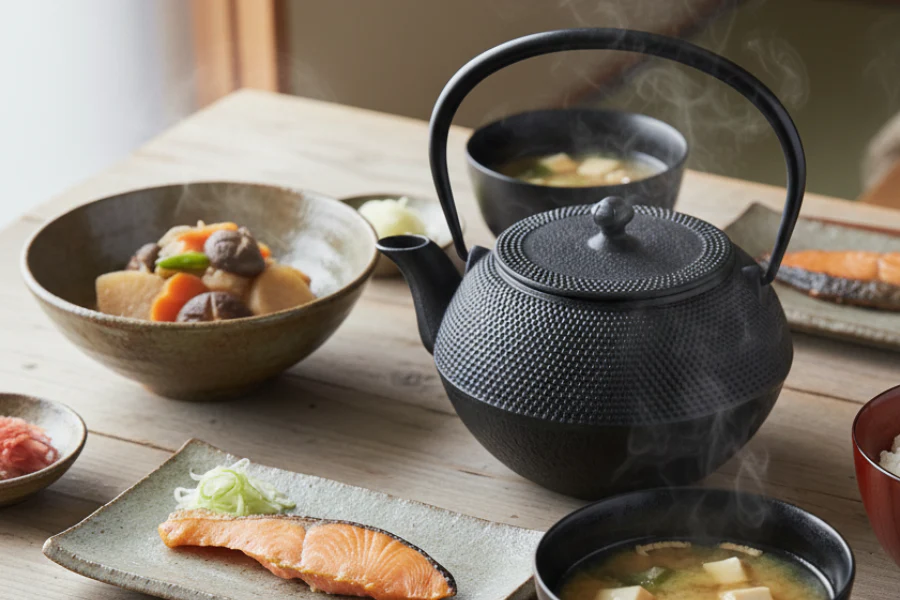
The use of cauldrons and their supports dates back centuries, with each region developing its own distinctive styles. For example, traditional bogrács cooking in Hungary relies on hanging pots over wood fires, while Japanese iron kettles are often used with specialized hearth stands. To learn more about the history and cultural significance of these vessels, check out the metal casting history of cookware and this guide to iron kettles and teapots.
Frequently Asked Questions
What is the safest stand for cooking with a cauldron outdoors?
A tripod stand is generally considered the safest option for outdoor use. Its three-legged design provides stability on uneven ground and allows you to adjust the height of your pot over the fire.
Can I use a ring stand with any type of cauldron?
Ring stands work best with flat-bottomed cauldrons. If your pot has a rounded base, it may not sit securely on a ring support, increasing the risk of tipping. Always match your stand to your cauldron’s shape for safety.
How do I prevent rust on my cauldron stand?
To prevent rust, clean your stand after each use and store it in a dry place. If your stand is made of cast iron, occasional seasoning with a care kit can help protect the metal from moisture and corrosion.
Are adjustable frame stands suitable for heavy cauldrons?
Many adjustable frame stands are designed to handle significant weight, but always check the manufacturer’s specifications. Ensure the stand is set up on a stable surface and never exceed the recommended weight limit.
Conclusion
Choosing the right support for your pot is crucial for safe and enjoyable open-fire cooking. By understanding the different cauldron stand types and their advantages, you can select a stand that matches your needs, enhances your cooking experience, and honors culinary traditions. With proper care and attention to safety, your cauldron setup will serve you well for years to come.


