
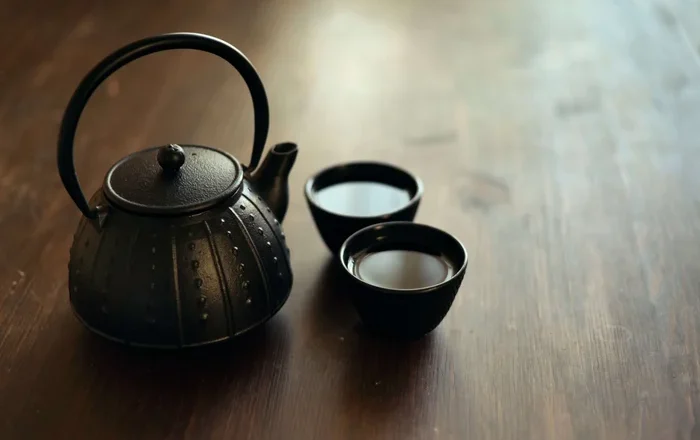
Long before the advent of modern kitchens, people relied on primitive cooking methods to prepare nourishing meals. These age-old techniques, rooted in simplicity and resourcefulness, continue to inspire outdoor enthusiasts, survivalists, and anyone seeking to reconnect with the fundamentals of food preparation. Cooking over an open flame is not just about sustenance; it’s about embracing tradition, understanding fire, and developing a hands-on relationship with ingredients and heat.
Whether you’re planning a rustic outdoor feast, experimenting with fire pits in your backyard, or simply curious about the roots of culinary practice, learning these foundational approaches can transform your perspective on food. For those interested in communal experiences, exploring communal meal cooking methods can further enrich your understanding of how meals bring people together around the fire.
Why Explore Ancient Cooking Techniques?
Rediscovering primitive cooking methods offers more than just a meal—it’s a way to build skills, foster connection, and appreciate the origins of culinary culture. These techniques teach patience, adaptability, and respect for the elements. They also provide a sense of accomplishment, as you learn to harness fire, manage heat, and transform simple ingredients into satisfying dishes without the reliance on electricity or gas.
Many people turn to these methods for outdoor adventures, survival training, or simply to enjoy the unique flavors that only wood smoke and open flames can impart. The process is as rewarding as the results, making every meal an experience in itself.
Essential Tools for Open Fire Cooking
Before diving into the various approaches, it’s important to gather the right equipment. While primitive cooking can be done with minimal gear, a few key items can make the process safer and more efficient:
- Cast iron cookware: Durable and excellent at retaining heat, cast iron pots, pans, and kettles are staples for fire-based cooking.
- Long-handled utensils: These help you manage food safely over hot coals or flames.
- Fireproof gloves: Protect your hands when handling hot cookware or adjusting logs.
- Tripods, grills, or spits: Useful for suspending pots or roasting food over the fire.
If you’re interested in selecting the best kettle for your outdoor setup, this guide to choosing a cast iron kettle offers practical advice.
Popular Primitive Cooking Methods to Try
There are several time-tested ways to prepare food over an open flame. Each method has its own advantages and unique results, depending on the ingredients and the desired outcome.
Direct Flame Grilling
This straightforward approach involves placing food directly over the fire, either on a grill grate or skewered on sticks. It’s ideal for meats, fish, and vegetables that benefit from a smoky, charred flavor. Managing the distance between food and flame is crucial to avoid burning while ensuring thorough cooking.
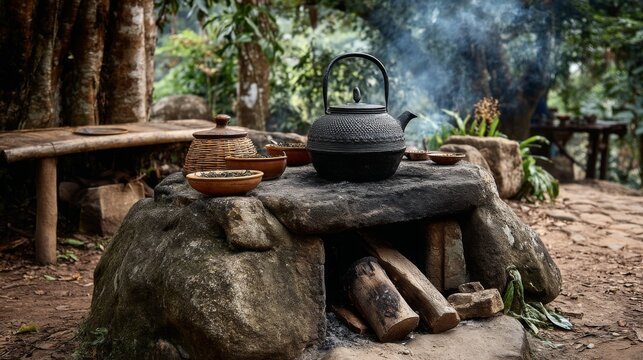
Cooking with Hot Coals and Ash
Burying food in hot embers or ash is a classic technique for slow, even cooking. Root vegetables, wrapped meats, and even bread can be cooked this way, absorbing subtle smoky flavors. The key is to monitor the heat and turn items as needed to prevent scorching.
Stone Boiling and Rock Ovens
In areas where metal pots were unavailable, people heated stones in the fire and transferred them to containers of water or pits lined with leaves. The hot stones would bring the water to a boil or bake food in an earth oven. This method is excellent for stews, soups, and slow-cooked dishes.
Spit Roasting and Hanging Pots
Suspending food over the fire, either on a spit or in a hanging pot, allows for controlled, indirect heat. This is perfect for roasting whole birds, large cuts of meat, or simmering broths. For inspiration on hearty outdoor soups, check out ideas for broth making over fire pits.
Mastering Fire Management
Success with traditional fire-based cooking depends on understanding and controlling your heat source. Here are some practical tips:
- Start with dry, seasoned wood for a clean-burning fire.
- Allow the fire to burn down to coals for more consistent, manageable heat.
- Use rocks or logs to create zones of varying temperature for different cooking needs.
- Always keep water or sand nearby for safety.
Patience is essential—rushing the process can result in unevenly cooked or burnt food. Take time to observe how the fire behaves and adjust your setup as needed.

Tips for Safe and Successful Outdoor Cooking
While experimenting with primitive cooking methods, safety and preparation are paramount. Here’s how to ensure a positive experience:
- Choose a safe, open area away from flammable materials.
- Check local regulations regarding open fires and fire bans.
- Have a plan for extinguishing the fire completely after use.
- Clean and maintain your cookware to prolong its life and prevent food contamination.
For those interested in hosting larger gatherings or events, investing in rustic event catering equipment can elevate your outdoor cooking setup and provide a more authentic experience.
Preserving and Caring for Cast Iron
Cast iron is a favorite for open fire cooking due to its durability and heat retention. However, it requires proper care to prevent rust and maintain its non-stick surface. After each use, clean your cookware with hot water and a brush (avoid soap if possible), dry thoroughly, and apply a thin layer of oil. For restoration or deep cleaning, consider using a specialized care kit. Regular maintenance ensures your gear will last for generations.
Frequently Asked Questions
What foods are best suited for open fire cooking?
Foods with natural fats and moisture, such as meats, fish, root vegetables, and hearty greens, perform well over open flames. Breads and stews also adapt nicely to these methods, especially when using cast iron or stone boiling techniques.
How do I control the temperature when cooking with fire?
Managing temperature is all about fire placement and timing. Letting wood burn down to glowing coals provides steady, even heat. Move food closer or further from the heat source as needed, and use rocks or logs to create different temperature zones.
Is it safe to use modern cookware over an open flame?
Not all modern cookware is designed for direct fire. Stick to cast iron, stainless steel, or cookware specifically rated for open flame use. Avoid nonstick pans and anything with plastic handles or coatings that could melt or release toxins.
Conclusion
Embracing primitive cooking methods is a rewarding journey into the roots of culinary tradition. By learning to manage fire, selecting the right tools, and practicing time-honored techniques, you can create flavorful meals and lasting memories. Whether you’re cooking for yourself or a group, these approaches foster a deeper appreciation for food and the natural world. For those interested in historic gear, exploring medieval feast cookware can add even more authenticity to your outdoor culinary adventures.


