
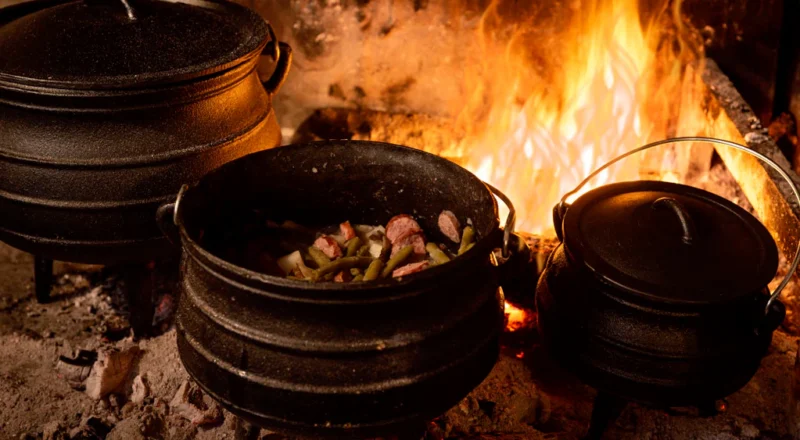
A well-seasoned cast iron kettle is the foundation of flavorful outdoor cooking and reliable performance. Over time, even the most cherished cookware can lose its protective layer, leading to rust, dullness, or food sticking. Restoring and maintaining the finish is essential for both longevity and optimal cooking results. This cast iron kettle seasoning guide provides step-by-step instructions, practical tips, and expert advice to help you bring back that perfect, glossy surface—whether you’re reviving a family heirloom or caring for a new purchase.
Seasoning isn’t just about looks; it’s a natural, food-safe barrier that prevents rust and enhances nonstick qualities. By understanding the right techniques and products, you can ensure your kettle remains a reliable companion for everything from broth making over fire pits to hearty stews and communal meals.
Why Seasoning Matters for Cast Iron Kettles
Seasoning is the process of building up a layer of polymerized oil on the surface of your cast iron. This layer acts as a natural, durable nonstick coating and protects the metal from moisture and air, which can cause rust. Without proper seasoning, even high-quality kettles can quickly degrade, affecting both cooking performance and food safety.
Unlike modern nonstick pans, cast iron relies on this organic finish for its legendary durability and cooking versatility. Regular maintenance not only keeps your kettle looking its best but also ensures it’s ready for everything from simmering broths to boiling water for tea in outdoor settings.
Signs Your Kettle Needs Reseasoning
Knowing when to restore your kettle’s finish is key. Here are some common indicators that it’s time for a refresh:
- Rust spots appearing on the surface
- Dull, gray, or uneven color instead of a deep black sheen
- Food sticking more than usual
- Metallic taste in cooked food
If you notice any of these issues, don’t worry—proper seasoning can usually restore your kettle to its former glory.
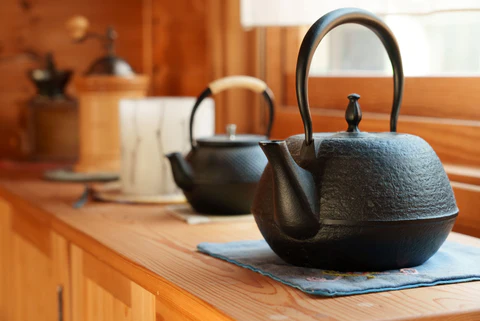
Step-by-Step: Restoring and Seasoning Your Cast Iron Kettle
Follow these steps to bring back the ideal finish on your kettle:
1. Clean Thoroughly
Start by removing any old food residue, rust, or flaking seasoning. Use a stiff brush or non-metal scrubber with warm water. For stubborn rust, a small amount of coarse salt can help scrub the surface. Avoid soap, as it can strip away the seasoning. If your kettle is heavily rusted, consider using a vinegar soak (equal parts water and vinegar, soak for up to an hour, then rinse thoroughly).
2. Dry Completely
Moisture is the enemy of cast iron. After cleaning, dry your kettle thoroughly with a towel, then place it on a low burner or in a warm oven for a few minutes to ensure all water has evaporated.
3. Apply a Thin Layer of Oil
Choose a high-smoke-point oil such as flaxseed, grapeseed, or canola. Rub a small amount over the entire surface, inside and out, using a lint-free cloth or paper towel. Wipe away any excess—only a thin, even layer should remain.
4. Bake to Polymerize the Oil
Place the kettle upside down in a preheated oven at 400–450°F (200–230°C). Put a sheet of foil on the lower rack to catch drips. Bake for 1 hour, then turn off the oven and let the kettle cool inside. This process bonds the oil to the metal, creating a hard, protective layer.
5. Repeat as Needed
For a new or heavily restored kettle, repeat the oiling and baking process 2–3 times for a robust finish. With regular use, the seasoning will continue to improve.

Maintaining the Finish: Daily and Long-Term Care
Once your kettle is seasoned, proper care will keep it in top condition:
- Clean after each use with hot water and a gentle brush. Avoid soaking or using harsh detergents.
- Dry immediately and thoroughly after washing.
- Apply a light coat of oil before storing, especially if you use your kettle infrequently or in humid environments.
- Store with the lid off to prevent moisture buildup inside.
For more on traditional outdoor cooking, see our guide to communal meal cooking methods and discover how these techniques can enhance your outdoor feasts.
Choosing the Right Oils and Tools for Seasoning
The type of oil you use can affect the quality and durability of your kettle’s finish. Flaxseed oil is popular for its ability to create a hard, glassy surface, while canola and grapeseed oils are affordable and widely available. Avoid animal fats for initial seasoning, as they can go rancid if not used frequently.
Specialty care kits, like those available on Amazon, often include everything you need for seasoning and maintenance. For more information on the health and cooking benefits of cast iron, visit this comprehensive resource on cast iron cooking.
Common Mistakes to Avoid
- Using too much oil: Excess oil can leave a sticky residue rather than a hard finish.
- Skipping the drying step: Any remaining moisture can cause rust.
- Not baking long enough: Incomplete polymerization results in a soft, uneven layer.
- Storing with the lid on: This can trap humidity and lead to rust inside the kettle.
By steering clear of these pitfalls, you’ll ensure your kettle remains in peak condition for years to come.
Enhancing Your Outdoor Cooking Experience
A properly seasoned kettle is the heart of many outdoor kitchens, from rustic campsites to backyard fire pits. Pair your restored cookware with the right rustic event catering equipment to create memorable meals and gatherings. Whether you’re hosting a medieval feast or preparing a simple stew, a glossy, well-cared-for kettle makes all the difference.
Frequently Asked Questions
How often should I reseason my cast iron kettle?
Frequency depends on use and storage conditions. If you use your kettle regularly and care for it properly, a full reseasoning may only be needed once or twice a year. However, if you notice rust, dullness, or food sticking, it’s time for a refresh.
Can I use my kettle immediately after seasoning?
Yes, once the kettle has cooled after the final baking step, it’s ready for use. The finish will continue to improve with each cooking session, especially when preparing fatty foods that help build up the seasoning.
What should I do if my kettle develops rust again?
Don’t panic—light rust can be scrubbed away with a brush and coarse salt, followed by thorough drying and a fresh round of seasoning. For severe rust, repeat the cleaning and seasoning process outlined in this guide.
Is it safe to cook acidic foods in a seasoned kettle?
Acidic foods like tomatoes can strip away seasoning if cooked for long periods. It’s best to avoid simmering acidic dishes until your kettle has a well-established, glossy finish. Occasional brief exposure is generally fine, but monitor the surface and reseason if needed.


