
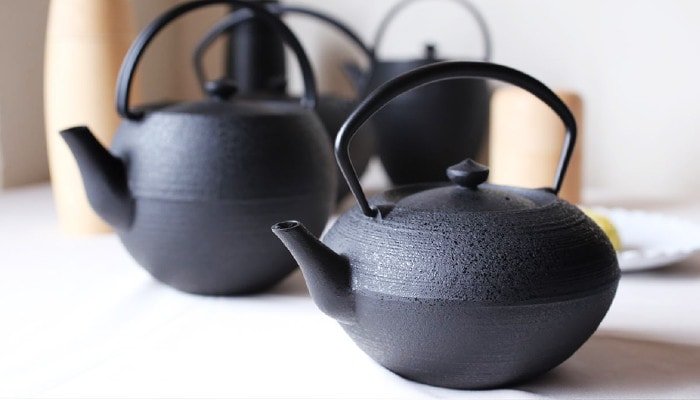
The tradition of preparing meals over an open flame stretches back thousands of years, connecting us to our ancestors and the roots of culinary culture. Campfire cooking heritage is more than just a practical way to prepare food outdoors—it’s a living link to the past, blending ancient techniques with the flavors and rituals that have shaped societies worldwide. Whether you’re a seasoned camper or simply curious about old-world cooking, exploring these time-honored methods offers a window into how food, fire, and community have always gone hand in hand.
From cast iron kettles simmering hearty stews to bread baked in glowing embers, the skills and tools developed for open-fire cooking have stood the test of time. Today, these methods are being rediscovered by outdoor enthusiasts, food historians, and anyone seeking a more authentic connection to their meals. If you’re interested in the global tapestry of open-flame cuisine, you might also enjoy learning about eastern european kettle cooking and how different cultures have adapted their own unique approaches to campfire meals.
The Roots of Open-Flame Cooking Traditions
Cooking over fire is one of humanity’s oldest skills. Early humans learned to harness flames not only for warmth and protection but also to transform raw ingredients into nourishing meals. This foundational practice gave rise to a rich heritage of campfire cooking that spans continents and centuries.
Archaeological evidence shows that as soon as people discovered how to control fire, they began roasting, boiling, and baking with whatever materials were available—stones, clay, and eventually metal. These techniques evolved alongside the development of cooking vessels, which you can explore further in the article on how pots changed through history.
Essential Tools and Materials for Traditional Campfire Meals
The heart of campfire cooking heritage lies in the tools and materials used. While modern camping gear offers convenience, many classic implements remain unchanged for good reason. Here are some of the most enduring essentials:
- Cast Iron Pots and Kettles: Renowned for their durability and heat retention, cast iron vessels are perfect for stews, soups, and even baking. Their ability to withstand direct flames makes them a staple of open-fire cuisine.
- Tripods and Grates: These allow pots to be suspended over the fire or provide a stable surface for grilling. Adjustable heights help control cooking temperatures.
- Wooden Utensils: Wooden spoons and spatulas are gentle on cookware and don’t conduct heat, making them ideal for stirring hot dishes.
- Clay and Stoneware: In some cultures, clay pots and stone slabs are still used for slow-cooked meals and flatbreads, imparting unique flavors and textures.
For those interested in maintaining their cast iron cookware, a Buy Care Kit on Amazon can help preserve these valuable tools for generations.
Classic Methods Passed Down Through Generations
The techniques associated with open-fire cooking heritage are as varied as the cultures that practice them. Some of the most enduring methods include:
- Direct Grilling: Placing food directly over the flames or coals, perfect for meats, fish, and vegetables.
- Ember Baking: Wrapping dough or root vegetables in leaves or foil and burying them in hot embers for slow, even cooking.
- Pot Hanging: Suspending a kettle or pot over the fire using a tripod, ideal for soups, stews, and boiling water for tea.
- Stone Cooking: Using heated stones to cook food placed on or around them, a technique still found in many indigenous traditions.

Regional Variations in Open-Fire Cuisine
Across the world, communities have developed their own signature dishes and rituals around the campfire. In Eastern Europe, for example, kettle-cooked stews like bogrács remain a beloved tradition. You can read more about these in-depth in the article on eastern european kettle cooking.
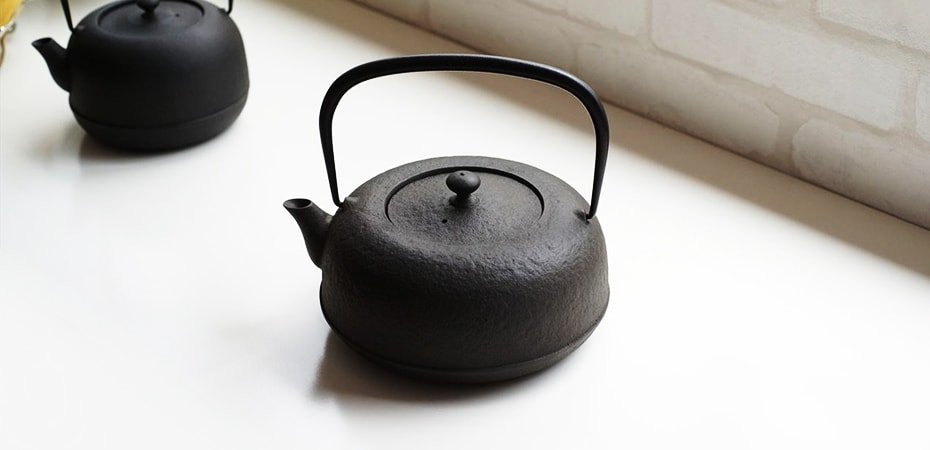
In Japan, cast iron kettles called tetsubin are used to boil water for tea, often over glowing coals. In North America, Dutch ovens are the centerpiece of cowboy and pioneer meals. Each region brings its own flavors, ingredients, and techniques, all united by the elemental act of cooking with fire.
Care and Maintenance of Traditional Cookware
Preserving the tools of campfire cooking heritage ensures they can be enjoyed for years to come. Cast iron, in particular, requires regular seasoning and cleaning to prevent rust and maintain its non-stick surface. For a comprehensive guide on caring for enameled cast iron, refer to this comprehensive guide to cooking with enameled cast iron cookware.
Other traditional materials, such as clay and stone, also benefit from gentle cleaning and careful storage. Avoid harsh detergents and sudden temperature changes, which can damage these natural vessels. With proper care, these tools become more than just cookware—they become family heirlooms, carrying the stories and flavors of generations.
Bringing Timeless Techniques Into Modern Outdoor Cooking
While technology has introduced new ways to prepare food outdoors, the core principles of open-flame cooking heritage remain unchanged. Many outdoor enthusiasts are returning to these methods for their simplicity, flavor, and the sense of connection they provide.
To incorporate these traditions into your own adventures, start with a few basic tools—a sturdy cast iron pot, a reliable tripod, and a willingness to experiment. Try your hand at classic recipes, or adapt your favorites to the campfire. You may also find inspiration in the article on cultural kettle cooking traditions from around the world.
Frequently Asked Questions
What are the benefits of using cast iron for campfire cooking?
Cast iron is highly valued for its even heat distribution, durability, and ability to withstand direct flames. It develops a natural non-stick surface with proper seasoning and can last for generations with the right care.
How do I safely cook over an open fire?
Always build your fire in a designated fire ring or pit. Use dry, seasoned wood for a steady flame, and keep a bucket of water or sand nearby for emergencies. Adjust the height of your cookware above the flames to control cooking temperature, and never leave the fire unattended.
Can I use modern cookware for traditional campfire meals?
While some modern cookware can be used, traditional materials like cast iron, clay, and stone are best suited for open-flame cooking. Avoid non-stick or plastic-handled pots, as they may be damaged by high heat.
How do I clean and maintain my campfire cookware?
Clean cast iron with hot water and a stiff brush, avoiding soap when possible. Dry thoroughly and apply a thin layer of oil to prevent rust. For clay and stoneware, wash gently and allow to air dry completely before storing.
Where can I learn more about the history of cooking vessels?
To dive deeper into the evolution of cookware, visit the article on metal casting history for insights into how materials and techniques have changed over time.


