
Preparing a hearty stew outdoors is a rewarding experience that brings together the best of rustic cooking and bold flavors. Whether you’re simmering a pot over a campfire or using portable cookware at a campsite, mastering outdoor stew cooking techniques can elevate your meals and create memorable gatherings. This guide explores essential methods, equipment, and tips to help you achieve deeply flavorful results every time you cook outdoors.
Outdoor stews have a long tradition, from cowboy camps to mountain expeditions. Understanding the right tools and methods is key to unlocking rich flavors and perfect textures. If you’re interested in how cookware has evolved to support these traditions, check out the evolution of cooking vessels for more historical context.
Choosing the Right Equipment for Outdoor Stews
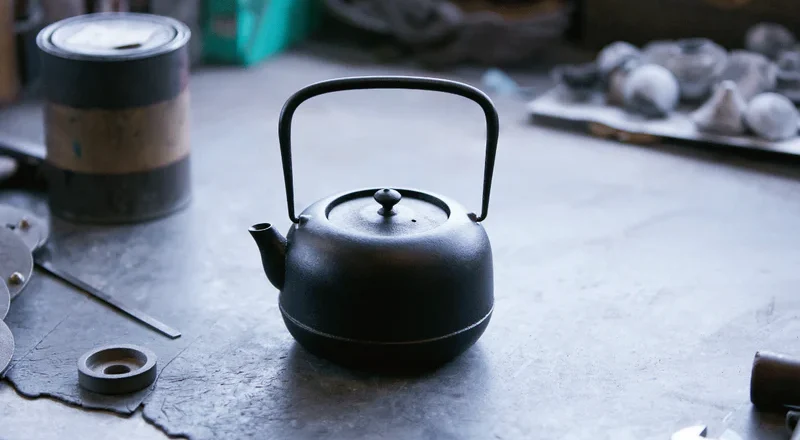
The foundation of any successful outdoor stew is the cookware. Cast iron pots and Dutch ovens are favored for their heat retention and even cooking. These vessels are durable, withstand open flames, and develop a natural non-stick surface over time. For those new to cast iron, an introduction to cast iron cookware can be a helpful starting point.
Other useful items include:
- Long-handled ladles and spoons for stirring over fire
- Tripods or grill grates to suspend pots above flames
- Heat-resistant gloves for safe handling
Proper equipment not only makes cooking easier but also contributes to the depth of flavor by allowing for slow, even simmering—an essential aspect of outdoor stew cooking techniques.

Building Flavor: Layering and Browning Ingredients
One of the secrets to a rich outdoor stew is the careful layering and browning of ingredients. Start by searing meats and aromatics directly in the pot over high heat. This step develops a deep, savory base through the Maillard reaction, which is crucial for flavor complexity.
After browning, add vegetables in stages, beginning with those that require longer cooking times, such as carrots and potatoes. Deglaze the pot with a splash of broth, wine, or water to lift the flavorful bits from the bottom. This technique, often used in outdoor stew cooking techniques, ensures that every spoonful is packed with taste.
For more inspiration on slow-simmered recipes, you might enjoy reading about broth making over fire pits, which shares similar principles for extracting maximum flavor outdoors.
Managing Heat and Simmering Outdoors
Controlling temperature is more challenging outdoors than in a kitchen, but it’s essential for stews. Too much heat can scorch the bottom, while too little prevents proper melding of flavors. Use these tips to manage your fire or coals:
- Build a steady bed of embers for even, gentle heat
- Adjust pot height or move coals to regulate temperature
- Rotate the pot occasionally to avoid hot spots
Patience is key. Allow your stew to simmer slowly, checking occasionally and adding liquid as needed. This slow process breaks down tougher cuts of meat and allows flavors to meld, resulting in a satisfying, robust meal.
Ingredient Selection and Preparation
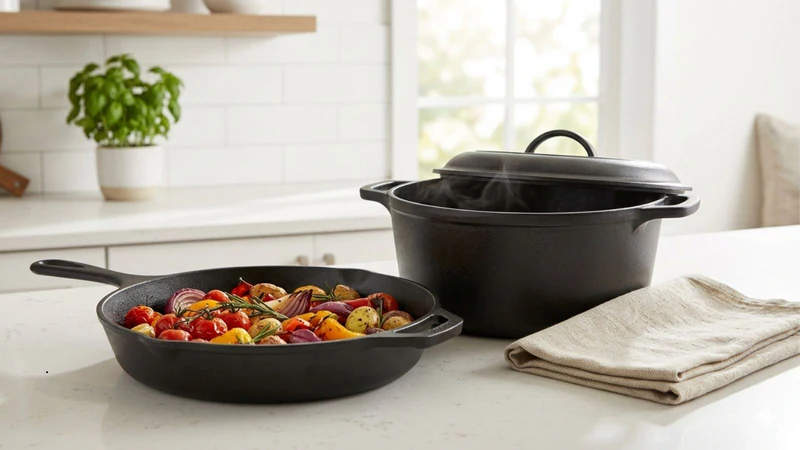
The choice of ingredients can make or break an outdoor stew. Opt for cuts of meat with connective tissue, such as chuck or brisket, which become tender and flavorful after long cooking. Root vegetables, onions, and garlic provide sweetness and body. Herbs like thyme, bay leaf, and rosemary add aromatic complexity.
Chop ingredients into uniform pieces to ensure even cooking. If you’re preparing for a group or event, consider the advice in rustic event catering equipment for tips on scaling up recipes and managing larger quantities outdoors.
Don’t forget to season in layers—add salt and pepper during browning, after adding liquids, and just before serving. Taste as you go to balance flavors.
Advanced Outdoor Stew Cooking Techniques
Once you’ve mastered the basics, try these advanced methods to further enhance your outdoor stews:
- Smoking: Add a handful of soaked wood chips to your fire for a subtle smoky flavor.
- Two-stage cooking: Sear meat and aromatics at high heat, then move the pot to a cooler area for slow simmering.
- Using wild ingredients: Foraged mushrooms, wild herbs, or locally sourced vegetables can add unique flavors.
- Finishing touches: Stir in fresh herbs or a splash of vinegar at the end to brighten the stew.
Experimenting with these techniques can help you develop your own signature outdoor stew. For those cooking at high altitudes, mountain camp cooking setups offers practical advice for adapting recipes to different environments.
Cleaning and Caring for Your Outdoor Cookware
Proper maintenance of your cookware ensures longevity and consistent performance. After cooking, allow your pot to cool, then clean with hot water and a brush. Avoid soap, as it can strip seasoning from cast iron. Dry thoroughly and apply a thin layer of oil before storing.
For a comprehensive care routine, consider using a dedicated kit. The Buy Care Kit on Amazon can help maintain your cookware’s seasoning and prevent rust, keeping it ready for your next outdoor adventure.
Frequently Asked Questions
What is the best type of pot for making stew outdoors?
Cast iron Dutch ovens are widely regarded as the best choice for outdoor stews. They retain heat well, distribute it evenly, and can be used directly over open flames or coals. Their durability makes them ideal for rugged environments.
How do I control the temperature when cooking stew over a campfire?
Managing heat outdoors involves building a steady bed of embers and adjusting the pot’s position. Raising or lowering the pot, or moving coals closer or farther away, helps regulate temperature. Rotating the pot also prevents hot spots and ensures even cooking.
Can I prepare vegetarian stews using these outdoor methods?
Absolutely. The same techniques apply to vegetarian stews. Use hearty vegetables, legumes, and grains for substance, and layer flavors by browning aromatics and adding herbs. Outdoor cooking enhances the natural flavors of plant-based ingredients.


