
Cast iron cookware has earned a reputation for delivering exceptional results in kitchens around the world. From perfectly seared steaks to slow-simmered stews, these heavy-duty pots and pans are prized for their ability to cook food evenly and develop rich flavors. But what exactly makes cast iron such a reliable choice for both home cooks and professionals? The answer lies in its unique approach to heat distribution in cast iron vessels, which sets it apart from other materials.
Understanding how cast iron manages and spreads heat can help you get the most out of your cookware. Whether you’re new to cast iron or looking to deepen your knowledge, this article explores the science behind its performance and offers practical tips for everyday use. For those interested in the broader context of cookware evolution, the evolution of cooking vessels provides fascinating insight into how materials and designs have changed over time.
The Science Behind Cast Iron’s Thermal Properties
At the heart of cast iron’s cooking prowess is its ability to absorb, retain, and distribute heat. Unlike thinner metals such as aluminum or stainless steel, cast iron is dense and heavy. This density means it takes longer to heat up, but once it reaches the desired temperature, it holds onto that heat for an extended period. This quality is especially important for recipes that require steady, even cooking.
When you place a cast iron vessel on a heat source, the metal gradually absorbs energy and spreads it throughout the pan. This process results in fewer hot spots and more uniform cooking. Foods are less likely to burn in one area while remaining undercooked in another. The result is a level of control that’s hard to match with lighter cookware.
How Heat Spreads in Cast Iron Vessels
The way heat distribution in cast iron vessels works is rooted in the metal’s structure. Cast iron is made by pouring molten iron into molds, creating a solid piece with a rough, slightly porous surface. This structure isn’t as conductive as some other metals, but it excels at holding heat and releasing it slowly.
When you preheat a cast iron skillet or Dutch oven, the entire vessel gradually comes up to temperature. This means the sides, base, and even the lid (if present) all contribute to the cooking process. The heavy walls act as a buffer, smoothing out temperature fluctuations and helping maintain a stable environment for your food.
Why Even Heating Matters for Cooking
One of the biggest advantages of even heat distribution in cast iron is its impact on food quality. When heat is spread uniformly, ingredients cook at the same rate, leading to better texture and flavor. For example, when searing meat, a well-heated cast iron pan creates a consistent crust without burning. Similarly, when baking cornbread or roasting vegetables, the steady warmth ensures a golden, crispy finish throughout.
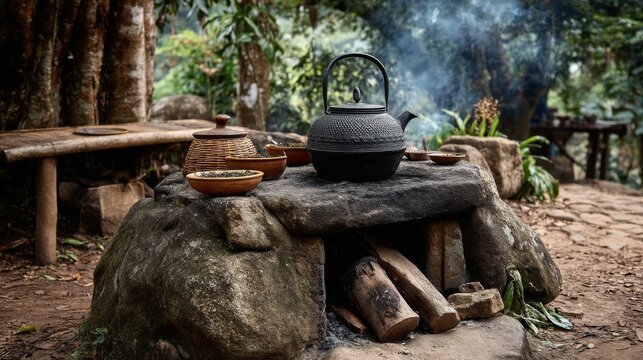
This evenness is also crucial for slow-cooked dishes. Stews, braises, and soups benefit from the gentle, all-around heat that cast iron provides. The vessel’s ability to maintain a stable temperature over long periods allows flavors to develop fully, resulting in richer, more satisfying meals. For outdoor enthusiasts, this property is especially valuable when preparing broth making over fire pits or other campfire recipes.
Comparing Cast Iron to Other Cookware Materials
While cast iron is celebrated for its heat retention, it’s useful to compare it with other common cookware materials:
- Aluminum: Heats up quickly and distributes heat well, but loses heat just as fast and can develop hot spots.
- Stainless Steel: Durable and resistant to rust, but doesn’t retain heat as effectively as cast iron.
- Copper: Excellent conductor, but expensive and requires frequent polishing.
- Ceramic: Good for gentle, even heating but can be fragile and less versatile for high-heat cooking.
Cast iron’s unique combination of heat retention and distribution makes it especially well-suited for tasks that demand both power and precision.

Practical Tips for Getting the Most from Your Cast Iron
To maximize the benefits of heat distribution in cast iron vessels, consider the following tips:
- Preheat Gradually: Allow your pan or pot to warm up slowly over medium heat. This helps the entire vessel reach a consistent temperature.
- Use the Right Burner Size: Match the size of your cookware to the burner to ensure even heating across the base.
- Avoid Sudden Temperature Changes: Don’t add cold ingredients to a hot pan, as this can cause thermal shock and uneven cooking.
- Maintain Your Seasoning: A well-seasoned surface improves heat transfer and prevents sticking. For maintenance, consider a dedicated care kit such as the one linked above.
- Let Food Rest: After cooking, allow food to rest in the pan for a few minutes. The residual heat will finish the cooking process gently.
Choosing the Right Cast Iron Vessel for Your Needs
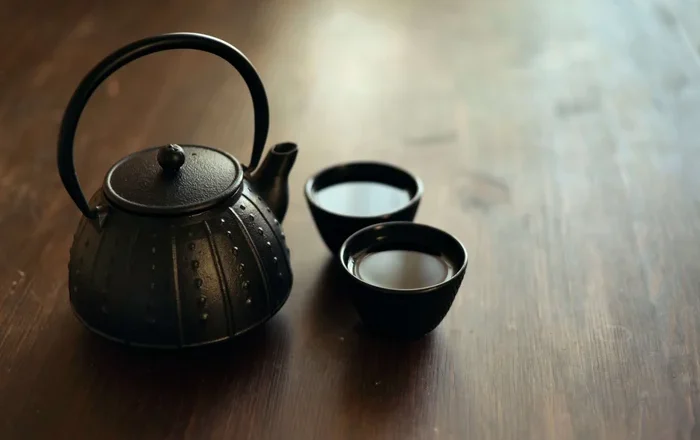
There are many shapes and sizes of cast iron cookware, each suited to different tasks. Skillets are ideal for frying and searing, while Dutch ovens excel at braising and baking. If you’re interested in specialty items, such as kettles for tea or soup, it’s helpful to consult resources like how to pick the best cast iron kettle for guidance on selecting the right piece for your kitchen.
Consider your cooking habits and the types of dishes you prepare most often. Investing in a few versatile pieces can cover a wide range of recipes and ensure you benefit from the superior heat management that cast iron provides.
Care and Longevity: Keeping Your Cast Iron Performing Well
Proper care is essential to maintain the performance of your cast iron cookware. Always dry your vessel thoroughly after washing to prevent rust. Regularly apply a thin layer of oil to keep the seasoning intact. Avoid using harsh detergents or metal scouring pads, as these can strip away the protective coating.
With the right maintenance, cast iron can last for generations, becoming more non-stick and efficient with each use. This longevity, combined with its outstanding heat properties, makes it a favorite among cooks who value both tradition and performance.
Frequently Asked Questions
Does cast iron heat up faster than other cookware?
No, cast iron typically heats up more slowly than materials like aluminum or copper. However, once it reaches the desired temperature, it retains and distributes heat much more effectively, providing a stable cooking environment.
Why does food sometimes stick to cast iron?
Sticking can occur if the pan isn’t properly seasoned or if it hasn’t been preheated long enough. A well-maintained seasoning layer and gradual preheating help create a natural non-stick surface, improving both heat transfer and food release.
Can cast iron be used on all types of stovetops?
Yes, cast iron is compatible with gas, electric, induction, and even open fire. Just be sure to lift the cookware rather than sliding it on glass or ceramic surfaces to avoid scratches.
Conclusion
The remarkable heat distribution in cast iron vessels is a key factor in their enduring popularity. By understanding how cast iron manages and spreads heat, you can unlock new levels of control and consistency in your cooking. With proper care and thoughtful use, these classic pieces will continue to deliver delicious results for years to come.


