
Throughout history, people have been drawn to the warmth and glow of fire. Outdoor ceremonial fire features have served as focal points for gatherings, rituals, and celebrations in cultures around the world. Today, these installations continue to bring people together—whether for traditional ceremonies, seasonal festivals, or simply to enjoy the ambiance of an open flame in the backyard.
This guide explores the cultural roots, practical considerations, and design inspirations for incorporating meaningful fire elements into outdoor spaces. Whether you’re interested in historical traditions or seeking ideas for your own garden or patio, you’ll find practical advice and inspiration here.
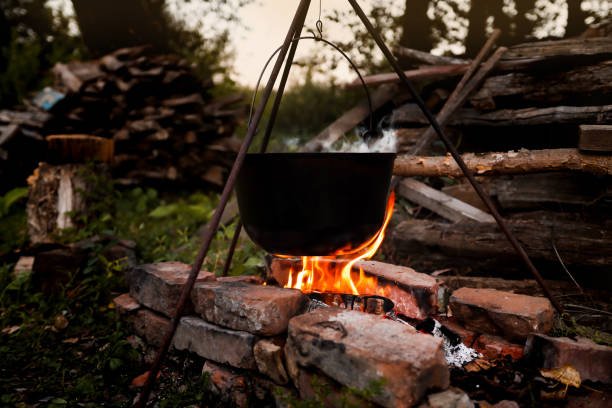
For those interested in the evolution of fire-based cooking and gathering, the article on eastern european kettle cooking offers a fascinating look at how communal meals and fire features have shaped culinary traditions.
The Cultural Significance of Fire in Outdoor Gatherings
Fire has always played a central role in human society. From ancient rituals to modern celebrations, flames have symbolized community, transformation, and renewal. In many cultures, outdoor fires mark important life events, seasonal changes, or spiritual observances. For example, bonfires are lit during midsummer festivals in Europe, while in Japan, fire is used in purification ceremonies and tea gatherings.
These traditions highlight the enduring appeal of fire as a gathering point. The act of sitting around a flame—sharing stories, food, or silence—creates a sense of connection that transcends time and place. Today’s outdoor ceremonial fire features draw on these deep-rooted customs, offering a way to honor the past while creating new memories.
Types of Outdoor Fire Features for Ceremonial Use
There are many ways to incorporate fire into outdoor spaces, each with its own style and purpose. Here are some of the most popular options for those looking to add a ceremonial or communal element to their garden or patio:
- Fire Pits: Simple and versatile, fire pits can be built from stone, metal, or brick. They are ideal for group gatherings and can be customized to suit any landscape.
- Fire Bowls: These portable vessels offer a contained flame and are often used for smaller ceremonies or as decorative accents.
- Chimineas: Traditional clay or metal chimineas provide warmth and ambiance, with a distinctive shape that channels smoke upward.
- Tripod Kettles and Cauldrons: Inspired by historic cooking methods, these setups combine fire with communal meal preparation, echoing traditions found in many cultures.
- Bonfire Structures: Larger, open fires are often used for festivals or significant events, requiring careful planning and safety considerations.
Each of these options can be adapted to fit the scale and spirit of your gathering, whether you’re hosting a family celebration or a community event.
Design Inspirations: Blending Tradition and Modern Style
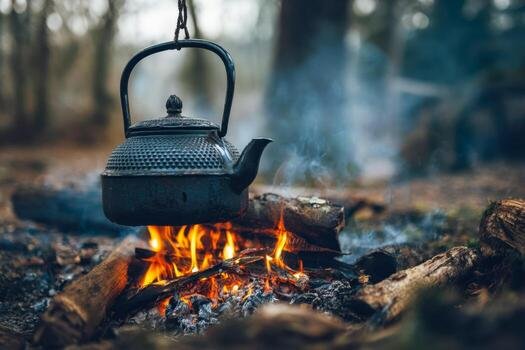
When designing a fire feature for ceremonial use, consider both function and aesthetics. Many contemporary installations take cues from historic forms, blending them with modern materials and safety features. For example, a cast iron kettle suspended over a fire pit can evoke the communal meals of the past while serving as a practical cooking vessel today.
Some homeowners opt for sculptural fire bowls or custom-built hearths that serve as visual centerpieces. Others prefer a rustic approach, using natural stone and reclaimed metal to create a timeless look. The key is to choose a design that reflects your intentions—whether it’s honoring heritage, fostering community, or simply enjoying the outdoors.
For more on the evolution of cookware and outdoor gathering spaces, see the article on evolution of cooking vessels, which traces the journey from ancient pots to modern fire features.
Safety and Practical Considerations for Outdoor Fire Installations
While the allure of fire is undeniable, safety must always come first. Here are some essential tips for creating a safe and enjoyable experience:
- Location: Place fire features on non-flammable surfaces, away from overhanging branches, structures, and flammable materials.
- Supervision: Never leave flames unattended, especially when children or pets are present.
- Extinguishing: Keep water, sand, or a fire extinguisher nearby. Make sure the fire is completely out before leaving the area.
- Local Regulations: Check with local authorities for any restrictions or permits required for outdoor fires.
- Material Selection: Use durable, heat-resistant materials such as stone, brick, or cast iron for long-lasting performance.
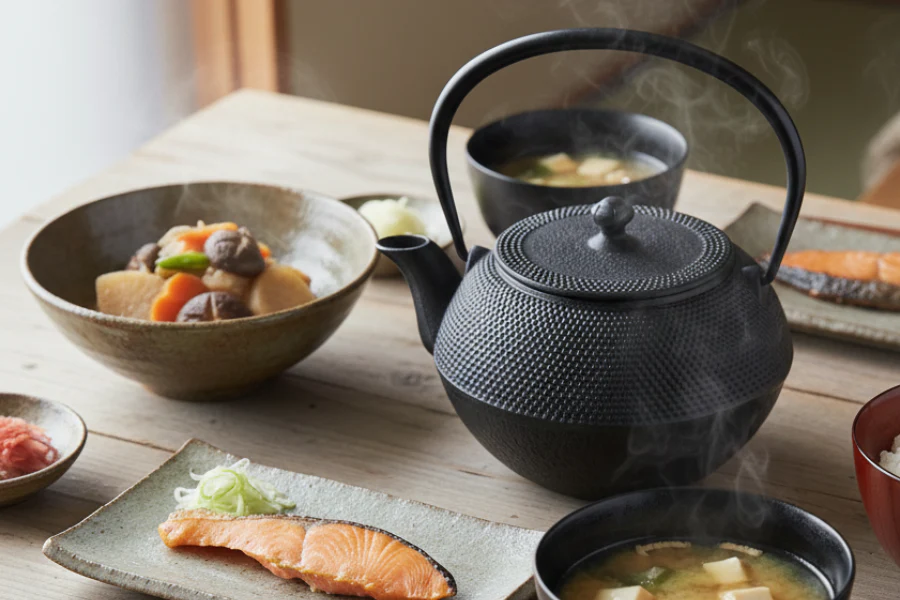
For those using cast iron kettles or cookware over the fire, proper care is essential. Learn more about maintenance and the benefits of cast iron in this comprehensive guide to cast iron cookware.
Incorporating Fire Features Into Seasonal and Cultural Events
Many communities use fire as a centerpiece for seasonal festivals and cultural celebrations. From autumn harvest gatherings to spring equinox rituals, fire brings warmth and meaning to outdoor events. Consider integrating your fire feature into annual traditions, such as:
- Harvest festivals with communal meals cooked over open flames
- Winter solstice gatherings with storytelling and music around the fire
- Springtime purification or renewal ceremonies
- Family celebrations, such as birthdays or anniversaries, marked by lighting a ceremonial flame
For more ideas on seasonal décor and event planning, explore the article on harvest festival decorations for inspiration on creating a festive atmosphere around your fire feature.
Maintaining and Caring for Your Outdoor Fire Elements
Proper maintenance ensures that your fire feature remains safe, functional, and beautiful for years to come. Here are some tips for caring for your installation:
- Clean out ash and debris regularly to promote airflow and prevent corrosion.
- Protect metal components from rust by applying a light coat of oil or using a dedicated care kit.
- Inspect for cracks or damage before each use, especially in clay or stone structures.
- Store portable fire bowls or accessories indoors during harsh weather to extend their lifespan.
For those interested in the history and craftsmanship behind metal fire features, the article on metal casting history provides valuable context on how these objects are made and preserved.
Frequently Asked Questions
What are the best materials for outdoor ceremonial fire features?
The most durable and safe materials include cast iron, stainless steel, stone, and fire-rated brick. These materials withstand high temperatures and resist weathering, making them ideal for long-term outdoor use.
How can I safely use a fire feature during a gathering?
Always place the fire feature on a stable, non-flammable surface and keep it away from structures and vegetation. Supervise the fire at all times, keep extinguishing tools nearby, and follow local fire regulations to ensure everyone’s safety.
Can I cook over a ceremonial fire feature?
Yes, many fire pits and kettles are designed for cooking. Use appropriate cookware, such as cast iron pots or grills, and follow food safety guidelines. For more on traditional outdoor cooking, see resources on eastern european kettle cooking.
How do I maintain a cast iron fire kettle?
Clean the kettle after each use, dry thoroughly, and apply a thin layer of oil to prevent rust. Store it in a dry place when not in use. For detailed care instructions, refer to a cast iron maintenance guide.
Conclusion
Fire has always brought people together, from ancient rituals to modern backyard gatherings. By thoughtfully incorporating outdoor ceremonial fire features into your space, you can create a welcoming environment that honors tradition and fosters connection. Whether you choose a simple fire pit, a sculptural bowl, or a historic kettle setup, these elements offer warmth, ambiance, and a sense of community that endures through the ages.


