
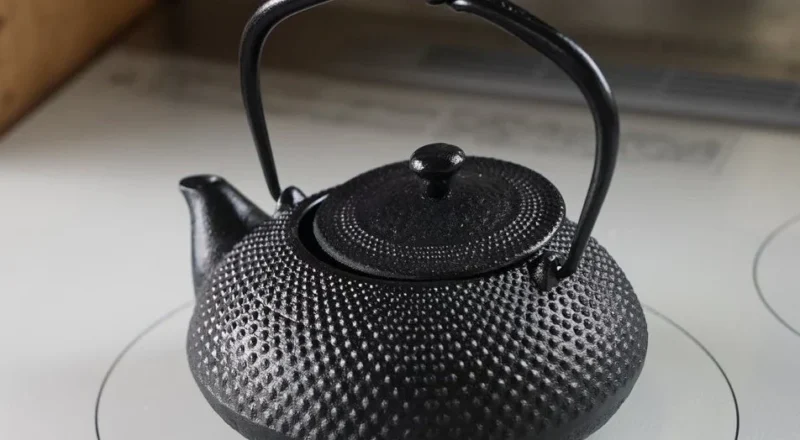
Iron foundry craftsmanship is a centuries-old tradition that blends technical expertise with artistic vision. The process of transforming raw iron into durable cookware, intricate ornaments, and essential industrial components is both complex and fascinating. This article explores the meticulous work that goes into producing cast iron, highlighting the skills, tools, and heritage that define this unique trade.
From the preparation of molds to the final finishing touches, each step in the foundry is a testament to human ingenuity and attention to detail. The legacy of cast iron production is not only about utility but also about preserving cultural practices and evolving techniques. For those interested in the broader historical context, the metal casting history offers a deeper look at how these methods have developed over time.
The Art and Science of Iron Foundry Work
At the heart of every foundry is a blend of scientific precision and creative problem-solving. The journey begins with selecting the right type of iron and preparing it for melting. Foundry workers must understand the properties of different alloys, as even slight variations can affect the strength and appearance of the finished product.
Once the iron is ready, it is heated in a furnace until it becomes molten. This stage requires constant monitoring, as temperature control is critical. Too hot, and the iron may become brittle; too cool, and it may not fill the mold properly. The expertise of the foundry team ensures that each batch meets strict quality standards.
Traditional Molding Techniques in Cast Iron Production
One of the most distinctive aspects of iron foundry craftsmanship is the creation of molds. Historically, sand casting has been the preferred method for shaping molten iron. Skilled artisans pack fine sand around a pattern, which forms the cavity for the metal. The sand must be compacted with just the right amount of moisture and pressure to hold its shape during pouring.
Modern foundries may use advanced techniques like resin-bonded sand or even 3D-printed molds, but the principles remain the same. The quality of the mold directly influences the surface finish and structural integrity of the final piece. Attention to detail at this stage is what separates ordinary castings from exceptional ones.

Pouring and Cooling: The Crucial Moments
With the mold prepared, the next step is pouring the molten iron. This is one of the most dramatic and dangerous phases of the process. Workers must wear protective gear and coordinate their movements to ensure safety and accuracy. The liquid iron is carefully ladled or poured into the mold, filling every crevice and capturing the intended design.
After pouring, the iron must cool and solidify. The cooling rate can affect the grain structure of the metal, influencing its durability and resistance to wear. Foundry workers often use controlled cooling methods to achieve the desired properties. Once cooled, the sand mold is broken away, revealing the rough casting beneath.
Finishing Touches: Grinding, Polishing, and Seasoning
The raw casting is far from finished. Skilled hands are needed to remove excess material, smooth rough edges, and refine the surface. Grinding and polishing tools help achieve a uniform appearance, while any imperfections are corrected by hand. For cookware, a final seasoning process is often applied to create a natural non-stick surface and protect against rust.
Proper care and maintenance are essential for preserving cast iron’s longevity. Using a dedicated care kit can help keep your cookware in top condition for generations. For more on the health and culinary benefits, check out this comprehensive guide to cast iron cooking.
Heritage and Modern Innovations in Iron Casting
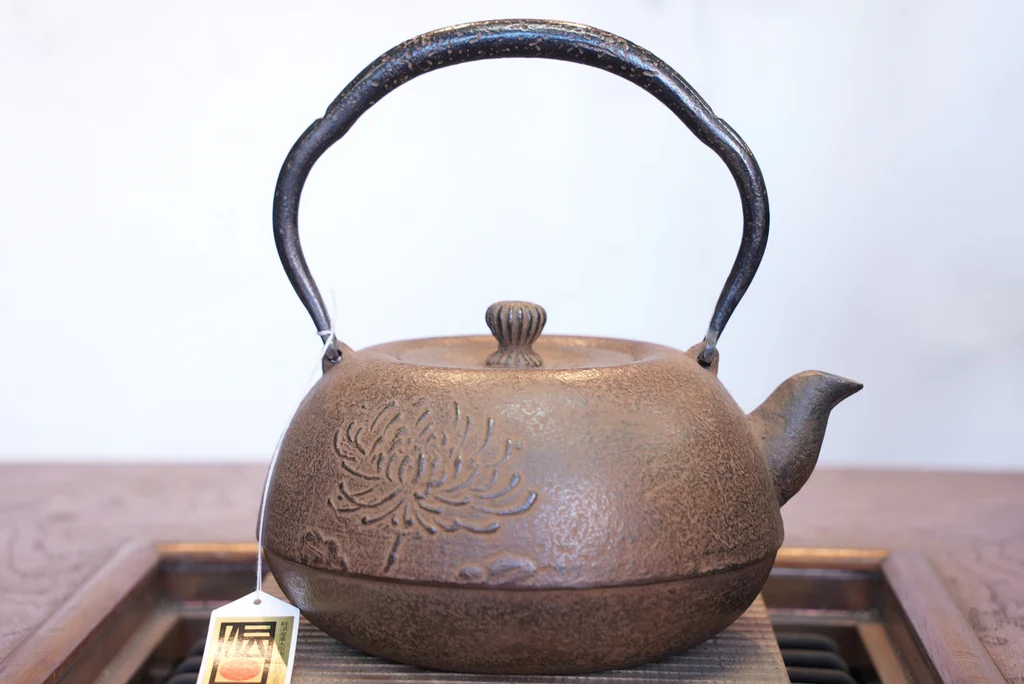
The legacy of iron foundry craftsmanship is visible in both traditional and contemporary products. Many foundries continue to use time-honored methods, producing items that reflect regional styles and cultural heritage. In regions such as Eastern Europe, cast iron kettles and pots are still crafted using techniques passed down through generations. For those interested in these culinary traditions, the article on eastern european kettle cooking provides a fascinating perspective.
At the same time, modern technology has introduced new materials, automation, and precision tools. Computer-aided design (CAD) and digital modeling allow for more intricate patterns and efficient production. However, the core values of patience, skill, and pride in workmanship remain unchanged.
Applications of Cast Iron: From Cookware to Architecture
Cast iron’s versatility makes it a staple in kitchens, gardens, and industrial settings. Its ability to retain heat evenly has made it a favorite for cookware, while its strength and resistance to corrosion have led to its use in architectural elements and machinery. Ornamental castings, such as garden urns and decorative gates, showcase the artistic side of the trade. For those interested in historic uses, the evolution of these vessels is explored in the evolution of cooking vessels article.
Whether in the form of a sturdy skillet or a timeless garden ornament, each piece is a testament to the enduring value of this craft.
Preserving the Legacy of Iron Foundries
As global manufacturing evolves, preserving the traditions of iron foundry craftsmanship becomes increasingly important. Many foundries offer apprenticeships and educational programs to pass on their knowledge. Collectors and enthusiasts also play a role by valuing handmade cast iron pieces and supporting local artisans.
By understanding the care and effort that goes into each casting, consumers can make informed choices and appreciate the artistry behind everyday objects. The continued relevance of this trade depends on both innovation and respect for its roots.
Frequently Asked Questions
- What makes cast iron produced by traditional foundries unique?
- Traditional foundries rely on skilled artisans who use time-tested methods to create durable and often decorative pieces. The attention to detail in mold preparation, pouring, and finishing results in products with unique character and long-lasting quality.
- How can I care for my cast iron cookware?
- Regular seasoning, gentle cleaning, and thorough drying are essential. Using a dedicated care kit can help maintain the non-stick surface and prevent rust. Avoid harsh detergents and always store your cookware in a dry place.
- Are there modern advancements in iron casting?
- Yes, many foundries now use digital modeling, improved alloys, and automated processes to enhance precision and efficiency. However, the fundamental steps—melting, molding, pouring, and finishing—remain rooted in traditional practices.


