
Outdoor cooking over an open fire is a time-honored tradition, whether you’re simmering a hearty stew at a campsite or preparing a communal meal for friends and family. Two of the most popular methods for suspending a cauldron or pot above the flames are the classic tripod and the more modern stand. Choosing between these options can impact your cooking experience, safety, and the types of dishes you can prepare. This guide breaks down the key differences, advantages, and considerations to help you select the right setup for your needs.
Before diving into the details, it’s worth noting that both tripods and stands have deep roots in primitive cooking methods and are still widely used in rustic event catering and broth making over fire pits. Understanding their unique features will help you make an informed decision for your next outdoor feast.
Understanding the Basics: Tripods and Stands Explained
Both tripods and stands are designed to hold a cauldron or pot above an open fire, but their construction and functionality differ in meaningful ways. A cauldron tripod typically consists of three metal legs joined at the top, from which a chain or hook suspends the pot. This design has been used for centuries and is prized for its stability on uneven ground.
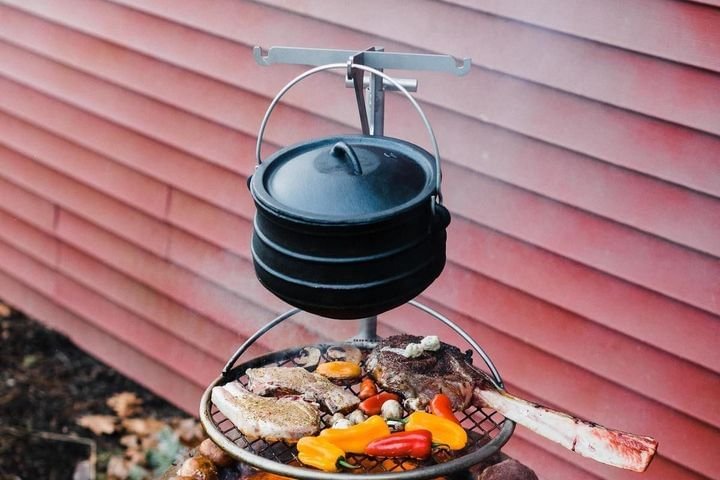
In contrast, a cauldron stand is usually a circular or square frame with legs that sit directly over the fire. The pot rests on or is attached to the frame, offering a lower and sometimes more stable cooking position. Stands are often favored for their simplicity and ease of use, especially when cooking for larger groups.
Key Differences Between Tripods and Stands for Outdoor Cooking
When comparing these two options, several factors come into play, including portability, stability, adjustability, and versatility. Let’s explore how each method stacks up in these areas.
Portability and Setup
Tripods are generally lightweight and can be collapsed for easy transport, making them ideal for camping or backpacking. Their three-legged design allows for quick setup on a variety of surfaces, including rocky or sloped terrain. Stands, on the other hand, may be bulkier but often provide a sturdier base, especially on flat ground. Some stands are designed to be disassembled, but others are more cumbersome to move.
Stability and Safety Considerations
Stability is crucial when cooking over an open flame. Tripods offer excellent balance on uneven surfaces, but if not properly anchored, they can tip if the pot is too heavy or unevenly loaded. Stands excel in stability on level ground and are less likely to tip, making them a safer choice for larger cauldrons or when children are present. Always ensure your setup is secure before lighting the fire.
Adjustability and Cooking Control
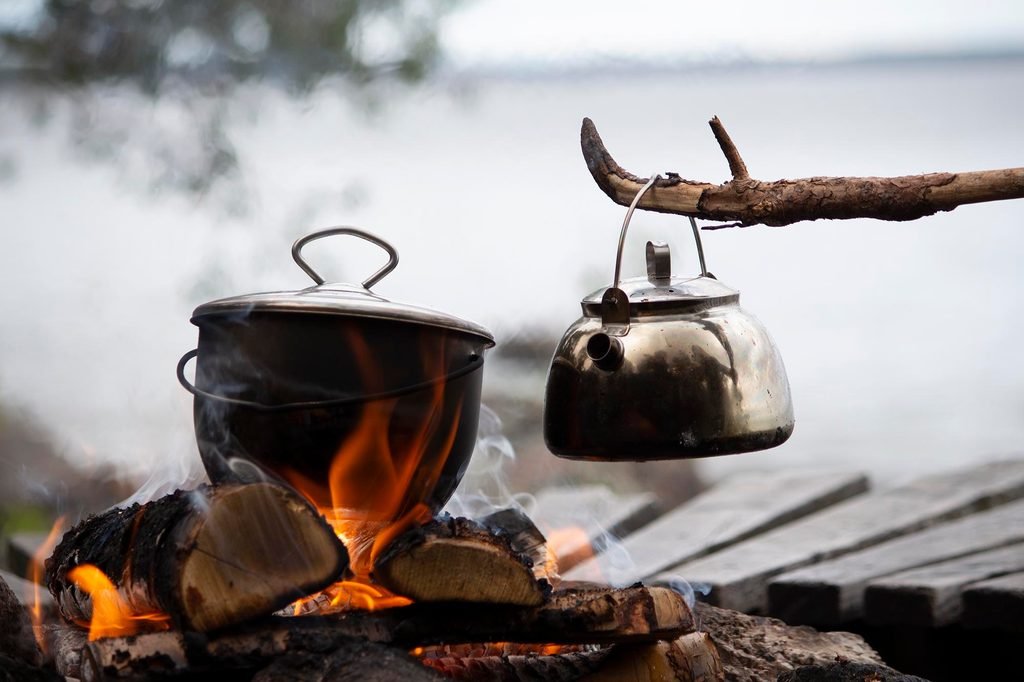
One of the main advantages of a tripod is the ability to adjust the height of the cauldron above the fire using a chain or hook. This allows for precise temperature control, making it easier to simmer, boil, or keep food warm. Stands typically offer a fixed height, which can limit your ability to fine-tune heat exposure. However, some modern stands include adjustable legs or slots for different pot heights.
Versatility and Cooking Styles
Tripods are highly versatile and can accommodate a wide range of cookware, from cauldrons and Dutch ovens to grills and kettles. They are especially useful for recipes that require slow simmering or frequent stirring, such as stews and soups. Stands are often preferred for grilling or when cooking with larger pots, as they provide a solid base and can support more weight.
Choosing the Right Option for Your Outdoor Cooking Needs
Your choice between a tripod and a stand depends on your cooking style, the types of meals you plan to prepare, and the environment where you’ll be cooking. Here are some scenarios to consider:
- Backpacking or Camping: A tripod is usually the better choice due to its portability and adaptability to uneven terrain.
- Large Gatherings or Events: A stand offers greater stability and can support heavier cookware, making it ideal for feeding a crowd.
- Traditional or Historical Cooking: Tripods are more authentic for reenactments or when exploring primitive cooking methods and pioneer cooking techniques.
- Everyday Backyard Use: Stands are convenient for regular use, especially if you have a dedicated fire pit or outdoor kitchen setup.
Material Choices and Durability
Most tripods and stands are constructed from steel or cast iron, both known for their durability and heat resistance. Steel is lighter and less expensive, while cast iron offers superior heat retention and a classic look. Proper care is essential for longevity, especially with cast iron, which can rust if not maintained. For tips on seasoning and restoring your cookware, consider using a specialized care kit.
Cooking with cast iron also offers health benefits, such as adding trace amounts of iron to your food. For more information, see this comprehensive guide to cast iron cooking and its health impacts.
Maintenance and Cleaning Tips
Keeping your tripod or stand in good condition ensures safe and enjoyable outdoor cooking. After each use, allow the equipment to cool completely before cleaning. Remove ash and debris, then wipe down metal surfaces with a dry or slightly damp cloth. For cast iron, apply a thin layer of oil to prevent rust. Store your gear in a dry place, and periodically check for signs of wear or damage.
For those interested in more advanced outdoor cooking techniques, learning about communal meal cooking methods can open up new possibilities for group gatherings and events.
Frequently Asked Questions
Which is safer for family use, a tripod or a stand?
Stands are generally safer for family settings, especially with children around, because they offer a lower center of gravity and are less likely to tip. However, both options are safe when used correctly and set up on stable ground.
Can I use both a tripod and a stand with the same cauldron?
Yes, many cauldrons are compatible with both setups. Just ensure your pot has the appropriate handle or base to fit securely on each device. Switching between the two can offer flexibility for different cooking scenarios.
How do I prevent rust on my outdoor cookware?
To prevent rust, clean your tripod or stand after each use, dry thoroughly, and apply a light coat of oil to cast iron surfaces. Using a dedicated care kit can help maintain seasoning and extend the life of your equipment.
Conclusion: Making the Right Choice for Your Outdoor Kitchen
Both tripods and stands offer unique benefits for outdoor cooking enthusiasts. Tripods excel in portability and adjustable cooking heights, while stands provide superior stability and ease of use for larger gatherings. Consider your typical cooking environment, the size of your group, and the types of meals you enjoy preparing. Whichever you choose, investing in quality equipment and proper maintenance will ensure many memorable meals around the fire.


