
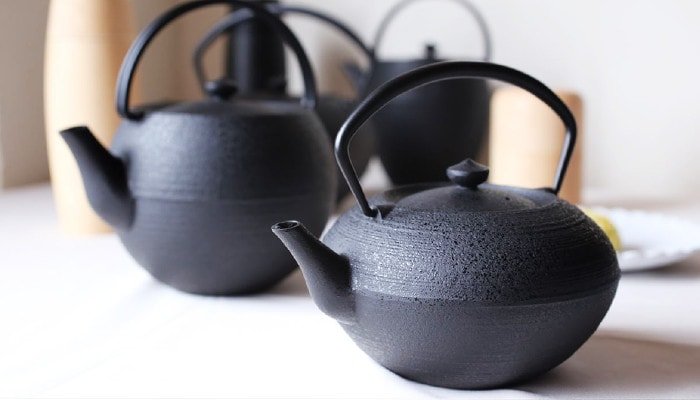
Heritage cooking equipment has stood the test of time, offering both functionality and a connection to culinary traditions that span generations. Whether you’re preparing a rustic meal over an open flame or simply admiring the craftsmanship of classic cookware, these tools bring authenticity and reliability to outdoor cooking experiences. Their enduring designs and materials—often cast iron, copper, or steel—are not only practical but also evoke a sense of history and community around the fire pit.
For those interested in the cultural roots of outdoor cooking, exploring cultural kettle cooking traditions can deepen your appreciation for these time-honored implements. These traditions reveal how different societies have adapted similar tools to their unique culinary needs, making each piece of equipment a story in itself.
The Enduring Appeal of Traditional Fire Pit Tools
What sets heritage cooking equipment apart is its blend of durability and timeless design. These pieces—such as cast iron kettles, Dutch ovens, and wrought iron tripods—are engineered to withstand direct flames and rugged outdoor conditions. Unlike many modern gadgets, these tools require little more than basic care and can last for decades, often improving with age.
For many, using these implements is about more than just cooking; it’s about preserving a connection to the past. The act of preparing food over a fire with tools passed down through generations fosters a sense of continuity and respect for ancestral knowledge. This sentiment is echoed in the practice of outdoor hospitality traditions, where sharing meals around a campfire becomes a communal ritual.
Key Pieces of Heritage Cooking Equipment for Open Fire Cooking
When it comes to open fire cooking, certain tools have become iconic for their reliability and versatility. Here are some of the most valued items:
- Cast Iron Kettles: Perfect for boiling water, making stews, or brewing tea. Their thick walls distribute heat evenly and retain warmth for extended periods.
- Dutch Ovens: These heavy pots with tight-fitting lids are ideal for slow-cooked meals, baking bread, or roasting meats directly in the coals.
- Tripods and Grills: Adjustable tripods allow you to suspend pots over the fire, while simple grates provide a stable surface for grilling or searing.
- Long-Handled Utensils: Sturdy spatulas, ladles, and tongs made from iron or steel keep hands safe from the heat and offer precise control.
- Roasting Spits: These allow for even cooking of meats and vegetables, turning slowly over the flames for that classic smoky flavor.
Each of these items has evolved over centuries, shaped by the demands of outdoor life and the ingenuity of cooks who relied on them daily.

Why Cast Iron Remains a Staple in Heritage Cooking
Among all traditional cookware, cast iron stands out for its remarkable heat retention, even cooking, and resilience. A well-seasoned cast iron kettle or skillet can handle everything from simmering soups to baking bread. Over time, the surface develops a natural non-stick patina that enhances flavor and makes cleaning easier.
Maintaining cast iron is straightforward but essential. Regular seasoning with oil keeps rust at bay and preserves the cooking surface. For those new to this process, there are excellent resources on how to properly season a cast iron kettle, ensuring your cookware remains in top condition for years to come.
Cast iron’s longevity and performance have made it a favorite not just for home cooks but also for those interested in metal casting history. The evolution of casting techniques has influenced the shapes, thickness, and decorative elements found in heritage cookware today.
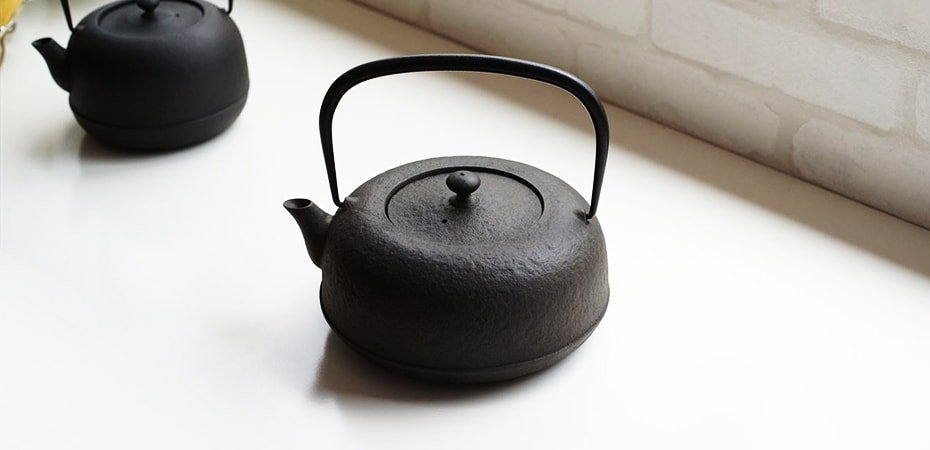
Preserving and Using Vintage Fire Pit Tools
Owning and using vintage cookware is a rewarding experience, but it comes with responsibilities. Proper care ensures these tools remain functional and beautiful for future generations. Here are some practical tips:
- Clean Gently: Avoid harsh detergents or metal scouring pads. Instead, use warm water and a soft brush or cloth.
- Dry Thoroughly: After washing, dry your cookware completely to prevent rust, especially for cast iron and steel items.
- Season Regularly: Apply a thin layer of oil and heat the cookware to maintain its protective coating.
- Store Properly: Keep items in a dry place, and if stacking, place a cloth between pieces to avoid scratches.
For those who want to learn more about the roots of these practices, historic food serving methods provide insight into how our ancestors cared for and presented their cookware and meals.
Celebrating the Cultural Significance of Classic Cookware
Beyond their practical uses, traditional fire pit tools carry deep cultural meaning. They are often featured in family gatherings, festivals, and communal feasts, symbolizing hospitality and togetherness. In regions like Eastern Europe, the use of bogracs kettles for stews is a cherished tradition, as detailed in guides about eastern european kettle cooking.
These implements are not just objects—they are vessels of memory, skill, and shared experience. Passing them down through families or using them in group settings helps keep culinary heritage alive, making each meal a celebration of both food and history.
FAQ
What makes heritage cooking equipment different from modern cookware?
Traditional fire pit tools are crafted from durable materials like cast iron or copper and are designed for use over open flames. Their construction emphasizes longevity and even heat distribution, while many modern pieces prioritize convenience or lightweight materials. The classic designs also reflect cultural practices and often have a story or tradition attached to them.
How do I maintain and season cast iron cookware?
To maintain cast iron, clean it gently with warm water and a soft brush, dry it thoroughly, and apply a thin layer of oil. Heat the cookware to allow the oil to bond to the surface, creating a protective, non-stick layer. Regular seasoning prevents rust and enhances cooking performance. For detailed steps, refer to guides on how to properly season a cast iron kettle.
Can I use vintage cookware on modern stoves or only over a fire pit?
Most heritage cookware, especially cast iron and copper pieces, can be used on modern stoves, including gas, electric, and induction surfaces. However, always check for cracks or damage before use, and be mindful that some items with rounded bottoms or legs are best suited for open fire cooking or campfire setups.


