
Cooking over an open fire pit is a rewarding experience that brings out unique flavors and a sense of connection with traditional techniques. However, one of the biggest challenges is maintaining steady cooking temperatures. Unlike modern stoves, fire pits require constant attention and skill to keep the heat consistent. Whether you’re simmering a stew, grilling meat, or preparing a rustic outdoor feast, understanding how to control the fire and manage your cookware is crucial for successful results.
In this guide, you’ll find practical advice for regulating heat, choosing the right equipment, and troubleshooting common issues. If you’re interested in how outdoor cooking gear has evolved, the evolution of cooking vessels offers fascinating insights into how pots and pans have changed to meet the demands of open-fire cooking.
Understanding Heat Zones and Fire Management
One of the first steps to steady temperature control is learning how to build and maintain your fire. Open fire pits don’t have dials or thermostats, so you’ll need to create different heat zones using wood or charcoal. Here’s how to get started:
- Direct heat: Place your cookware directly over the hottest part of the fire for searing or boiling.
- Indirect heat: Move coals or embers to the side and cook next to, not over, the flames for simmering or slow-cooking.
- Cool zone: Leave an area with minimal or no coals for resting food or keeping it warm without overcooking.
Managing the fire involves adding fuel gradually, adjusting the position of your pots and pans, and using tools like shovels or tongs to move embers. Patience is key—avoid adding too much wood at once, which can cause temperature spikes and uneven cooking.
Choosing the Right Cookware for Consistent Heat
The type of cookware you use greatly impacts your ability to keep a steady temperature. Cast iron is a top choice for open fire pits because it retains and distributes heat evenly. Its durability also makes it ideal for outdoor conditions. For a deeper look at why cast iron is so effective, check out this comprehensive guide to cast iron cookware.
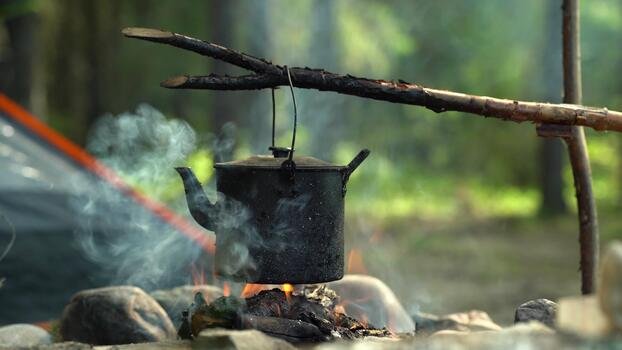
Other materials, such as stainless steel or aluminum, can work but may require more attention since they heat up and cool down quickly. Always preheat your cookware before adding ingredients to prevent sticking and ensure even cooking.
Techniques for Maintaining Steady Cooking Temperatures
Once your fire is established and your cookware is ready, use these strategies to keep the heat consistent:
- Monitor the fire: Keep an eye on the flames and embers. Add small amounts of wood or charcoal as needed, rather than large logs.
- Adjust cookware position: Move pots and pans between heat zones to control the cooking rate. For example, start a stew over direct heat, then move it to the side for a gentle simmer.
- Use lids: Covering your cookware helps trap heat and maintain a more uniform temperature, especially in windy conditions.
- Stir regularly: Stirring food distributes heat and prevents burning or sticking, especially in thick dishes like chili or porridge.
- Check doneness frequently: Since open fires can be unpredictable, use a thermometer or cut into food to check for doneness rather than relying on time alone.
For those interested in slow-cooked recipes, broth making over fire pits is a great way to practice these techniques and develop your fire management skills.
Tools and Accessories That Help Regulate Heat
Certain tools can make it easier to control the temperature and ensure even cooking:
- Fire tongs and shovels: Move coals and adjust wood placement without getting too close to the heat.
- Grill grates and tripods: Elevate cookware above the flames and adjust the height to fine-tune the heat level.
- Heat diffusers: Place a metal plate or diffuser between the fire and your pot to spread heat more evenly and prevent scorching.
- Thermometers: Use an instant-read or probe thermometer to check food temperature, especially for meats.
Having the right gear is essential for outdoor cooking. If you’re planning a large gathering, rustic event catering equipment can help you manage multiple dishes and serve a crowd efficiently.
Common Challenges and How to Overcome Them
Even with preparation, outdoor cooking can present a few obstacles. Here are some common issues and solutions:
- Wind: Wind can cause temperature fluctuations and uneven cooking. Use windbreaks, position your fire pit in a sheltered area, or use lids to minimize heat loss.
- Rain or moisture: Wet conditions can dampen your fire. Keep extra dry wood or charcoal on hand and use a cover or tarp if needed.
- Sudden flare-ups: Fat drippings or too much fuel can cause flames to spike. Move your cookware to a cooler zone and reduce the amount of wood added at one time.
- Uneven heat: Rotate your pots and pans regularly and stir food to avoid hot spots and burning.
For those cooking at higher elevations, mountain camp cooking setups offer specialized advice for dealing with altitude and weather-related challenges.
Care and Maintenance of Fire Pit Cookware
Proper care of your cookware ensures it performs well and lasts for years. After each use, clean your pots and pans thoroughly and dry them to prevent rust. For cast iron, apply a thin layer of oil and store in a dry place. If you’re looking for a convenient way to keep your cookware in top shape, consider using a care kit designed for seasoning and restoring cast iron.
For those interested in traditional outdoor cooking, cowboy cooking equipment highlights classic tools and techniques that are still effective today.
Frequently Asked Questions
How do I tell if my fire pit is at the right temperature for cooking?
One simple method is the hand test: hold your hand about six inches above the cooking surface. If you can keep it there for 2–3 seconds, it’s high heat; 4–5 seconds is medium; 6–7 seconds is low. For more accuracy, use a grill thermometer or an instant-read thermometer to check the temperature of your cookware or food.
What type of wood is best for maintaining steady heat?
Hardwoods like oak, hickory, and maple burn longer and more evenly than softwoods. They produce steady, reliable heat and less smoke, making them ideal for cooking. Always use seasoned (dried) wood for best results.
Can I use regular kitchen pots on an open fire pit?
It’s best to use cookware specifically designed for open fire cooking, such as cast iron or heavy-duty stainless steel. Regular kitchen pots may warp, discolor, or even become damaged from direct flames and high heat.
How do I keep food from burning on an open fire?
Use indirect heat for foods that require longer cooking times, stir regularly, and adjust the position of your cookware as needed. Keeping a close eye on the fire and using lids can also help prevent burning.
Conclusion
Mastering the art of maintaining steady cooking temperatures over an open fire pit takes practice, patience, and the right equipment. By understanding heat zones, choosing appropriate cookware, and using proven techniques, you can enjoy delicious meals and memorable outdoor experiences. With each cookout, you’ll gain more confidence and skill in managing the fire and delivering consistent results.


