
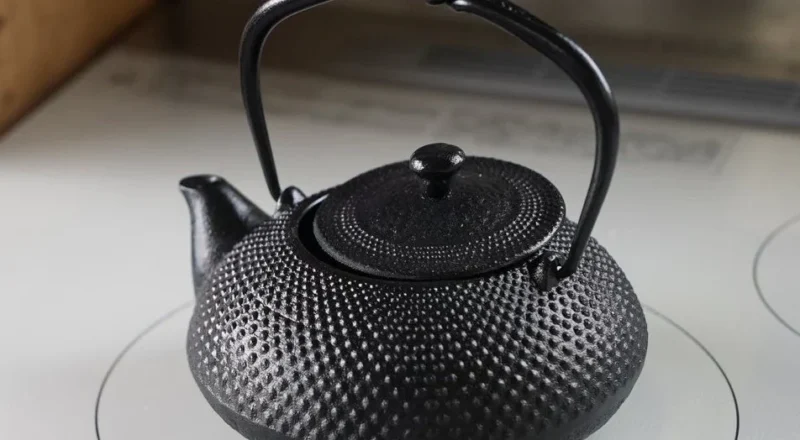
Preparing meals without access to electricity is a valuable skill, whether you’re camping, living remotely, or preparing for emergencies. Off grid meal preparation systems offer practical solutions for cooking, boiling water, and heating food in any environment. These systems range from traditional fire-based setups to modern portable stoves, each with unique benefits and considerations. Understanding the options available can help you choose the right tools for your needs and ensure you can enjoy hot, nourishing meals wherever you are.
For those interested in the historical context of outdoor cooking, exploring eastern european kettle cooking reveals how people have prepared meals over open flames for centuries. This tradition continues to influence today’s off-grid cooking methods, blending time-tested techniques with modern innovations.
Types of Off Grid Cooking Solutions
There are several categories of off grid meal preparation systems, each suited to different situations and preferences. Here are some of the most popular types:
- Open Fire Cooking: The most traditional method, using wood, charcoal, or other natural fuels. This includes campfires, fire pits, and outdoor grills.
- Portable Stoves: Compact, efficient devices powered by propane, butane, alcohol, or solid fuel tablets. These are ideal for camping or emergency kits.
- Solar Cookers: Harness the sun’s energy to cook food without any fuel. Best suited for sunny climates and daytime use.
- Rocket Stoves: Highly efficient stoves that burn small amounts of wood or biomass, producing intense heat with minimal smoke.
- Thermal Cookers: Use insulation to retain heat and continue cooking food after an initial heating phase, saving fuel and effort.
Each of these systems has its own advantages and limitations. The best choice depends on your location, available resources, and the types of meals you plan to prepare.
Essential Gear for Off Grid Cooking
Choosing the right equipment is crucial for successful meal preparation away from the grid. Here are some must-have items for your setup:
- Cast Iron Cookware: Durable, versatile, and excellent for heat retention. Cast iron pans, Dutch ovens, and kettles work well over open flames and stoves.
- Fire Starters: Waterproof matches, lighters, and ferro rods ensure you can start a fire in any condition.
- Cooking Tripods and Grates: Useful for suspending pots over a fire or creating a stable surface for pans.
- Portable Fuel: Stock up on propane canisters, alcohol, or solid fuel tablets, depending on your stove type.
- Utensils and Tools: Long-handled spoons, tongs, and heat-resistant gloves protect you from burns and make cooking easier.
- Water Filtration: Clean water is essential for cooking and drinking. Bring a reliable filter or purification tablets.
Maintaining your gear, especially cast iron, is vital for longevity and performance. For tips on caring for cast iron cookware, consider reading this comprehensive guide to cast iron cooking and health.
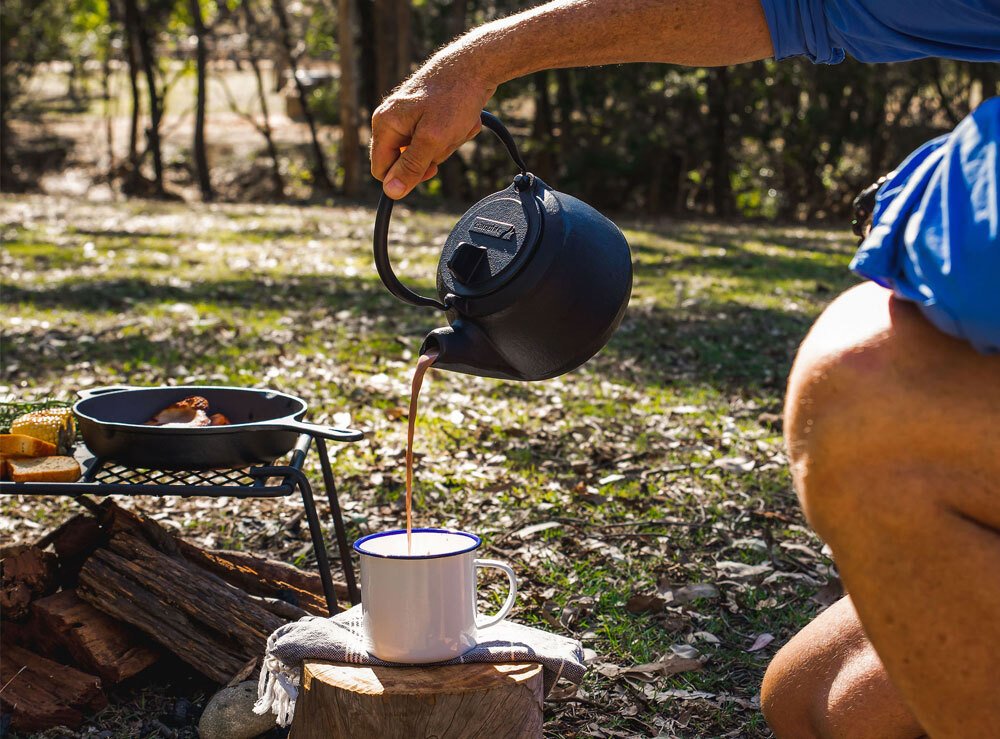
Setting Up a Safe and Efficient Outdoor Kitchen
Safety and efficiency are top priorities when cooking without electricity. Here are some guidelines to follow:
- Choose a Safe Location: Set up your cooking area away from tents, dry brush, and other flammable materials. Ensure good ventilation and a flat, stable surface.
- Fire Management: Always have water or a fire extinguisher nearby. Never leave a fire unattended, and fully extinguish it after use.
- Organize Your Workspace: Keep utensils, ingredients, and fuel within easy reach. Use containers to protect food from pests and the elements.
- Waste Disposal: Pack out all trash and food scraps. Leave no trace to protect the environment and wildlife.
Efficiency can be improved by planning meals in advance, prepping ingredients at home, and using multi-purpose tools. Thermal cookers and insulated containers can keep food hot for hours, reducing the need for constant fuel use.
Traditional Methods and Modern Innovations
Many off grid meal preparation systems draw inspiration from traditional cooking methods. For example, kettle cooking over an open fire has roots in cultures around the world. Modern materials and designs have made these systems lighter, safer, and more efficient, but the core principles remain the same.
For a deeper look at how cooking technology has evolved, the article on the evolution of cooking vessels provides valuable insights into the transition from ancient pots to today’s portable cookware.
Solar cookers represent a significant innovation, allowing you to prepare meals using only sunlight. While they require clear skies and patience, they are an excellent option for sustainable, fuel-free cooking. Rocket stoves, on the other hand, maximize heat output while minimizing fuel consumption and smoke, making them ideal for both emergency preparedness and daily use in remote areas.
Meal Planning and Food Storage for Off Grid Living
Effective meal planning is essential when cooking without modern conveniences. Here are some strategies to help you stay organized and well-fed:
- Choose Shelf-Stable Ingredients: Opt for dried beans, rice, pasta, canned goods, and dehydrated vegetables. These items store well and require minimal refrigeration.
- Pre-Prepare Meals: Chop vegetables, marinate meats, and portion ingredients before heading off grid. This reduces prep time and simplifies cooking.
- Use Multi-Use Recipes: Stews, soups, and one-pot meals are ideal for off grid setups. They maximize nutrition and minimize cleanup.
- Store Food Safely: Use coolers, insulated bags, or natural refrigeration (such as streams or snow) to keep perishables fresh as long as possible.
Rotating your food stock and practicing recipes at home can help you become more confident in your outdoor cooking abilities. Remember to pack spices and condiments to enhance flavor and variety.
Maintaining and Cleaning Your Cooking Equipment
Proper care extends the life of your off grid meal preparation systems. Here are some maintenance tips:
- Clean After Each Use: Remove food residue and ash from cookware and stoves. Avoid using soap on cast iron; instead, scrub with hot water and a brush.
- Season Cast Iron: Regularly apply a thin layer of oil to prevent rust and maintain a non-stick surface.
- Inspect for Damage: Check for cracks, warping, or loose parts before and after each trip.
- Store Properly: Keep gear dry and protected from the elements to prevent corrosion and wear.
Investing in quality care products, such as seasoning oils and cleaning brushes, can make maintenance easier and more effective. This simple routine ensures your equipment is always ready for the next adventure.
Frequently Asked Questions
What is the most reliable off grid cooking method?
Open fire cooking is the most universally reliable method, as it requires only basic fuel like wood or charcoal. However, portable stoves and rocket stoves offer greater efficiency and control, especially in challenging weather conditions.
Can I use cast iron cookware on all types of off grid stoves?
Yes, cast iron is compatible with open fires, portable stoves, and rocket stoves. Its durability and heat retention make it a favorite for outdoor cooking. Just be sure to maintain it properly to prevent rust and preserve its non-stick qualities.
How do I ensure food safety when cooking off grid?
Store perishable foods in coolers or insulated containers, cook meats to safe internal temperatures, and use clean water for cooking and cleaning. Practice good hygiene and pack out all waste to prevent contamination.


