
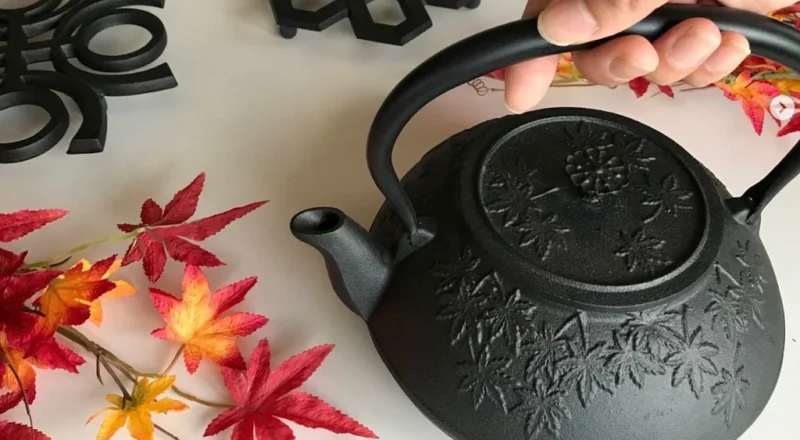
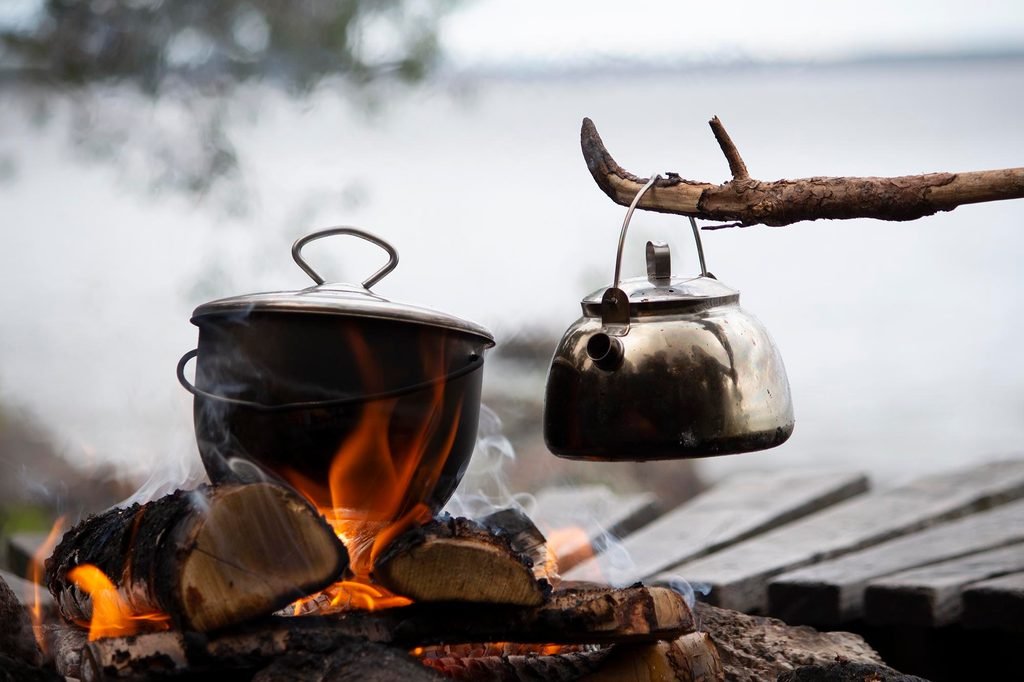
Hungarian kettle cooking is a centuries-old tradition that brings people together around an open fire, blending rustic techniques with rich flavors. The heart of this style is the bogrács, a round-bottomed metal kettle suspended over flames, where stews, soups, and goulash simmer to perfection. Whether you’re a culinary enthusiast or simply curious about Eastern European food culture, exploring these methods offers a window into Hungary’s communal spirit and culinary ingenuity.
Gathering outdoors to cook in a kettle is more than just preparing a meal—it’s a celebration of heritage, hospitality, and the art of slow cooking. The bogrács is not just a vessel; it’s a symbol of togetherness, with recipes passed down through generations. If you’re interested in how these traditions connect to other cultures, you might enjoy reading about cultural kettle cooking traditions from around the world.
The Origins and Culture of Bogrács Cooking
The roots of kettle cooking in Hungary stretch back to the nomadic Magyars, who traveled the Carpathian Basin with their iron pots. Over time, this method evolved, becoming a staple of rural life and festive gatherings. The bogrács, typically made of cast iron or copper, is designed for even heat distribution and durability—qualities that make it ideal for outdoor cooking over wood fires.
Today, preparing meals in a bogrács is a cherished social event. Friends and families gather in gardens, parks, or riversides, sharing stories while tending to the kettle. This communal aspect is a hallmark of outdoor hospitality traditions, reflecting the importance of food in bringing people together. For more insights into these customs, see the article on outdoor hospitality traditions.
Essential Equipment for Traditional Hungarian Kettle Cooking
To experience authentic bogrács cooking, you’ll need a few key items:
- Bogrács Kettle: Traditionally made from cast iron or copper, available in various sizes for small or large gatherings.
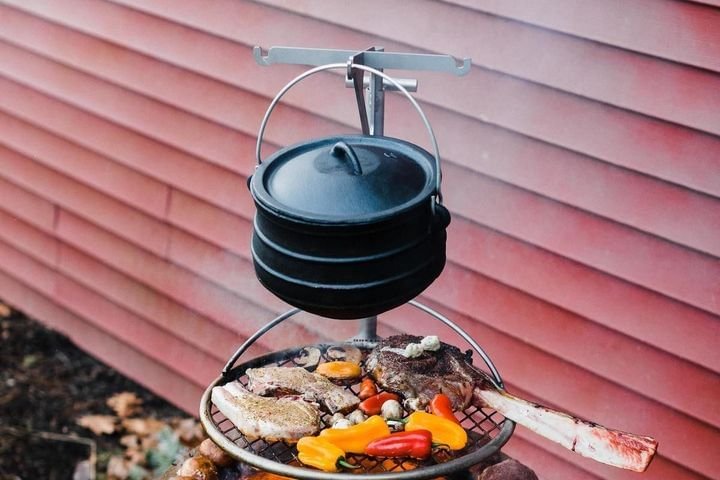
- Tripod Stand: A sturdy metal frame to suspend the kettle over an open fire.
- Firewood: Hardwood is preferred for steady, long-lasting heat and a subtle smoky flavor.
- Ladle and Stirring Spoon: Long-handled utensils are essential for safely stirring and serving from the hot kettle.
Proper care and seasoning of your kettle are crucial for longevity and flavor. For tips on maintaining cast iron cookware, you can refer to this comprehensive guide to cast iron cooking and care.
Classic Hungarian Kettle Recipes to Try
There are countless dishes prepared in a bogrács, but a few stand out as icons of Hungarian cuisine. Here are some of the most beloved recipes:
Gulyásleves (Hungarian Goulash Soup)
- Beef (chuck or shank), cut into cubes
- Onions, finely chopped
- Paprika (sweet Hungarian variety)
- Carrots, potatoes, and parsnips
- Green peppers and tomatoes
- Salt, pepper, and caraway seeds
Begin by sautéing onions in a bit of fat directly in the kettle. Add beef and brown it, then stir in paprika and vegetables. Cover with water and simmer slowly over the fire, allowing the flavors to meld. Goulash soup is hearty, aromatic, and perfect for sharing.
Halászlé (Fisherman’s Soup)
- Fresh river fish (carp, catfish, or perch)
- Onions, sliced
- Hungarian paprika
- Green peppers and tomatoes
- Salt and hot paprika (optional)
This fiery red soup is a favorite along the Danube and Tisza rivers. Fish heads and bones are simmered with vegetables and paprika to create a rich broth, then strained. Fish fillets are added and cooked briefly before serving. Halászlé is best enjoyed with crusty bread and a group of friends.
Pörkölt (Hungarian Stew)
- Pork, beef, or lamb, cut into chunks
- Onions and garlic
- Paprika and black pepper
- Green peppers and tomatoes
- Optional: mushrooms or potatoes
Pörkölt is a thick, savory stew cooked slowly in the kettle. The process is similar to goulash, but with less liquid and a more concentrated flavor. Serve with nokedli (Hungarian dumplings) or boiled potatoes for a satisfying meal.
Tips for Mastering Outdoor Kettle Cooking
Success with bogrács recipes depends on patience and attention to detail. Here are some practical tips:
- Control the Fire: Keep the flames moderate and steady. Too much heat can scorch the food, while too little will slow cooking.
- Layer Flavors: Add ingredients in stages, starting with onions and meat, then spices, followed by vegetables. This builds depth and complexity.
- Stir Regularly: Use a long-handled spoon to prevent sticking and ensure even cooking.
- Season Gradually: Taste as you go and adjust salt, paprika, and pepper to your preference.
- Embrace Simplicity: Traditional recipes use minimal ingredients, letting the quality of the produce and spices shine.
For those interested in the broader history of cast iron and metal cookware, the article on metal casting history provides fascinating context.
Preserving and Sharing Hungarian Kettle Traditions
Cooking over an open fire in a bogrács is more than a culinary technique—it’s a living tradition that connects people to their roots. Many families pass down their kettles and recipes, keeping the spirit of community alive. Festivals and competitions across Hungary celebrate these dishes, inviting both locals and visitors to experience the warmth and flavor of outdoor kettle meals.
For those curious about how these methods compare to neighboring regions, the article on Eastern European kettle cooking explores related stews and customs.
Frequently Asked Questions
What is the difference between goulash and pörkölt?
Goulash is a soup-like dish with more liquid, typically featuring beef, vegetables, and paprika. Pörkölt is a thicker stew, often made with pork or beef, and has a richer, more concentrated flavor due to less broth.
Can I use a modern cast iron pot instead of a traditional bogrács?
Yes, a modern cast iron Dutch oven or pot can be used for these recipes if you don’t have access to a traditional bogrács. The key is to cook over an open flame and use the same layering and simmering techniques.
How do I care for my kettle after cooking?
After each use, clean your kettle with warm water and a brush (avoid soap if it’s cast iron). Dry thoroughly and apply a thin layer of oil to prevent rust. For more detailed advice, see the guide to cast iron care.
Are there vegetarian recipes suitable for kettle cooking?
Absolutely. Many Hungarian vegetable stews, such as lecsó (a pepper and tomato stew), can be prepared in a bogrács. Simply omit the meat and add extra vegetables or beans for protein.
Conclusion
Embracing Hungarian kettle cooking is a rewarding way to explore history, culture, and the joy of communal meals. With a simple kettle, fresh ingredients, and a bit of patience, anyone can recreate these classic flavors and traditions. Whether you’re hosting a backyard gathering or seeking to connect with your heritage, the bogrács offers a delicious and memorable experience.
For further reading on how our ancestors prepared and served food, visit the article on historic food serving methods.


