
The daily life of early American settlers was shaped by the tools they used to prepare food. Colonial era cooking equipment was both practical and resourceful, designed to meet the challenges of cooking in a new land with limited resources. Meals were often cooked over open hearths, using iron, brass, and clay implements that required skill and patience. Understanding these historical tools not only offers a glimpse into the past but also highlights the ingenuity of those who built the foundation of American culinary traditions.
From cast iron kettles to wooden utensils, the kitchenware of the 17th and 18th centuries reflected the settlers’ need for durability and versatility. Many of these items have influenced modern cookware, and their legacy can still be seen in today’s kitchens. For those interested in the broader context of food history, exploring historic food serving methods provides additional insights into how meals were shared and enjoyed during this era.
The Open Hearth: Centerpiece of Colonial Kitchens
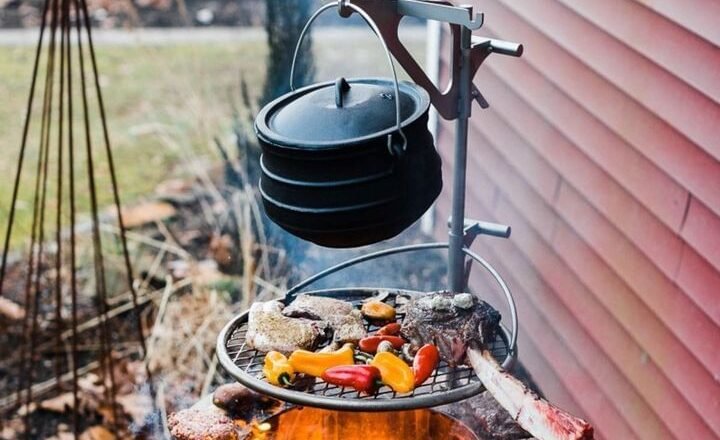
At the heart of every colonial home was the open hearth. This large fireplace was more than a source of warmth; it was the primary place for preparing meals. The hearth’s design allowed for multiple cooking methods, from boiling and roasting to baking and frying. Settlers used an array of colonial era cooking equipment to make the most of this central feature.
- Hanging Pots and Kettles: Iron pots and kettles were suspended from adjustable hooks or cranes, making it possible to control the heat by moving them closer or farther from the flames.
- Spits and Grills: Roasting meat was accomplished with spits, which could be turned by hand or with a simple mechanical device called a clock jack. Grills and gridirons allowed for direct cooking over coals.
- Dutch Ovens: These heavy, lidded pots could be placed directly in the coals or hung over the fire, ideal for baking bread or stewing meats.
Managing the fire and coordinating several dishes at once required experience. The open hearth demanded constant attention, as temperature control was achieved by shifting embers and adjusting the position of cookware.
Essential Tools and Utensils of Early American Kitchens
Beyond the hearth itself, a variety of tools made food preparation possible. The most common materials were iron, copper, brass, and wood, each chosen for its specific properties. Here are some of the most important items found in colonial kitchens:
- Skillets and Frying Pans: Made of cast iron, these pans were used for frying, sautéing, and even baking. Their sturdy construction allowed them to withstand direct heat.
- Mortars and Pestles: Grinding spices, grains, and herbs was a daily task. Stone or wooden mortars and pestles made this possible without electricity.
- Ladles and Spoons: Wooden or metal spoons and ladles were essential for stirring stews, serving soups, and transferring hot liquids.
- Bread Peel: A flat wooden paddle used to slide bread and pies into and out of the oven, protecting hands from the heat.
- Butter Churns and Cheese Presses: Dairy products were made at home, requiring specialized equipment for churning butter and pressing cheese.

Cast Iron: The Backbone of Colonial Cooking
Among all the materials used, cast iron cookware was especially prized for its durability and heat retention. Early settlers relied on cast iron pots, pans, and kettles for nearly every aspect of meal preparation. These items could last for generations if properly cared for, and many families passed them down as treasured heirlooms.
Maintaining cast iron required regular seasoning to prevent rust and ensure a nonstick surface. For those interested in traditional methods, this guide to seasoning a cast iron kettle explains the process in detail. Proper care was essential, as a well-seasoned pot could be used for everything from frying eggs to simmering stews over an open flame.
Cast iron’s versatility extended beyond the home. Travelers, soldiers, and pioneers often carried small skillets or kettles, allowing them to cook over campfires wherever they went. The legacy of these tools continues today, with many outdoor enthusiasts embracing cast iron for its reliability and connection to the past. For a deeper look at how communal cooking shaped social bonds, see the article on outdoor hospitality traditions.
Baking and Bread Making in Colonial Times
Baking bread was a daily ritual for many families. Without modern ovens, settlers relied on bake kettles, Dutch ovens, and brick ovens built into the hearth. These methods required careful management of heat and timing.
- Bake Kettles: With a tight-fitting lid and legs to stand above the coals, these pots allowed for baking bread, pies, and cakes right in the fireplace.
- Brick Ovens: Some homes featured built-in brick ovens, which were heated by burning wood inside, then sweeping out the ashes before baking.
- Bread Trays and Peels: Wooden trays and peels made it easier to handle dough and finished loaves without burning hands.
Colonial bread was typically made from wheat, rye, or cornmeal, depending on what was available. The process was labor-intensive but resulted in hearty, nourishing loaves that sustained families through harsh winters and long days of work.
Preserving Food: Tools for Survival
Preservation was vital for early settlers, especially during winter months when fresh food was scarce. Colonial era cooking equipment included items designed specifically for storing and preserving food:
- Large Kettles: Used for boiling fruit into jams and jellies or rendering animal fat for storage.
- Earthenware Jars: Clay jars and crocks provided airtight storage for pickles, salted meats, and fermented foods.
- Drying Racks: Herbs, fruits, and meats were dried on wooden racks near the hearth or in the sun.
- Cheesecloth and Presses: Essential for making and storing cheese, a staple in many households.
These preservation methods required patience and attention to detail, but they ensured a steady food supply throughout the year. The ability to store food safely was a key factor in the survival and success of early communities.
Influence on Modern Cooking and Cultural Traditions
The legacy of colonial kitchenware can be seen in many modern practices. Cast iron skillets, Dutch ovens, and wooden utensils remain popular for their durability and performance. The communal aspect of cooking—gathering around a fire, sharing tasks, and enjoying meals together—continues in traditions like backyard barbecues and campfire cooking. For those interested in how kettle cooking has evolved across cultures, the article on cultural kettle cooking traditions offers a global perspective.
Many of the techniques developed by early settlers, such as slow cooking and baking with radiant heat, are still valued today. The emphasis on resourcefulness, sustainability, and community remains relevant, reminding us of the enduring connection between food and daily life.
Frequently Asked Questions
What materials were most colonial cooking tools made from?
Most tools were crafted from cast iron, copper, brass, and wood. Cast iron was especially valued for its ability to withstand high heat and last for generations, while wood was used for utensils and handles due to its availability and ease of shaping.
How did early settlers bake bread without modern ovens?
Bread was baked using Dutch ovens, bake kettles, and brick ovens built into the hearth. These methods relied on radiant heat from coals or preheated bricks, requiring careful timing and skill to produce evenly baked loaves.
How did colonial families preserve food for winter?
Preservation techniques included boiling fruits for jams, salting and smoking meats, fermenting vegetables in earthenware jars, and drying herbs and fruits on racks. Specialized equipment like large kettles, cheese presses, and airtight crocks made these methods possible.


