
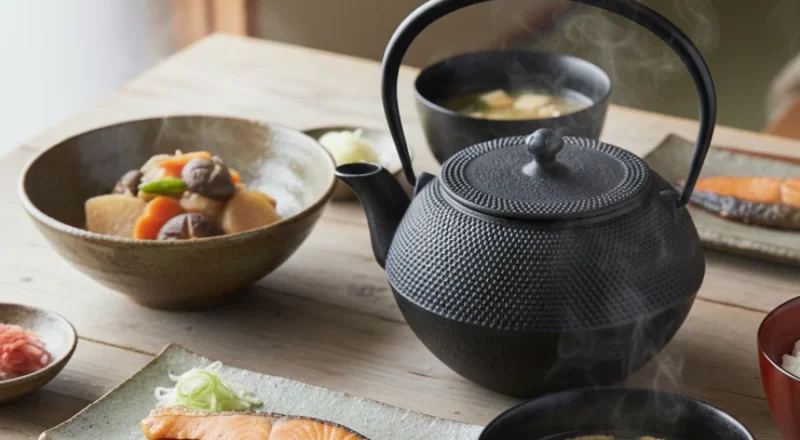
Cast iron cookware is known for its durability and ability to deliver even heat, making it a favorite in kitchens around the world. However, even the toughest pans and kettles can develop cracks if not cared for properly. Cast iron crack prevention is essential for anyone who wants their cookware to last for generations. This guide explains the causes of cracking, offers practical steps to avoid damage, and highlights the best maintenance habits for preserving your investment.
Understanding how to keep your cast iron in top condition not only extends its lifespan but also ensures consistent cooking results. Whether you’re a seasoned collector or just starting with your first skillet, learning the right techniques can save you from costly replacements and disappointing meals.
Cast iron’s story is deeply connected to the evolution of cooking vessels, with centuries of use shaping the way we cook today. By understanding both its history and care requirements, you can enjoy reliable performance and preserve the unique character of your cookware.
Why Cast Iron Cracks: Common Causes and Risk Factors
Despite its reputation for strength, cast iron is actually quite brittle compared to other metals. The most common causes of cracks include:
- Thermal shock: Rapid temperature changes, such as rinsing a hot pan with cold water, can cause the metal to contract unevenly and crack.
- Physical impact: Dropping or banging your cookware can create stress points that eventually lead to fractures.
- Manufacturing flaws: Air bubbles or uneven casting during production can weaken the structure, making it more susceptible to damage.
- Neglect and improper storage: Leaving cast iron in damp environments or stacking heavy objects on top can stress the material over time.
Recognizing these risk factors is the first step in cast iron crack prevention. With a few mindful habits, you can avoid the most common pitfalls that lead to damage.
Daily Habits for Cast Iron Crack Prevention
Consistent care is the foundation of long-lasting cookware. Here are essential daily practices to keep your pans and kettles safe from cracks:
- Let cookware cool gradually: After cooking, allow your cast iron to return to room temperature before washing. Sudden temperature changes are a leading cause of cracks.
- Hand wash with warm water: Avoid using cold water on a hot pan. Instead, use warm water and a gentle scrubber to clean off food residue.
- Dry thoroughly: Moisture can cause rust, which weakens the metal over time. After washing, dry your cookware immediately with a towel or by placing it on a warm burner for a few minutes.
- Apply a thin layer of oil: Seasoning helps protect the surface and prevents moisture from seeping in. Use a small amount of neutral oil and wipe away any excess.
Advanced Maintenance: Long-Term Strategies for Crack-Free Cast Iron
Beyond daily habits, there are several advanced strategies that can further reduce the risk of cracks and keep your cookware performing at its best:
- Regular seasoning cycles: Occasionally bake your cookware with a thin layer of oil at high temperature. This builds up a resilient protective coating that guards against moisture and minor scratches.
- Inspect for early signs of damage: Look for hairline cracks, rust spots, or pitting. Addressing these issues early can prevent them from worsening.
- Store in a dry, stable environment: Humidity and stacking heavy items can stress cast iron. Store pans separately or use pan protectors to avoid accidental impact.
- Use appropriate utensils: Avoid metal tools that can chip the seasoning or create stress points. Opt for wood, silicone, or plastic utensils when possible.
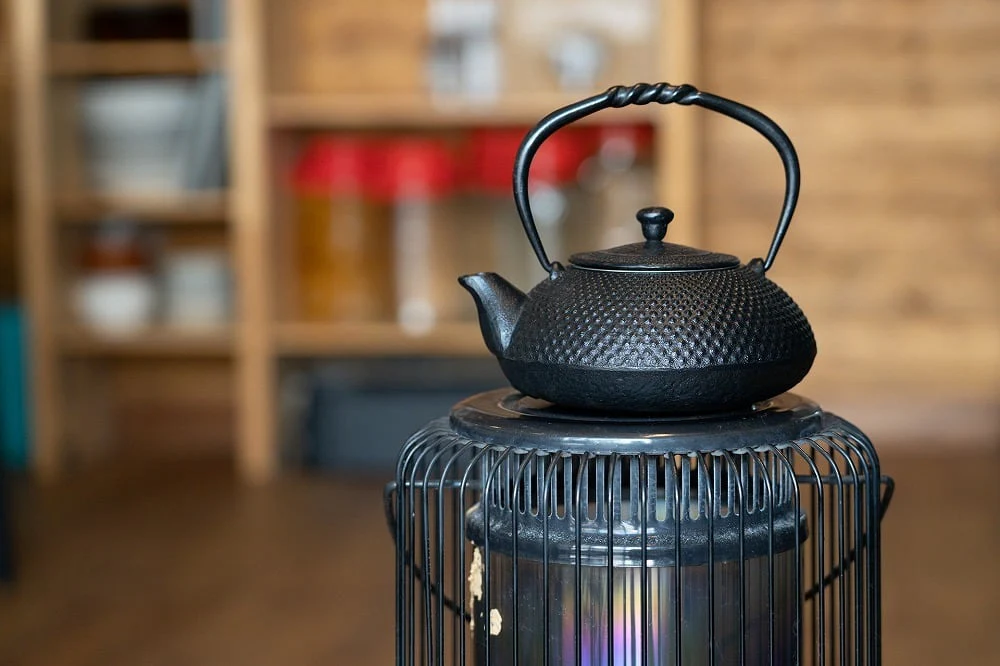
For those interested in the traditional side of cast iron care, exploring resources like this guide to iron kettles and teapots can offer additional insights into maintenance and cultural practices.
What to Avoid: Mistakes That Lead to Cracks
Even experienced cooks sometimes make mistakes that put their cast iron at risk. Here are some common errors to avoid:
- Placing hot cookware in cold water: This causes rapid contraction and can result in a sudden crack.
- Using harsh detergents or dishwasher cycles: These can strip away seasoning and expose the metal to moisture and corrosion.
- Leaving food or water in the pan overnight: Prolonged exposure to moisture can weaken the structure and encourage rust.
- Cooking acidic foods frequently: Tomatoes, vinegar, and citrus can erode the seasoning if not properly maintained.
By steering clear of these pitfalls, you’ll significantly reduce the risk of damage and extend the life of your cookware.
Comparing Cast Iron to Other Traditional Cookware
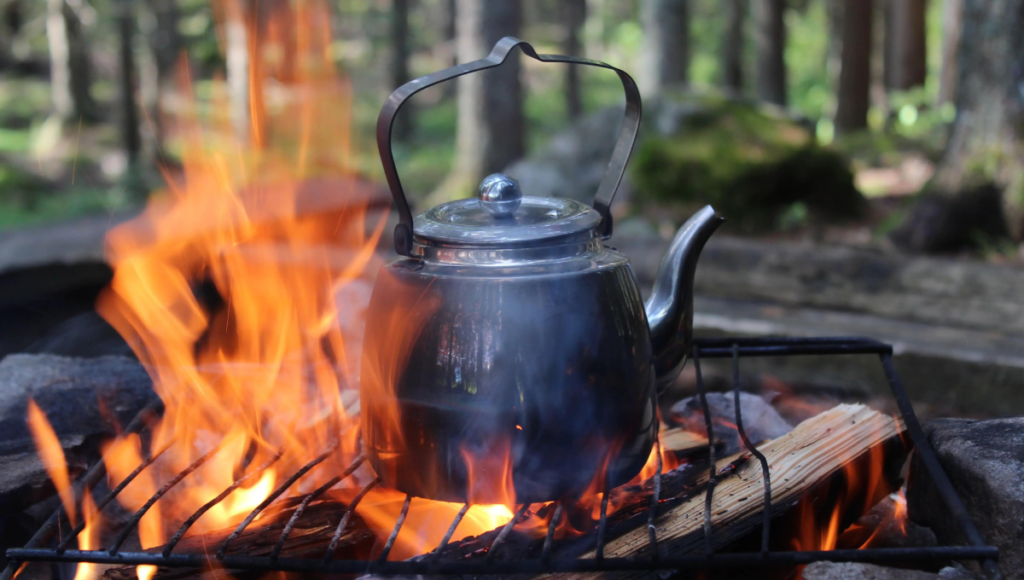
Understanding how cast iron compares to other materials can help you appreciate its unique strengths and vulnerabilities. While cast iron is more brittle than stainless steel or aluminum, it offers superior heat retention and develops a natural nonstick surface with proper care. For those interested in outdoor or rustic cooking, exploring topics like cowboy cooking equipment can provide context on why cast iron remains a staple for open-fire meals.
Other traditional materials, such as clay or copper, have their own care requirements and risks. However, few offer the same combination of durability, versatility, and flavor development as well-maintained cast iron.
FAQ: Cast Iron Crack Prevention and Care
How can I tell if my cast iron is developing a crack?
Early signs include visible hairline fractures, a change in the sound when tapped (a dull thud instead of a clear ring), or leaks in the case of kettles. Inspect your cookware regularly and address any issues promptly to prevent further damage.
Is it safe to use cast iron with a small crack?
Minor cracks may not affect performance immediately, but they can worsen over time, especially with exposure to heat and moisture. For safety and longevity, it’s best to retire cookware with significant cracks or consult a professional for repair options.
What is the best way to season cast iron for long-term protection?
Apply a thin layer of neutral oil (such as flaxseed or grapeseed) to the entire surface, then bake the cookware upside down in an oven at 400°F (200°C) for an hour. Allow it to cool in the oven. Repeat this process a few times for a strong, resilient coating that helps prevent cracks and rust.
Can I repair a cracked cast iron pan?
While minor chips or surface cracks can sometimes be stabilized, major fractures are difficult to repair at home. Welding is possible but requires specialized equipment and expertise. In most cases, replacing the pan is the safest option.
Conclusion: Protecting Your Cast Iron for Years to Come
With the right habits and a little attention, cast iron crack prevention becomes a simple part of your cooking routine. By avoiding thermal shock, maintaining seasoning, and storing your cookware properly, you can enjoy reliable performance and preserve a piece of culinary history. Whether you’re preparing rustic outdoor feasts or everyday meals at home, well-cared-for cast iron will reward you with years of dependable service.


