
For many enthusiasts, the thrill of discovering collectible cast iron pieces at flea markets is unmatched. These timeless objects—ranging from cookware to decorative items—offer a tangible connection to history, craftsmanship, and culinary tradition. Whether you’re a seasoned collector or just starting out, knowing how to identify valuable finds can make your next flea market visit far more rewarding.
In this guide, we’ll explore how to spot authentic vintage cast iron, what features to prioritize, and how to avoid common pitfalls. Along the way, you’ll find tips on evaluating condition, understanding markings, and caring for your acquisitions. If you’re interested in the broader context of cast iron’s role in history, you might enjoy reading about metal casting history for a deeper appreciation of these objects’ origins.
Why Vintage Cast Iron Remains Popular
There’s a reason why vintage cast iron cookware and decorative items continue to attract collectors and home cooks alike. These pieces are known for their durability, heat retention, and unique patina that develops with age and use. Beyond function, many are drawn to the stories behind each item—whether it’s a skillet passed down through generations or a kettle used in traditional cultural kettle cooking traditions from around the world.
Collectors also appreciate the artistry involved in older manufacturing processes. Unlike modern mass-produced cookware, many older cast iron items were crafted with care, featuring intricate designs, logos, and a smooth finish that’s hard to replicate today.
Identifying Authentic Collectible Cast Iron Pieces
When browsing flea markets, distinguishing genuine vintage cast iron from reproductions or modern pieces is essential. Here are some key features to look for:
- Weight and Feel: Older cast iron tends to be slightly lighter and smoother than modern counterparts, thanks to refined casting techniques.
- Markings and Logos: Look for manufacturer’s marks, foundry logos, or pattern numbers. Brands like Griswold, Wagner, and Lodge are especially sought after. These markings are usually found on the bottom or underside of cookware.
- Surface Texture: Authentic vintage pieces often have a glassy-smooth cooking surface, the result of meticulous polishing during production. Reproductions may feel rough or grainy.
- Gate Marks: Early cast iron (pre-1900) may show a raised line or “gate mark” from the casting process. While not always present, this can be a clue to age.
Don’t hesitate to pick up and examine items closely. If possible, ask sellers about the piece’s history or provenance.

Types of Collectible Cast Iron to Seek Out
Not all cast iron is created equal. Some categories are especially prized by collectors and can command higher prices. Here are a few to keep an eye out for:
- Skillets and Frying Pans: Classic, versatile, and often marked with distinctive logos or numbers. Early Griswold and Wagner skillets are among the most collectible.
- Kettles and Dutch Ovens: These larger pieces, sometimes with ornate handles or legs, are valued for both function and display. They also connect to Eastern European kettle cooking traditions.
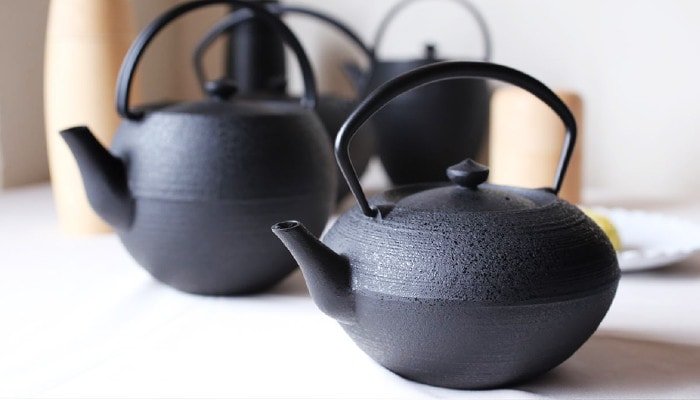
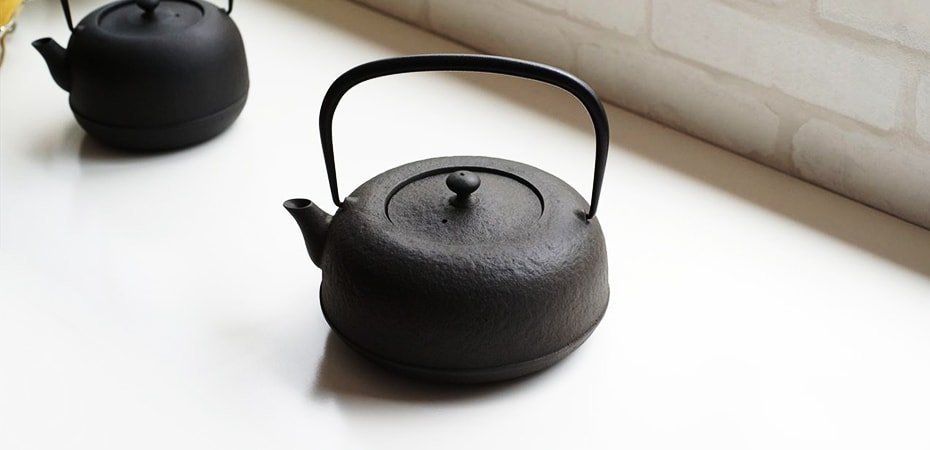
- Teapots and Tetsubin: Japanese cast iron teapots, known as tetsubin, are admired for their craftsmanship and aesthetic appeal.
- Griddles and Waffle Irons: Unique shapes and patterns make these items stand out. Some feature reversible designs or intricate molds.
- Decorative Items: Doorstops, trivets, and figurines were often produced in limited runs and can be highly collectible.
When considering a purchase, think about your collecting goals—whether you’re after functional cookware, display pieces, or rare finds.
Evaluating Condition and Value
Condition plays a major role in determining the value of collectible cast iron pieces. Here’s what to assess before making a purchase:
- Rust: Light surface rust is common and can usually be removed with proper cleaning. However, deep pitting or flaking may compromise integrity.
- Cracks and Warping: Always inspect for hairline cracks, especially around the handle or base. Warped cookware may not sit flat, affecting usability.
- Repairs or Modifications: Welds, patches, or drilled holes can reduce value. Authentic, unaltered pieces are generally more desirable.
- Seasoning: A well-seasoned pan will have a dark, semi-glossy finish. Sticky or uneven coatings may indicate improper care.
If you’re unsure about restoration, consider investing in a care kit. Proper maintenance not only preserves value but also enhances performance.
Tips for Successful Flea Market Hunting
Finding the best vintage cast iron at flea markets requires patience, knowledge, and a bit of luck. Here are some practical tips:
- Arrive Early: The best pieces often go quickly. Early birds get first pick of high-quality items.
- Bring Cash: Many vendors prefer cash and may be more willing to negotiate on price.
- Negotiate Respectfully: Don’t be afraid to haggle, but do so politely. Knowledge of typical values can help you make fair offers.
- Inspect Carefully: Take your time examining each piece. Don’t be rushed by crowds or sellers.
- Ask Questions: Vendors may know the item’s history or offer insights into its origin.
- Research Beforehand: Familiarize yourself with common markings, brands, and values. Resources like collector’s guides and online forums are invaluable.
For those interested in the social side of cast iron collecting, exploring outdoor hospitality traditions can provide inspiration for using your finds in communal settings.
Cleaning and Caring for Your Finds
Proper care is essential for maintaining both the beauty and function of your cast iron. Here’s a quick overview:
- Initial Cleaning: Remove any surface rust with steel wool or a stiff brush. Avoid harsh chemicals.
- Seasoning: Apply a thin layer of oil and bake the piece in the oven to build up a protective coating. This process enhances nonstick properties and prevents rust.
- Regular Maintenance: After each use, rinse with hot water and dry thoroughly. Reapply oil as needed.
For a more detailed explanation of techniques and best practices, check out this comprehensive guide to cooking with enameled cast iron cookware.
Frequently Asked Questions
How can I tell if a cast iron piece is truly vintage?
Look for manufacturer’s markings, smooth surfaces, and signs of hand-finishing. Older items may have gate marks or unique logos. Familiarizing yourself with common brands and their characteristics is key.
Is it safe to use old cast iron cookware for cooking?
Yes, as long as the piece is free of cracks and properly cleaned and seasoned. Many collectors actively use their vintage cookware, enjoying both its function and history.
What should I avoid when buying cast iron at flea markets?
Avoid items with deep pitting, cracks, or obvious repairs. Be cautious of pieces that feel unusually heavy or rough, as these may be reproductions or poorly made modern versions.
Conclusion
Searching for collectible cast iron pieces at flea markets is a rewarding pursuit that combines history, craftsmanship, and practical value. By learning how to identify authentic items, understanding what makes certain pieces desirable, and maintaining your finds with care, you can build a collection that lasts for generations. Whether you’re drawn to skillets, kettles, or decorative objects, each discovery adds a new chapter to your own culinary and collecting journey.


