
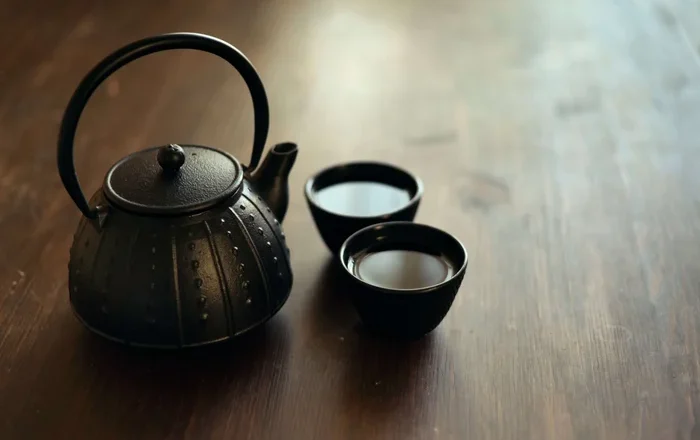
Mastering cooking over suspended pots is a rewarding way to prepare meals outdoors, blending tradition with practicality. This approach, rooted in centuries of open-fire cuisine, offers a unique flavor and experience that modern stoves can’t replicate. Whether you’re camping, exploring historical cooking methods, or simply enjoying a backyard fire, understanding the right techniques and equipment is essential for safe and delicious results.
Suspending a pot over an open flame allows for excellent heat control and versatility, making it possible to simmer stews, boil water, or even bake bread in the wild. Before diving into the practical steps, it’s helpful to learn about the origins and cultural significance of this method. For those interested in the heritage behind these practices, exploring eastern european kettle cooking reveals how communities have perfected suspended pot meals over generations.
Essential Equipment for Open Fire Cooking
To get started with cooking over suspended pots, you’ll need a few key pieces of gear. The most important is a sturdy tripod or crossbar system, which supports the pot above the flames. Cast iron kettles or Dutch ovens are ideal, as they retain heat well and distribute it evenly. Chains or adjustable hooks allow you to raise or lower the pot, giving you precise control over cooking temperature.
When selecting your cookware, durability and safety are top priorities. Cast iron is a classic choice, but it requires proper care to prevent rust and maintain its nonstick surface. For a comprehensive overview of cast iron maintenance, check out this introduction to cast iron cookware for beginners.
- Tripod or crossbar: Provides stable support for your pot.
- Cast iron pot: Withstands high heat and open flames.
- Adjustable chain or hook: Allows for height adjustment and temperature control.
- Fire-resistant gloves: Protect your hands while handling hot equipment.
- Long-handled utensils: Stir and serve safely from a distance.
Setting Up Your Suspended Pot Cooking Station
Choosing the right location and setup is crucial for both safety and efficiency. Begin by selecting a flat, open area away from overhanging branches and dry grass. Clear a space for your fire pit, ensuring it’s large enough to accommodate your tripod or crossbar. Build a stable fire ring with rocks if necessary, and keep water or sand nearby for emergencies.
Assemble your tripod or crossbar over the fire pit, making sure it’s secure and won’t tip over. Attach your pot using a chain or hook, and adjust the height so the bottom of the pot sits a safe distance above the flames. This setup allows you to control the intensity of the heat by raising or lowering the pot as needed.
Managing Fire and Heat for Suspended Pot Meals
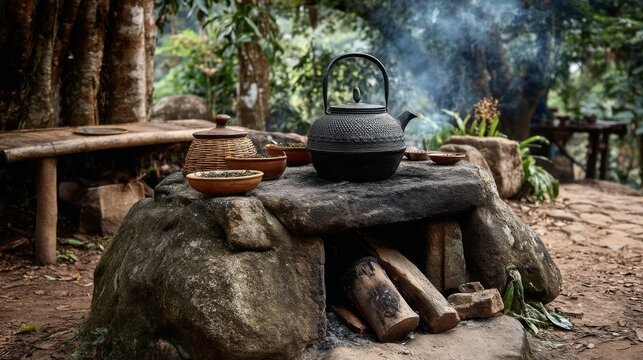
One of the biggest advantages of open fire suspended pot cooking is the ability to fine-tune your heat source. Start with a small fire and gradually build it up, using hardwoods like oak or maple for a steady, long-lasting burn. Avoid softwoods, which can produce excess smoke and burn too quickly.
Once your fire has established a good bed of coals, position your pot above the center. For simmering stews or soups, keep the pot higher to avoid scorching. For boiling or rapid cooking, lower it closer to the flames. Adjust the pot’s height as needed throughout the process, and add wood to maintain a consistent temperature.
Here are some tips for effective heat management:
- Use a lid to retain heat and prevent ash from entering the pot.
- Rotate the pot occasionally for even cooking.
- Monitor the fire and adjust wood placement to avoid flare-ups.
- Keep a shovel or poker handy to move coals and control heat zones.
Popular Dishes and Recipe Ideas for Hanging Pots
Meals prepared over a suspended pot are often hearty and flavorful, drawing inspiration from traditional outdoor cooking. Classic recipes include stews, soups, porridges, and even slow-cooked meats. The gentle, even heat from the fire allows flavors to develop fully, making these dishes especially satisfying after a day outdoors.
Some favorite options include:
- Goulash: A rich Hungarian stew made with beef, paprika, and vegetables.
- Chili: Beans, tomatoes, and spices simmered to perfection.
- Campfire bread: Simple dough cooked in a Dutch oven for a rustic loaf.
- Oatmeal or porridge: Breakfast classics that benefit from slow, even heat.
For those interested in the global heritage of these dishes, the article on cultural kettle cooking traditions provides a fascinating look at how different cultures approach open-fire meals.

Safety Tips for Cooking Over Open Flames
While preparing meals over a fire is enjoyable, safety should always come first. Here are some best practices to keep in mind:
- Never leave a fire unattended, especially around children or pets.
- Keep flammable materials away from the cooking area.
- Use fire-resistant gloves and long-handled tools to avoid burns.
- Have water or a fire extinguisher nearby in case of emergencies.
- Extinguish the fire completely before leaving the site.
By following these guidelines, you can enjoy the process of outdoor cooking while minimizing risks.
Maintaining and Caring for Your Cast Iron Pot
Proper care is essential for keeping your cast iron pot in top condition. After each use, clean the pot with hot water and a brush—avoid soap, which can strip the seasoning. Dry thoroughly and apply a thin layer of oil to prevent rust. For stubborn residue, simmer water in the pot to loosen stuck-on food before scrubbing.
Regular maintenance ensures your cookware lasts for generations and delivers the best results every time. If you’re interested in the evolution of these vessels, the article on how pots changed through history provides valuable insights into their development and continued relevance.
Exploring the History and Culture of Suspended Pot Meals
The tradition of hanging pots over fire dates back thousands of years and is found in cultures worldwide. From medieval European feasts to nomadic steppe societies, this method has played a central role in communal cooking. The design of suspended pots and their supports has evolved, but the core principles remain unchanged: harnessing open flames for slow, flavorful meals.
For a deeper dive into the craftsmanship and innovation behind these tools, the article on metal casting history explores how advances in metallurgy shaped cooking technology. Similarly, cooking vessel designs through history highlights the transition from clay to bronze and iron, reflecting the ingenuity of cooks across the ages.
Frequently Asked Questions
What is the best type of pot for hanging over a fire?
Cast iron is widely considered the best choice for suspended pot cooking. It distributes heat evenly, retains warmth, and withstands direct flames. Dutch ovens and traditional kettles are both excellent options.
How do I control the temperature when cooking over an open flame?
Adjust the height of the pot above the fire using a chain or hook. Raising the pot reduces heat, while lowering it brings it closer to the flames for more intense cooking. Managing the fire’s size and using a lid also help regulate temperature.
Can I use suspended pot techniques at home?
Yes, you can set up a safe fire pit in your backyard or use a portable tripod over a campfire. Always follow local fire regulations and safety guidelines to ensure a safe and enjoyable experience.


