
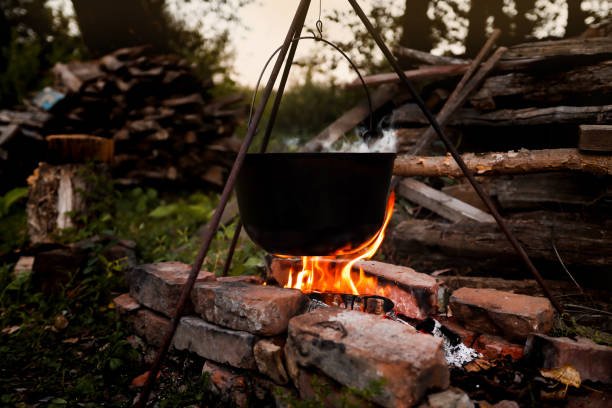
Finding the ideal kettle for outdoor cooking can make a significant difference in your camping or backyard experience. Whether you’re preparing coffee at sunrise, boiling water for a group meal, or simmering a stew over the fire, choosing the right kettle size ensures efficiency, safety, and satisfaction. The right capacity depends on your group size, cooking style, and the types of meals you plan to prepare. This article will guide you through the most important considerations, from understanding kettle capacities to evaluating materials and practical tips for both camping and backyard use.
For those interested in the cultural and social aspects of outdoor cooking, exploring outdoor hospitality traditions can offer additional inspiration and context for your next gathering around the fire.
Understanding Kettle Capacities for Outdoor Cooking
When it comes to selecting the right kettle size, the first step is to understand how kettle volume translates to real-world use. Kettles are typically measured in liters or quarts, with common sizes ranging from 0.5 liters (about 17 ounces) up to 5 liters (over 1.3 gallons) or more.
- Small kettles (0.5–1 liter): Best for solo campers or couples who need just enough hot water for tea, coffee, or a quick meal.
- Medium kettles (1.5–2.5 liters): Suitable for small groups or families, allowing you to boil water for several drinks or prepare simple one-pot dishes.
- Large kettles (3–5 liters): Ideal for group cooking, stews, or when you need to heat water for cleaning and other camp chores.
It’s important to remember that you should never fill a kettle to the brim, especially when heating over an open flame. Leave some space to prevent boiling over and ensure even heating.
Factors to Consider When Picking the Best Kettle Size
Several factors influence your decision when choosing a kettle for camping or backyard use. Consider these points before making your purchase:
- Group Size: The number of people you’re cooking for is the most significant factor. For solo trips, a small kettle is sufficient. For families or groups, opt for a larger capacity.
- Cooking Style: Are you only boiling water, or do you plan to cook soups, stews, or pasta? More complex meals often require a bigger kettle.
- Portability: Backpackers and hikers should prioritize lighter, compact kettles. Car campers or backyard cooks can afford to use heavier, larger models.
- Fuel Efficiency: Larger kettles take more time and fuel to heat. If you’re using limited fuel, a smaller kettle may be more practical.
- Material: Cast iron, stainless steel, aluminum, and titanium each have pros and cons regarding weight, heat retention, and durability. For a deep dive into material options, check out this comprehensive guide to cast iron cookware.
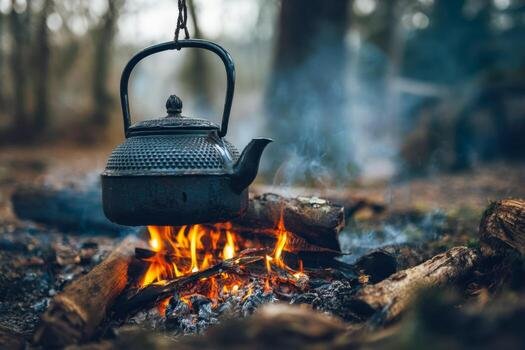
Comparing Kettle Sizes: Camping vs. Backyard Cooking
The ideal kettle for a backpacking trip may not be the best choice for a backyard gathering. Here’s how the requirements differ:
| Scenario | Recommended Kettle Size | Key Considerations |
|---|---|---|
| Solo Camping | 0.5–1 liter | Lightweight, compact, quick to heat |
| Family Camping | 1.5–3 liters | Enough for meals and drinks, manageable weight |
| Group/Backyard Gathering | 3–5 liters | Large volume, suitable for stews or communal meals |
For those interested in the historical and cultural context of kettle use, you might enjoy reading about cultural kettle cooking traditions from around the world.
Material Matters: How Construction Influences Kettle Choice
The material of your kettle affects its weight, heat distribution, and maintenance needs. Here are the most common options:
- Cast Iron: Excellent heat retention and even cooking, but heavy. Perfect for backyard or car camping. Requires seasoning and care.
- Stainless Steel: Durable, rust-resistant, and relatively lightweight. A good all-purpose choice.
- Aluminum: Lightweight and heats quickly but can dent easily. Some models have nonstick coatings.
- Titanium: The lightest option, ideal for ultralight backpackers, but often comes in smaller sizes and is more expensive.
Proper care extends the life of your kettle, especially for cast iron. Using a dedicated care kit helps maintain seasoning and prevents rust.
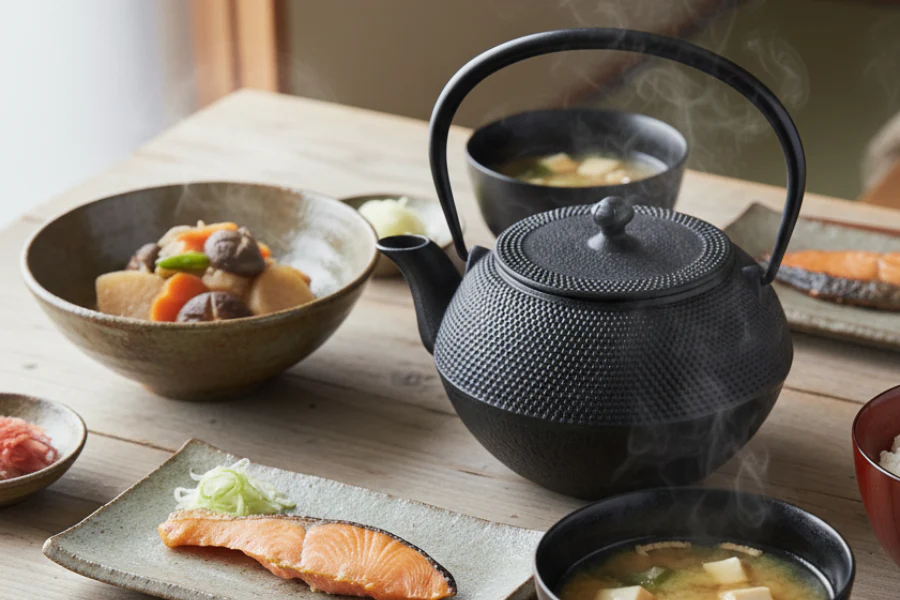
Practical Tips for Selecting the Perfect Kettle
Here are some actionable tips to help you make the best choice for your outdoor adventures:
- Estimate your average water or food needs per meal, then size up slightly for flexibility.
- If you’re uncertain, a 1.5–2 liter kettle is versatile for most situations.
- Look for kettles with sturdy handles and well-fitting lids for safety and ease of use.
- Consider packability—some kettles nest with other cookware or have folding handles for easier transport.
- For frequent group cooking, it may be worth owning two sizes: a small one for drinks and a larger one for meals.
Learning about Eastern European kettle cooking can also provide inspiration for the types of meals you might prepare in your new kettle, especially when cooking for a crowd.
Maintaining and Caring for Your Outdoor Kettle
Proper maintenance ensures your kettle lasts for many seasons. Here are some general care guidelines:
- Always dry your kettle thoroughly after use to prevent rust, especially for cast iron and steel models.
- Use a soft brush or non-abrasive sponge for cleaning. Avoid harsh detergents on seasoned cast iron.
- Store your kettle in a dry place. For cast iron, apply a thin layer of oil after cleaning to maintain seasoning.
- Check for dents or damage before each trip, particularly with lightweight aluminum or titanium kettles.
For more on the evolution of cookware and how different materials have shaped cooking methods, see this article on metal casting history.
Frequently Asked Questions
How do I estimate the right kettle capacity for my group?
Calculate roughly 0.5 liters (about 2 cups) per person for drinks or simple meals. For cooking stews or boiling water for cleaning, increase the capacity to 1–1.5 liters per person, especially for larger groups.
Is a larger kettle always better for camping?
Not necessarily. Larger kettles are heavier and take longer to heat, which can be inefficient for small groups or solo campers. Choose the smallest size that meets your needs to save space, weight, and fuel.
What is the best material for a camping kettle?
It depends on your priorities. Cast iron is durable and retains heat well but is heavy. Stainless steel offers a balance of durability and weight. Aluminum is lightweight and heats quickly, while titanium is best for ultralight backpackers. Each material has its own care requirements and advantages.


