
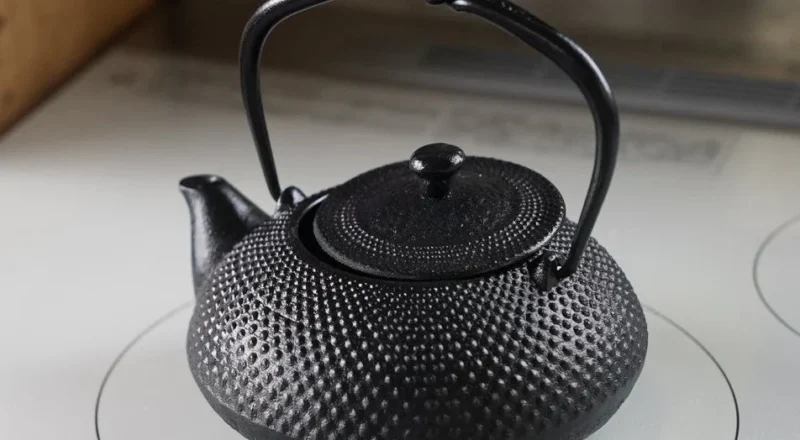
Metal vessels used outdoors—whether for cooking, serving, or display—are exposed to the elements and can quickly develop rust, corrosion, and other signs of wear if not properly cared for. Understanding the best practices for outdoor metal vessel maintenance helps ensure these items remain functional and attractive for years. This guide covers practical strategies to protect your iron, steel, or alloy vessels from the damaging effects of weather, moisture, and daily use.
Many outdoor enthusiasts and hosts appreciate the tradition and durability of metal cookware and serving pieces. If you’re interested in the cultural side of these traditions, you might enjoy reading about outdoor hospitality traditions and how shared meals around a campfire have shaped food culture worldwide.
Why Proper Care Matters for Outdoor Metal Vessels
Outdoor metal items are constantly exposed to rain, humidity, temperature swings, and even salt in the air. Without regular attention, these factors can lead to rust, pitting, and weakened structure. By following a consistent maintenance routine for outdoor metal vessels, you can:
- Extend the lifespan of your cookware, kettles, and serving pieces
- Maintain safe, hygienic surfaces for food preparation and serving
- Preserve the appearance and value of decorative or heirloom items
- Reduce the need for costly repairs or replacements
Whether you use a cast iron kettle over a campfire or display a decorative steel planter on your patio, a little preventative care goes a long way.
Common Types of Outdoor Metal Vessels and Their Vulnerabilities
Not all metals behave the same outdoors. Here’s a quick overview of popular materials and their unique care needs:
- Cast Iron: Prone to rust if not seasoned and kept dry. Benefits from regular oiling and careful cleaning.
- Stainless Steel: More resistant to corrosion but can still develop surface rust, especially if scratched or exposed to salt.
- Copper and Brass: Develop a patina over time; require gentle cleaning to avoid removing protective layers.
- Aluminum: Lightweight and rust-resistant but can oxidize and become dull or pitted.
For a deeper dive into the history and technology behind these materials, see the article on metal casting history and how different alloys have been used through the ages.
Essential Steps for Outdoor Metal Vessel Maintenance
To keep your outdoor cookware and containers in top shape, follow these core steps:
- Clean After Every Use: Remove food residue, ash, or dirt with warm water and a soft brush. Avoid harsh detergents, especially on seasoned cast iron.
- Dry Thoroughly: Moisture is the enemy of metal. Dry vessels immediately with a towel, and if possible, warm them gently to evaporate any remaining water.
- Apply Protective Coating: For iron and steel, rub a thin layer of food-safe oil or wax to create a moisture barrier. Stainless steel and aluminum may benefit from occasional polishing.
- Store Properly: Keep vessels in a dry, sheltered area when not in use. If storing outside, use breathable covers to prevent condensation buildup.
- Inspect Regularly: Check for signs of rust, pitting, or loose handles. Address issues promptly to prevent further damage.
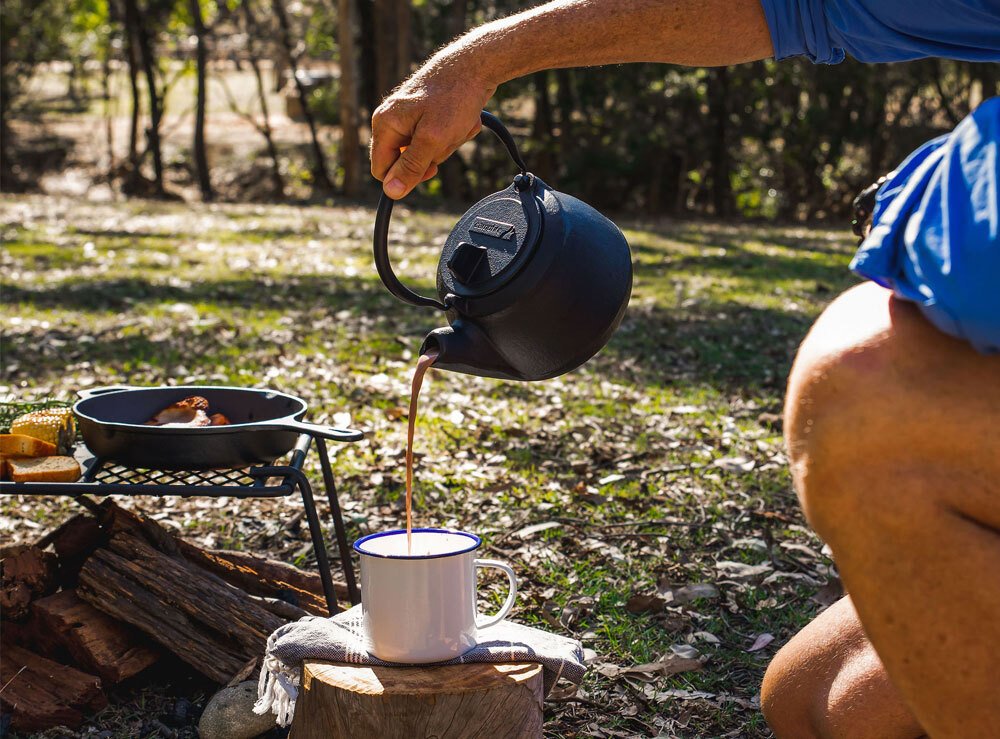
Preventing Rust and Corrosion Outdoors
Rust is the most common threat to outdoor metal items. To minimize the risk:
- Never leave vessels exposed to rain or standing water for extended periods.
- After cleaning, heat the vessel briefly to ensure all moisture is gone before oiling.
- For cast iron, maintain a good seasoning layer by occasionally baking on a thin coat of oil.
- If rust appears, scrub gently with a non-metallic pad, rinse, dry, and reapply oil or seasoning.
- Consider using silica gel packs or desiccants in storage containers to absorb excess humidity.
For more information on choosing the right material for your needs, see this guide to the best metals for kettles and outdoor cookware.
Special Considerations for Cooking and Serving
When using metal vessels for food preparation or serving, keep these points in mind:
- Only use food-safe oils and coatings on surfaces that contact food.
- Be cautious with acidic foods (like tomatoes or vinegar), which can strip seasoning and accelerate corrosion.
- After cooking, allow the vessel to cool before cleaning to prevent warping or cracking.
- For traditional outdoor cooking methods, such as those described in cultural kettle cooking traditions, proper maintenance preserves both flavor and authenticity.
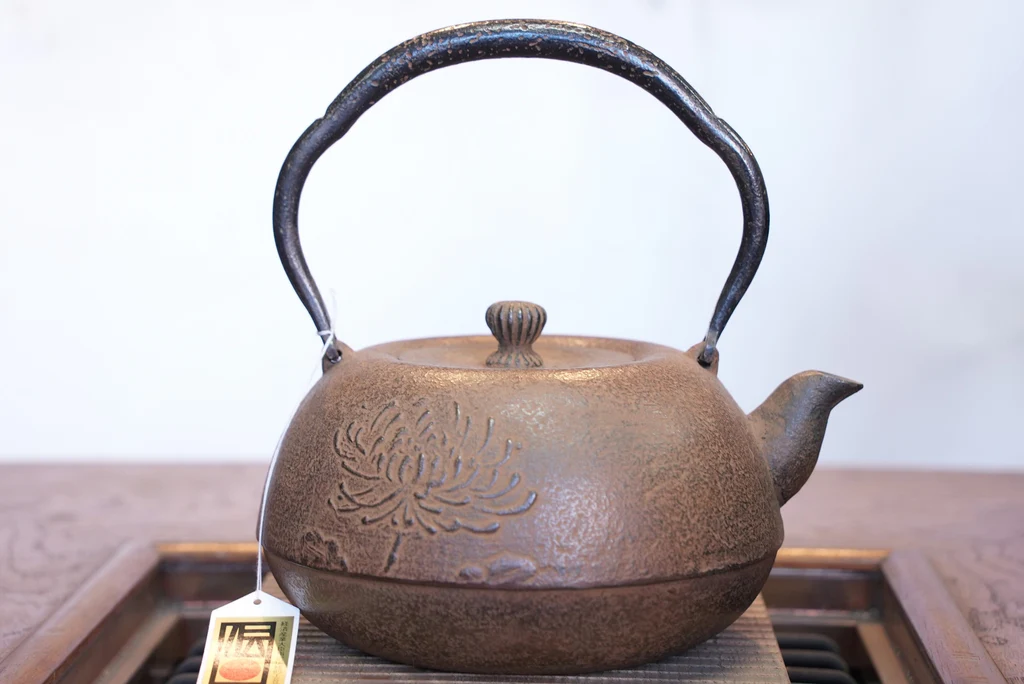
Long-Term Storage and Seasonal Care
For those who use metal vessels seasonally—such as during camping trips or outdoor gatherings—proper storage is essential. Before putting items away for the winter or extended periods:
- Clean and dry thoroughly.
- Apply a protective layer of oil or wax to all surfaces.
- Wrap in a breathable cloth or paper to prevent dust and moisture buildup.
- Store in a cool, dry place away from direct sunlight and humidity.
Regularly check stored items for signs of rust or pests, and reapply protective coatings as needed.
Restoring and Repairing Worn Metal Vessels
If your vessel develops significant rust or wear, restoration is often possible. For light rust, scrub with a mixture of coarse salt and oil, rinse, and reseason. For deeper corrosion or pitting, you may need to use fine steel wool, followed by thorough cleaning and re-seasoning. Severely damaged items may require professional repair or welding.
Restoration not only brings back function but also preserves the history and character of your piece. For those interested in how these traditions have evolved, the article on historic food serving methods offers insight into how our ancestors cared for their metalware.
Frequently Asked Questions
How often should I oil my outdoor metal vessels?
For items used regularly, a light oiling after each cleaning is ideal. For decorative or rarely used pieces, oil every few months or whenever the surface appears dry.
What is the best way to remove rust from cast iron used outdoors?
Use a non-metallic scrubber and coarse salt to gently remove surface rust. Rinse, dry thoroughly, and apply a fresh coat of oil or seasoning. For stubborn rust, fine steel wool can be used, but avoid harsh chemicals.
Can I use dish soap on my outdoor metal cookware?
Mild dish soap is generally safe for stainless steel and aluminum, but avoid it on seasoned cast iron as it can strip the protective layer. Instead, use hot water and a brush, and always dry and oil the vessel after cleaning.
Conclusion
With the right approach to outdoor metal vessel maintenance, you can protect your investment and enjoy reliable performance for years. Regular cleaning, thorough drying, protective coatings, and careful storage are the keys to preventing rust and wear. By incorporating these habits into your routine, your outdoor cookware and serving pieces will remain both functional and beautiful, ready for your next gathering or adventure.


