
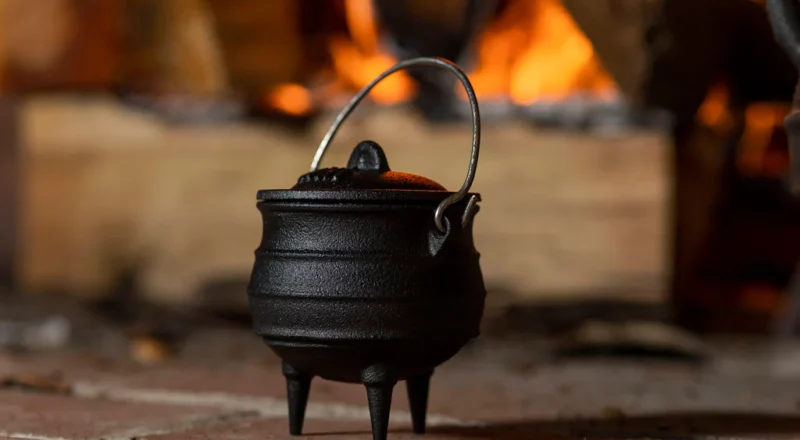
Cast iron cookware has stood the test of time, prized for its durability, heat retention, and ability to deliver delicious results whether you’re cooking over a campfire or in a modern kitchen. However, these vessels require specific care to maintain their performance and longevity. This cast iron vessel care guide will walk you through the essential steps for cleaning, seasoning, and storing your cast iron so it remains a reliable part of your cooking tradition for generations.
Whether you’ve inherited a well-used pot or picked up a new skillet, understanding the right techniques ensures your cookware stays rust-free, non-stick, and ready for any recipe. For those interested in the history and cultural significance of these timeless tools, you might enjoy exploring cultural kettle cooking traditions from around the world.
Why Proper Cast Iron Maintenance Matters
Taking care of your cast iron is more than just a chore—it’s a way to preserve a piece of culinary heritage. Well-maintained cast iron offers a naturally non-stick surface, even heating, and can last for decades. Neglect, on the other hand, can lead to rust, food sticking, and even permanent damage.
Many outdoor enthusiasts and home cooks alike have discovered that regular upkeep not only improves cooking results but also makes cleaning easier over time. For those who enjoy open-fire cooking, learning about outdoor hospitality traditions can provide further inspiration for using and caring for your cookware in various settings.
Cleaning Your Cast Iron: Step-by-Step Instructions
The first step in any cast iron vessel care guide is learning how to clean your cookware properly. Unlike other pots and pans, cast iron should never be soaked or put in the dishwasher. Here’s how to do it right:
- Clean while warm: After cooking, let the vessel cool slightly but clean it while it’s still warm. This helps remove food residue more easily.
- Use minimal soap: Contrary to old myths, a small amount of mild dish soap is safe for modern cast iron. However, avoid harsh detergents and never use bleach.
- Scrub gently: Use a non-abrasive scrubber or stiff brush. For stubborn bits, add coarse salt as a gentle abrasive.
- Rinse and dry immediately: Rinse with hot water and dry thoroughly with a towel. Never air-dry, as this can cause rust.
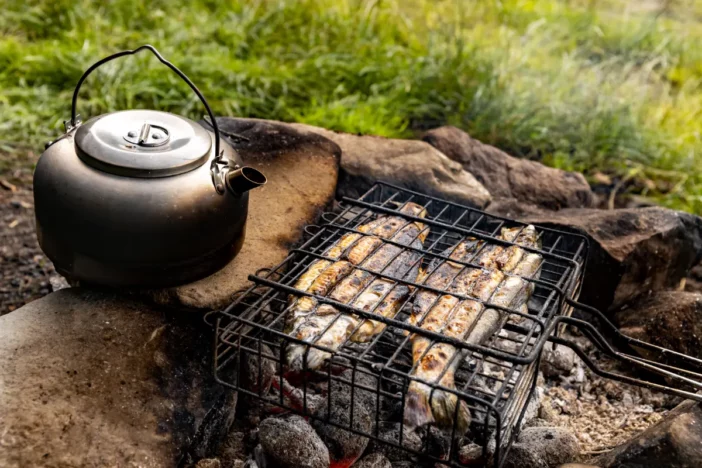
Seasoning: The Key to a Non-Stick Surface
Seasoning is the process of building up a protective layer of polymerized oil on your cast iron. This not only prevents rust but also creates a slick surface that improves with use. Here’s how to season your cookware:
- Start with a clean, dry vessel: Make sure your pot or pan is free of food and completely dry.
- Apply a thin layer of oil: Use a neutral oil with a high smoke point, such as flaxseed, grapeseed, or canola. Wipe away excess oil with a paper towel.
- Bake upside down: Place the cookware upside down in an oven preheated to 400–450°F (200–230°C). Put a sheet of foil or a tray underneath to catch drips.
- Bake for an hour: Let it cool in the oven. Repeat the process 2–3 times for a stronger seasoning.
If you’re looking for more tips on selecting the right cookware for your needs, check out this comprehensive guide to choosing the best cast iron kettle.
Storing Cast Iron to Prevent Rust and Odors
Proper storage is a crucial part of any cast iron vessel care guide. Even well-seasoned cookware can develop rust or odors if stored incorrectly. Here are some best practices:
- Store completely dry: Always make sure your cookware is bone dry before putting it away.
- Keep lids off or ajar: Allow air circulation to prevent moisture buildup and musty smells.
- Use paper towels: Placing a paper towel inside the vessel can absorb any residual moisture and protect the seasoning.
- Avoid stacking: If you must stack, place a soft cloth or paper between items to prevent scratching the seasoned surface.

Common Mistakes to Avoid When Caring for Cast Iron
Even experienced cooks can make errors that shorten the life of their cookware. Here are some pitfalls to watch out for:
- Soaking in water: Prolonged exposure to water leads to rust. Always clean and dry promptly.
- Using metal utensils: While occasional use is fine, aggressive scraping can damage the seasoning.
- Cooking acidic foods too often: Tomatoes and vinegar-based dishes can strip seasoning if cooked frequently.
- Storing food in the vessel: Leftovers can cause off-flavors and degrade the seasoned layer.
Reviving Old or Neglected Cast Iron
If you’ve come across a rusty, neglected pot, don’t despair. Restoration is possible with some effort:
- Remove rust: Scrub with steel wool or a chainmail scrubber until the rust is gone.
- Clean thoroughly: Wash with mild soap and rinse well.
- Dry and re-season: Follow the seasoning steps above to rebuild the protective layer.
Restoring vintage cookware can be rewarding and connects you to historic food serving methods that have shaped culinary traditions.
Integrating Cast Iron Into Your Cooking Routine
Once you’ve mastered the basics of care, cast iron becomes a versatile tool for everything from baking bread to simmering stews. Its ability to hold heat makes it ideal for searing, frying, and slow-cooking. For those interested in exploring different vessel types, cooking vessel designs through history offers fascinating insights into how materials and shapes have evolved.
Experiment with recipes and techniques, and don’t hesitate to use your cookware both indoors and outdoors. If you’re drawn to regional dishes, learning about Eastern European kettle cooking can inspire new ways to use your pot or pan.
FAQ: Cast Iron Vessel Care
How often should I season my cast iron cookware?
Season your cast iron whenever food starts to stick or the surface looks dull or patchy. For frequent use, a light seasoning every few months is usually enough. If you notice rust or after deep cleaning, re-season immediately.
Can I use soap to clean cast iron?
Yes, a small amount of mild dish soap is safe and won’t harm a well-seasoned surface. Avoid harsh chemicals, and always dry thoroughly after washing.
What should I do if my cast iron develops rust?
Remove rust with a scrubber, wash, dry, and re-season the cookware. Regular maintenance and proper storage will help prevent rust from returning.
Is it safe to cook acidic foods in cast iron?
Occasional cooking of acidic foods is fine, especially in well-seasoned cookware. However, frequent exposure can wear down the seasoning, so it’s best to limit acidic dishes or re-season more often if you cook them regularly.


