
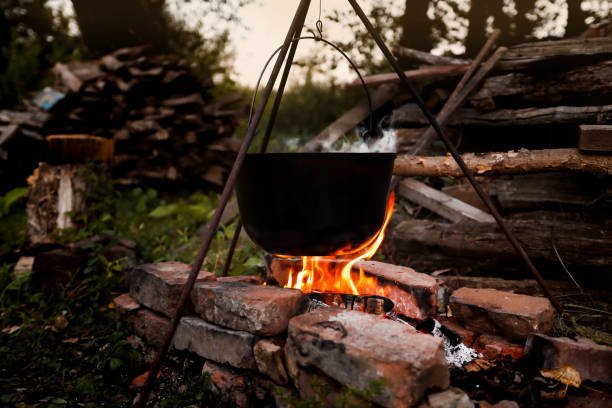
Transforming your outdoor space into a functional and inviting cooking area is a rewarding project that can enhance your home life and entertaining options. Whether you want a simple fire pit setup or a fully equipped outdoor kitchen, there are countless backyard cooking station ideas to inspire your design. This guide explores practical layouts, essential features, and creative touches to help you create a space that fits your needs, style, and budget.
Outdoor cooking has deep roots in many cultures, from kettle stews to open-fire grilling. If you’re interested in the traditions behind these setups, you might enjoy reading about outdoor hospitality traditions and how they shape the way we gather and cook outside.
Choosing the Right Outdoor Cooking Station Design
Before diving into specific features, consider how you’ll use your outdoor kitchen. Will it be a spot for casual family meals, large gatherings, or quiet evenings by the fire? Your answer will help determine the size, layout, and equipment you need. Here are some popular approaches:
- Simple Fire Pit Cooking: A classic option that brings people together and works well for grilling, roasting, or kettle cooking.
- Grill Island: A built-in grill with counter space for prep and serving, often including storage for utensils and supplies.
- Full Outdoor Kitchen: Includes a grill, sink, refrigerator, and even a pizza oven, offering all the conveniences of an indoor kitchen outside.
- Portable Stations: Movable carts or modular units that can be arranged as needed and stored away when not in use.
Each option has its pros and cons. A simple fire pit is affordable and easy to build, while a full kitchen requires more investment but offers unmatched versatility.
Essential Features for Backyard Cooking Spaces
Regardless of your chosen style, certain features can make your outdoor cooking area more enjoyable and efficient. Here are some key elements to consider:
- Durable Surfaces: Use weather-resistant materials like stone, brick, or stainless steel for counters and work areas.
- Ample Prep Space: Countertops or tables near the cooking zone make food prep and serving easier.
- Storage Solutions: Cabinets, shelves, or hooks for utensils, cookware, and fuel keep everything organized.
- Lighting: Good lighting ensures safe cooking and creates a welcoming atmosphere for evening gatherings.
- Seating: Built-in benches, picnic tables, or movable chairs encourage guests to relax and socialize.
- Weather Protection: Pergolas, umbrellas, or retractable awnings provide shade and shelter from rain or sun.
When planning, think about how each element will withstand the elements and how easy it will be to maintain over time.
Inspiring Outdoor Cooking Station Ideas
Looking for creative inspiration? Here are several ways to bring your backyard kitchen vision to life, from rustic to modern:
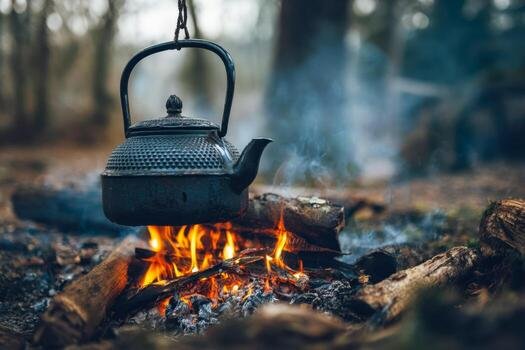
- Campfire Kettle Cooking: Hang a cast iron kettle over an open fire for stews, soups, or tea. This setup is simple, affordable, and connects you to cultural kettle cooking traditions from around the world.
- Stone or Brick Grill: Build a permanent grill base with natural materials for a rustic look that blends into the landscape.
- Modular Outdoor Kitchen Units: Use pre-made components to create a custom layout that can be expanded or rearranged as your needs change.
- Wood-Fired Oven: Add a pizza oven for baking bread, roasting vegetables, or making authentic pizzas outdoors.
- Covered Cooking Pavilion: Construct a roofed structure with space for grilling, prepping, and dining, ideal for all-weather use.
Mix and match these ideas to suit your space and style. Even a small backyard can accommodate a cozy fire pit or compact grill station.
Choosing the Best Equipment and Materials
Quality equipment is the foundation of any great outdoor cooking area. Cast iron cookware is a favorite for its durability and heat retention. To keep your cast iron in top shape, check out this comprehensive guide to cast iron care for tips on cleaning, seasoning, and storage.
When selecting grills, stoves, or ovens, look for models made from stainless steel or other weather-resistant materials. Consider fuel options—charcoal, wood, propane, or natural gas—based on your cooking preferences and local regulations. Don’t forget accessories like tongs, spatulas, thermometers, and fireproof gloves for safe and efficient cooking.

Adding Personal Touches to Your Outdoor Cooking Area
Once the basics are in place, personalize your outdoor kitchen with thoughtful details:
- Decorative Lighting: String lights, lanterns, or solar path lights add ambiance and improve visibility after dark.
- Planters and Greenery: Incorporate herbs, flowers, or small shrubs to soften hard surfaces and provide fresh ingredients for your meals.
- Custom Signage: Chalkboards or wooden signs can display menus, welcome guests, or add a playful touch.
- Weatherproof Storage: Use sealed bins or cabinets to protect supplies from rain and humidity.
- Outdoor Dining Area: Set up a table and chairs nearby for easy serving and comfortable eating.
For those interested in the history of outdoor cooking and serving, you might appreciate learning about historic food serving methods and how our ancestors set the table outdoors.
Maintaining Your Outdoor Cooking Station
Regular maintenance ensures your backyard kitchen stays safe, clean, and enjoyable. Here are some tips:
- Clean grills and cookware after each use to prevent buildup and rust.
- Cover equipment or store it indoors during harsh weather.
- Inspect gas lines, burners, and electrical components for safety.
- Season cast iron regularly to keep it nonstick and rust-free.
- Check for pests and keep food storage areas sealed.
With proper care, your outdoor cooking area will provide years of delicious meals and memorable gatherings.
Frequently Asked Questions
What is the most affordable way to set up an outdoor cooking station?
The simplest and most budget-friendly option is a basic fire pit with a grill grate or kettle hook. Use natural materials like stone or brick for the base, and add a few essential tools. This setup is easy to build and maintain, making it perfect for beginners or small spaces.
How do I protect my outdoor kitchen from the weather?
Choose weather-resistant materials such as stainless steel, stone, or treated wood. Install covers for grills and appliances, and consider adding a pergola or awning for extra protection. Store utensils and cookware in sealed containers or cabinets to prevent rust and moisture damage.
What are some traditional outdoor cooking methods I can try?
Explore techniques like kettle cooking over an open fire, using a wood-fired oven, or grilling on a stone or brick base. For inspiration, check out resources on Eastern European kettle cooking and other global traditions that bring unique flavors and experiences to your backyard.


