
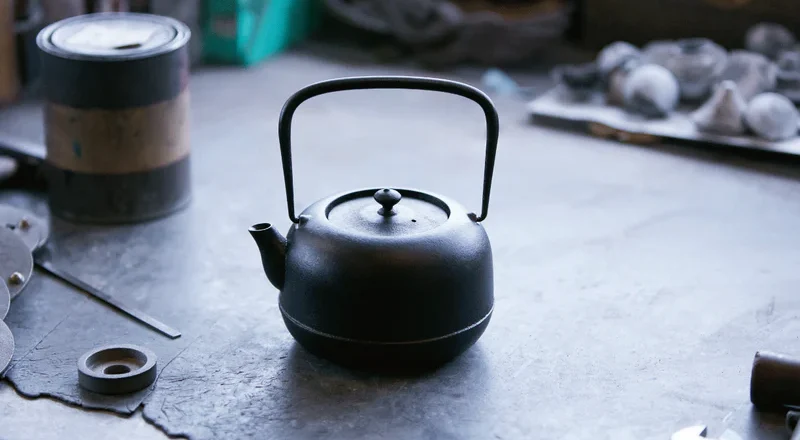
Preparing cooking liquids over open flames is a time-honored technique that brings together tradition, practicality, and unique flavors. Whether simmering a hearty stew, boiling water for tea, or crafting a rustic soup, the interplay between fire and liquid transforms simple ingredients into memorable meals. This approach is found in cultures worldwide, from campfire gatherings to historic kitchens, and continues to appeal to outdoor enthusiasts and home cooks alike.
Open-fire cooking with liquids presents both opportunities and challenges. The direct heat of flames, the variability of temperature, and the choice of cookware all influence the outcome. Understanding these factors can help you achieve delicious results, whether you’re working with a cast iron pot, a steel kettle, or a traditional cauldron. For those interested in historical perspectives, exploring eastern european kettle cooking offers fascinating insights into how these methods have evolved and endured.
Why Choose Open Fire for Liquid-Based Dishes?
There are several reasons why people gravitate toward cooking liquids over open flames. The most obvious is flavor: the subtle smokiness and depth that fire imparts to broths and stews is hard to replicate on a stovetop. Additionally, open fire cooking is ideal for communal settings, outdoor adventures, and situations where modern appliances aren’t available.
Beyond taste, this method encourages a slower, more mindful approach to food. The need to tend the fire, adjust the pot’s position, and monitor the simmering process fosters a connection with both the ingredients and the environment. Many traditional recipes, such as Hungarian goulash or French pot-au-feu, were developed specifically for this kind of heat source, making them perfect candidates for your next outdoor meal.
Essential Equipment for Simmering and Boiling over Flames
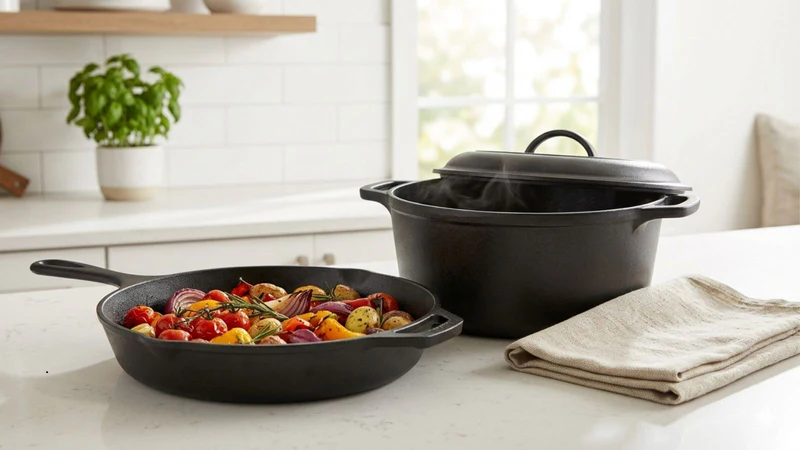
Selecting the right gear can make or break your experience. The most popular choice is cast iron cookware, prized for its durability and heat retention. Cast iron pots and Dutch ovens distribute heat evenly and can withstand the rigors of direct flames. For those new to this material, a beginner’s guide to cast iron cookware is a helpful resource for learning about care, seasoning, and best practices.
Other options include stainless steel kettles, enameled pots, and even traditional cauldrons. The key is to use vessels without plastic handles or coatings that could melt or release toxins. Always ensure your cookware is stable on the fire and large enough to prevent dangerous boil-overs.

Managing Heat and Flame for Liquid Cooking
One of the biggest challenges when preparing soups, stews, and boils over fire is controlling the temperature. Unlike a gas or electric stove, open flames can be unpredictable. Here are a few tips for success:
- Build a stable fire: Use hardwoods for a steady, long-lasting heat. Allow the fire to burn down to glowing coals before placing your pot over it.
- Adjust pot height: Use a tripod, grill grate, or rocks to raise or lower your cookware, controlling the intensity of the heat.
- Stir frequently: Liquids can scorch at the bottom if left unattended. Stirring helps distribute heat and prevents sticking.
- Monitor evaporation: Open flames can cause liquids to reduce faster than expected. Keep extra water or stock handy to top up as needed.
Patience is key. Letting a stew bubble gently over coals will yield richer flavors and tender ingredients compared to a rolling boil over high flames.
Classic Recipes for Open Fire Liquid Cooking
Many beloved dishes were designed for cooking liquids over open flames. Here are a few examples:
- Campfire Stew: A mix of meat, root vegetables, and herbs simmered in broth until everything is fork-tender.
- Outdoor Soup: Wild greens, beans, and grains cooked slowly in a kettle, perfect for foraging trips or garden gatherings.
- Seafood Boil: Shellfish, corn, and potatoes boiled together with spices for a communal feast.
For those interested in the historical roots of these methods, the evolution of cooking vessels provides context on how pots and pans have adapted to open-fire needs over centuries.
Safety Tips for Boiling and Simmering Outdoors
While open fire cooking is rewarding, it also requires attention to safety. Always set up your fire in a clear area, away from flammable materials. Keep a bucket of water or sand nearby to extinguish flames if needed. Use long-handled utensils and heat-resistant gloves to protect yourself when handling hot pots. Never leave a fire unattended, and make sure it is fully out before leaving your site.
When using cast iron or other heavy cookware, be mindful of stability. Uneven ground or shifting coals can cause pots to tip. Position your setup on flat, solid surfaces whenever possible.
Care and Maintenance of Fire-Exposed Cookware
After preparing liquid dishes over flames, proper cleaning and maintenance of your cookware is essential. For cast iron, avoid using soap; instead, scrub with hot water and a stiff brush, then dry thoroughly. Apply a thin layer of oil to prevent rust. Stainless steel and enameled pots can usually be washed with mild detergent, but always check the manufacturer’s guidelines.
Regular maintenance not only extends the life of your gear but also enhances flavor over time, especially with seasoned cast iron. For those looking to keep their cookware in top shape, consider using a care kit specifically designed for cast iron and fire-exposed pots.
Frequently Asked Questions
What are the best types of pots for cooking liquids over open flames?
Cast iron Dutch ovens and kettles are the most popular choices due to their durability and even heat distribution. Stainless steel and enameled pots are also suitable, provided they have no plastic parts. Traditional cauldrons work well for large batches. Always ensure your cookware is rated for open-fire use.
How do I prevent my soup or stew from burning when cooking over fire?
Maintain a steady, moderate heat by using coals rather than direct flames. Stir frequently to prevent sticking, and adjust the height of your pot above the fire as needed. Adding liquid periodically helps avoid scorching, especially during long simmers.
Can I use modern nonstick pots over an open flame?
It’s best to avoid nonstick cookware on open fires. High temperatures can damage nonstick coatings, releasing harmful fumes and reducing the lifespan of the pot. Stick to cast iron, stainless steel, or enamel-coated options for safety and longevity.
Conclusion
Mastering the art of cooking liquids over open flames opens up a world of flavors and experiences. With the right equipment, attention to heat control, and a respect for tradition, you can create memorable soups, stews, and boils wherever your adventures take you. For more inspiration on traditional methods and the history of cookware, explore resources on metal casting history and related topics. Whether at a campsite, in your backyard, or during a historical reenactment, the satisfaction of a meal prepared over fire is hard to beat.


