
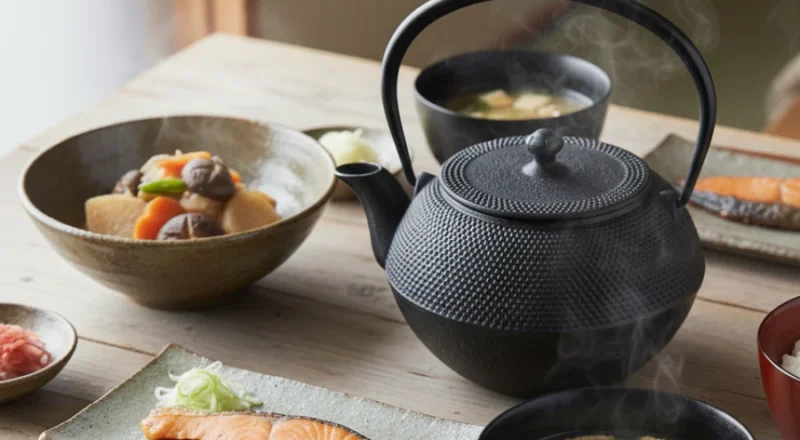
Goulash kettle cooking is a time-honored tradition in Hungary, blending rustic outdoor techniques with rich culinary heritage. This method, known locally as “bográcsozás,” involves preparing hearty stews and soups over an open flame using a special hanging kettle. The process is as much about gathering and sharing as it is about flavor, making it a beloved ritual at festivals, family events, and countryside gatherings.
In this guide, we’ll explore the essentials of Hungarian kettle cooking, from the history and equipment to step-by-step methods and care tips. Whether you’re a seasoned outdoor cook or new to the world of open-fire cuisine, you’ll find practical advice to help you master this unique approach. For those interested in the broader context of kettle-based outdoor meals, you might enjoy reading about eastern european kettle cooking and its influence across the region.
The Roots of Hungarian Kettle Cuisine
The tradition of preparing meals in a suspended pot over fire dates back centuries in Central Europe. In Hungary, the kettle—called a bogrács—became a symbol of rural life and hospitality. Originally used by herdsmen on the Great Hungarian Plain, this cooking method allowed for the creation of nourishing dishes using simple ingredients and minimal equipment.
Over time, the technique evolved, but the essence remains unchanged: a communal meal, slow-cooked over wood or charcoal, with flavors that develop from both the ingredients and the smoke of the fire. This approach is not only about sustenance but also about celebrating togetherness and tradition.
Essential Equipment for Open-Fire Stews
To get started with goulash kettle cooking, you’ll need a few key items:
- Bogrács (Kettle): Traditionally made from cast iron or enameled steel, these kettles come in various sizes, typically ranging from 5 to 20 liters.
- Tripod Stand: A sturdy metal tripod suspends the kettle above the fire, allowing for easy height adjustment and even heating.
- Firewood or Charcoal: Hardwood is preferred for its steady burn and flavor-enhancing smoke.
- Long-Handled Stirring Spoon: Essential for mixing ingredients and ensuring nothing sticks to the bottom.
Proper care of your kettle is crucial for longevity and flavor. Seasoning and cleaning routines are similar to those for cast iron cookware. For more on the evolution of these vessels, see the article on the evolution of cooking vessels through history.
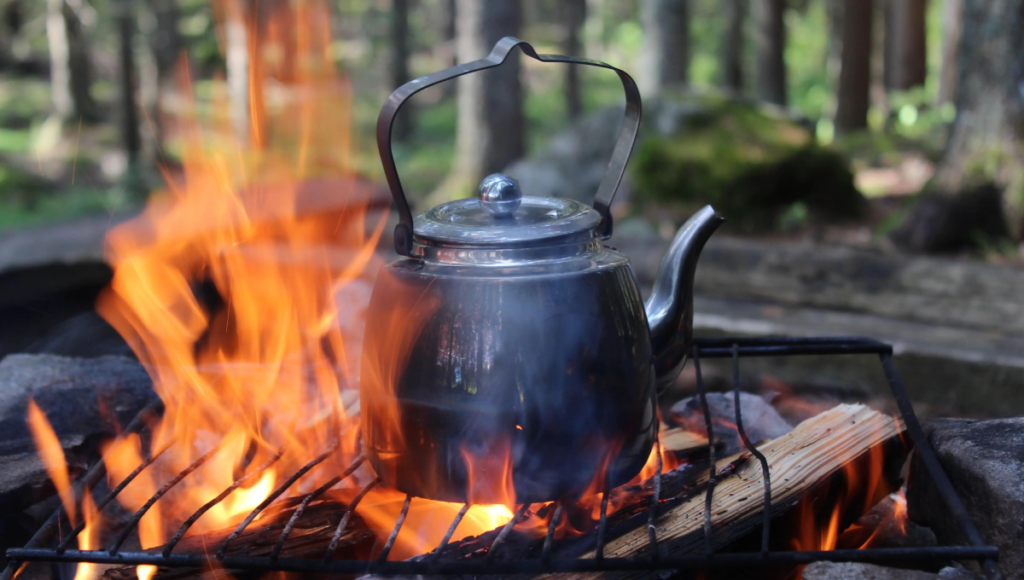
Step-by-Step Guide to Traditional Stew Preparation
Authentic Hungarian stews, such as gulyás or pörkölt, are best prepared outdoors using the kettle method. Here’s a practical overview:
- Prepare the Fire: Build a small wood fire or use charcoal beneath your tripod. Allow the flames to die down to glowing embers for steady heat.
- Brown the Meat: Add diced onions and lard or oil to the kettle. Once translucent, stir in beef or pork cubes and brown them evenly.
- Season Generously: Sprinkle in Hungarian paprika, salt, pepper, and caraway seeds. The paprika should be added off the direct heat to avoid burning.
- Add Vegetables and Liquid: Mix in potatoes, carrots, peppers, and tomatoes. Pour in water or broth to cover the ingredients.
- Simmer Slowly: Let the stew cook gently, uncovered, for 1–2 hours. Stir occasionally and adjust the kettle’s height to control the temperature.
- Finish and Serve: Taste and adjust seasoning. Serve hot, ideally with rustic bread or dumplings.
This process allows the flavors to meld and the smoke to impart a subtle depth, making the dish uniquely satisfying.
Tips for Mastering Outdoor Kettle Cooking
Success with open-fire kettle meals depends on a few practical strategies:
- Control the Heat: Keep the fire moderate. Too much flame can scorch the food, while too little will slow cooking.
- Use the Right Wood: Hardwoods like oak or beech burn longer and cleaner, adding a pleasant aroma.
- Stir Regularly: Prevent sticking and ensure even cooking by stirring every 10–15 minutes.
- Keep a Lid Handy: While traditional recipes often cook uncovered, a lid can help control evaporation if needed.
- Practice Patience: The best results come from slow, gentle simmering.
For those interested in the broader history of metalwork and cookware, the article on metal casting history offers additional context.
Kettle Maintenance and Care
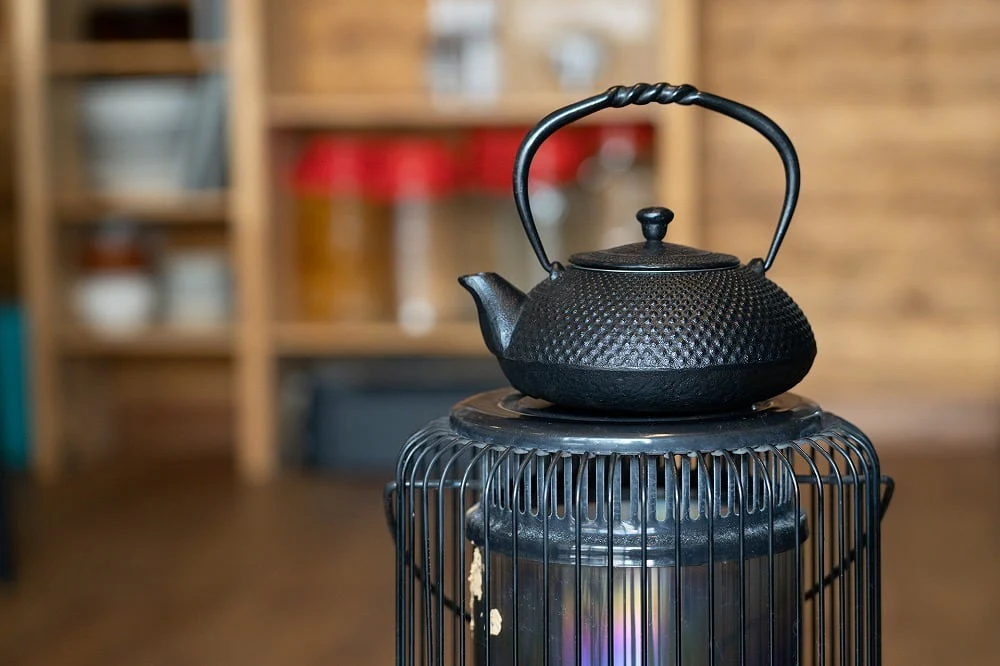
Proper maintenance ensures your kettle lasts for years and continues to deliver great flavor. After each use, clean the pot thoroughly with hot water and a brush—avoid harsh detergents that can strip seasoning. Dry the kettle completely to prevent rust. If using cast iron, apply a thin layer of oil after cleaning to maintain the protective coating.
For more detailed advice on caring for cast iron and enameled cookware, see this resource on how to use and care for cast iron teapots. Investing in a dedicated care kit can also simplify upkeep and extend the life of your equipment.
Bringing Tradition to Modern Outdoor Gatherings
While rooted in Hungarian culture, kettle-based outdoor cooking has found new fans among campers, food enthusiasts, and anyone seeking a communal, hands-on approach to meal preparation. The method is adaptable—try experimenting with different meats, vegetables, or even vegetarian versions. The key is to embrace the spirit of slow cooking and shared experience.
For inspiration on incorporating rustic elements into your outdoor space, check out ideas for rustic focal point landscaping that complement the ambiance of open-fire meals.
Frequently Asked Questions
What is the best type of kettle for Hungarian open-fire stews?
Traditional bogrács kettles made from cast iron or enameled steel are ideal. Cast iron retains heat well and develops a natural nonstick surface with proper seasoning, while enameled steel is lighter and easier to clean. Choose a size that matches the number of servings you plan to make.
How do I prevent food from burning in the kettle?
Maintain a moderate, steady fire and adjust the kettle height as needed. Stir the stew regularly, especially after adding paprika or thick ingredients. Cooking over embers rather than direct flames helps avoid scorching.
Can I use a goulash kettle on a gas or electric stove?
While these kettles are designed for open-fire use, some can be used on gas stoves if they have a flat bottom. However, the smoky flavor and communal experience are best achieved outdoors over wood or charcoal.
Conclusion
Hungarian kettle meals offer a flavorful, social, and deeply satisfying way to cook outdoors. With the right equipment, a bit of patience, and a willingness to embrace tradition, anyone can enjoy the robust tastes and camaraderie of this classic method. Whether for a family gathering or a festive event, the experience of preparing and sharing a meal over an open fire is truly unforgettable.


