
Organizing food service for a large outdoor festival or community gathering requires more than just enthusiasm and a love of cooking. It demands festival cooking equipment that is robust, reliable, and designed to handle the demands of high-volume meal preparation. Whether you’re catering a music festival, a historical reenactment, or a local fair, having the right tools ensures efficient service and delicious results for hundreds—or even thousands—of hungry guests.
In this guide, we’ll explore the essential features of heavy-duty cooking gear for festivals, what to look for when choosing your setup, and how to maintain your equipment for longevity. For those interested in the historical context of large-scale cooking, the evolution of cooking vessels offers fascinating insights into how communal meals have shaped cookware design over centuries.
Key Features of Heavy-Duty Festival Cooking Gear
When selecting festival cooking equipment for large events, durability and capacity are top priorities. The following features set professional-grade gear apart from standard kitchen tools:
- Large Capacity: Pots, pans, and grills must accommodate bulk cooking. Look for vessels that hold at least 10–20 quarts for stews and soups, and griddles or grills with ample surface area for batch cooking.
- Sturdy Construction: Materials like cast iron, stainless steel, and heavy-gauge aluminum stand up to repeated use and high heat. Reinforced handles and thick bases prevent warping and ensure safety.
- Portability: Equipment should be easy to transport and set up. Collapsible stands, stackable pots, and modular grill systems are ideal for events where space and time are limited.
- Heat Source Flexibility: Choose gear compatible with open flames, propane burners, or charcoal, depending on your festival’s setup and safety regulations.
- Easy Cleaning: Removable parts and nonstick or seasoned surfaces help streamline cleanup between meal services.
Essential Types of Festival Cooking Equipment
Outfitting your festival kitchen involves more than just a few oversized pots. Here’s a breakdown of the core gear every event chef should consider:
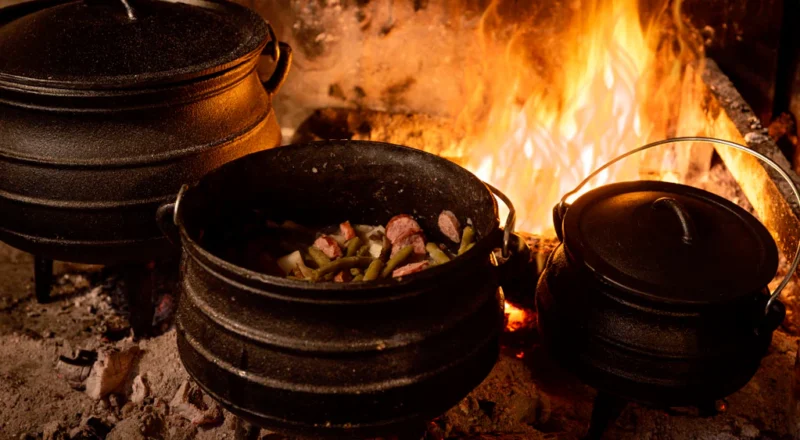
- Stock Pots and Cauldrons: Ideal for soups, stews, chili, and boiling large quantities of vegetables or pasta. Cast iron and stainless steel are popular choices for their heat retention and durability.
- Griddles and Flat Tops: These allow for simultaneous cooking of pancakes, burgers, or vegetables. Large flat surfaces speed up service and make it easier to manage multiple orders at once.
- Charcoal or Propane Grills: For smoky flavors and high-volume grilling, heavy-duty grills with adjustable grates and wind protection are essential.
- Fryers: Commercial-grade deep fryers can handle everything from fries to festival favorites like funnel cakes.
- Serving and Holding Equipment: Insulated food carriers, chafing dishes, and warming trays keep food hot and safe until it’s served.
Choosing the Right Materials for Outdoor Cooking
The material of your festival cookware impacts not only performance but also maintenance and longevity. Here’s what to consider:
- Cast Iron: Renowned for its heat retention and even cooking, cast iron is a classic choice for outdoor events. Properly seasoned, it develops a natural nonstick surface and can last for generations.
- Stainless Steel: Resistant to rust and easy to clean, stainless steel is ideal for boiling and simmering. It’s lighter than cast iron but still robust enough for heavy use.
- Aluminum: Lightweight and quick to heat, aluminum pots are popular for their portability. However, they may dent more easily and require careful handling.
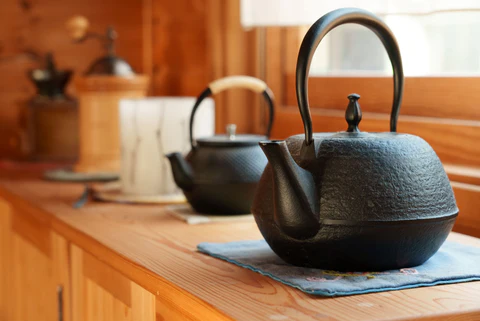
For a deeper dive into the pros and cons of different metals, see this guide to the best metals for kettles, which offers useful comparisons for festival chefs.
Safety and Efficiency Tips for Large-Scale Outdoor Cooking
Managing a festival kitchen means balancing speed, safety, and food quality. Here are some practical tips:
- Plan Your Layout: Arrange stations for prep, cooking, and serving to minimize cross-traffic and keep hot equipment away from public areas.
- Monitor Temperatures: Use thermometers to ensure food is cooked and held at safe temperatures, reducing the risk of foodborne illness.
- Prep in Advance: Chop, marinate, and portion ingredients before the event to streamline service and reduce stress during peak hours.
- Keep Gear Clean: Regularly wipe down surfaces and wash utensils to prevent buildup and contamination. Consider investing in a care kit for cast iron to maintain seasoning and prevent rust.
For those interested in rustic presentation and outdoor ambiance, check out this article on rustic event catering equipment for ideas on creating a memorable dining experience at your festival.

Maintaining and Storing Your Festival Gear
Proper care extends the life of your festival cooking equipment and ensures it’s ready for the next big event. Here’s how to keep your gear in top shape:
- Clean Immediately: Remove food residue and wash pots, pans, and utensils as soon as possible after use. For cast iron, avoid soaking; instead, scrub with a brush and hot water, then dry thoroughly.
- Season Cast Iron: Apply a thin layer of oil after cleaning to maintain the nonstick surface and prevent rust. Using a dedicated care kit can simplify this process.
- Inspect for Damage: Check for cracks, warping, or loose handles before and after each event. Replace or repair as needed to ensure safety.
- Store Properly: Keep gear in a dry, ventilated area. Stack pots and pans with protective liners to prevent scratches or dents.
For more inspiration on communal outdoor cooking, explore communal meal cooking methods and discover time-tested techniques for feeding large groups over open fire.
Frequently Asked Questions
What is the best type of cookware for outdoor festival use?
Cast iron and stainless steel are the most popular choices for outdoor events due to their durability and heat retention. Cast iron is excellent for slow-cooked dishes and grilling, while stainless steel is ideal for boiling and simmering. Choose based on your menu and cooking style.
How do I keep food hot and safe during a long event?
Use insulated carriers, chafing dishes, or warming trays to maintain safe serving temperatures. Monitor food with thermometers and replenish hot water or fuel as needed to keep dishes above 140°F (60°C).
How can I transport heavy festival cooking equipment safely?
Invest in gear with reinforced handles and use carts or dollies for moving large pots and grills. Disassemble modular equipment when possible, and pack items securely to prevent shifting during transport.
Conclusion
Equipping your outdoor kitchen with the right festival cooking equipment makes all the difference in delivering great food and a smooth service at large events. By choosing gear that’s durable, easy to use, and suited to your menu, you’ll be prepared for any crowd. Remember to maintain your equipment carefully and stay up to date with best practices for safety and efficiency. With the right setup, your festival kitchen will be ready to serve memorable meals, rain or shine.


