
Throughout history, people have come together around fire pits to share stories, food, and a sense of community. These traditional gathering customs are woven into the fabric of cultures worldwide, reflecting both practical needs and deeper social bonds. The warmth of a shared fire creates a natural focal point for conversation, celebration, and the passing down of heritage.
Whether in rural villages or modern backyards, the ritual of gathering by the fire continues to offer comfort and connection. The customs may vary, but the underlying purpose remains the same: to foster togetherness and create lasting memories. Exploring these practices reveals not only how our ancestors lived but also how we can enrich our own lives today.
For those interested in how these customs intersect with outdoor hospitality, the article on outdoor hospitality traditions provides a deeper look at the art of sharing a campfire and welcoming guests in open-air settings.
The Role of Fire in Community Rituals
Fire has always played a central role in human society. From ancient times, it provided warmth, light, and a means to cook food. But beyond its practical uses, fire became a symbol of unity. In many cultures, lighting a communal fire marked the beginning of important events, seasonal celebrations, or family gatherings. These rituals often included singing, storytelling, and the sharing of meals, reinforcing social ties and cultural identity.
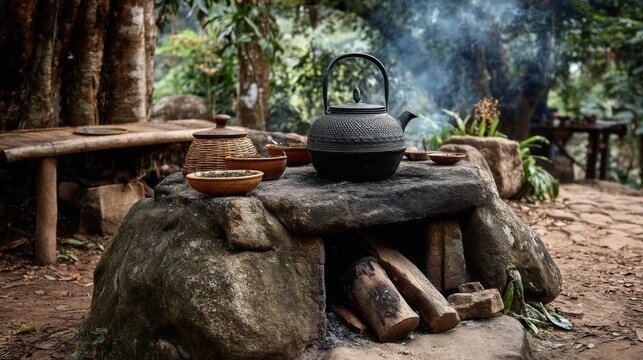
In some regions, the fire pit served as the heart of the village. Elders would recount legends, children would listen in awe, and everyone would contribute to the evening’s meal. The act of tending the fire together created a sense of shared responsibility and belonging. Even today, many indigenous and rural communities maintain these traditions, using the fire pit as a gathering place for ceremonies and communal decision-making.
Food and Cooking Traditions Around the Fire
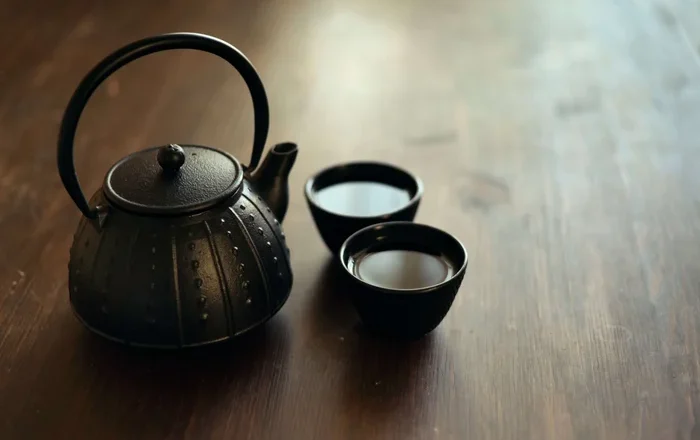
One of the most enduring aspects of traditional gathering customs is the preparation and sharing of food. Cooking over an open flame not only enhances the flavor of dishes but also encourages participation from everyone present. Whether roasting meats, baking bread, or simmering stews in cast iron kettles, the process is often as important as the meal itself.
Many cultures have developed unique methods for preparing food around the fire. For example, Eastern European communities are known for their kettle-cooked stews, while other regions specialize in spit-roasting or baking in hot embers. The use of cast iron cookware is a common thread, prized for its durability and ability to retain heat. For those curious about the history and care of these cooking tools, this introduction to cast iron cookware offers a comprehensive beginner’s guide.
To learn more about how different cultures approach kettle cooking, the article on cultural kettle cooking traditions explores global variations and recipes passed down through generations.
Storytelling and Oral Traditions by the Fire
Gathering around the fire has always provided a natural setting for storytelling. In many societies, oral traditions are the primary way of preserving history, teaching values, and entertaining both young and old. The flicker of flames creates an intimate atmosphere, encouraging listeners to focus and imagine the tales being told.
These stories often include myths, legends, and personal experiences, passed down through generations. The communal fire becomes a living archive, where knowledge and wisdom are shared freely. In some cultures, specific roles are assigned to storytellers, who are respected as keepers of tradition. The act of listening and participating in these sessions strengthens community bonds and ensures that cultural heritage endures.
Symbolism and Meaning in Fire Pit Gatherings
Beyond their practical and social functions, fire pit gatherings are rich in symbolism. The circle formed around the fire represents equality and unity, with everyone facing each other and the flames at the center. This arrangement fosters open communication and mutual respect, breaking down barriers between individuals.
In many traditions, the fire itself is seen as sacred. It may be used in rituals to honor ancestors, mark life transitions, or celebrate seasonal changes. The act of sharing food and stories around the fire reinforces the idea of community as a source of strength and support. These symbolic meanings continue to resonate, even as modern life evolves.

Modern Adaptations of Ancient Customs
While the world has changed dramatically, the appeal of gathering around a fire remains strong. Today, people recreate these age-old customs in backyards, parks, and campsites. Modern fire pits, outdoor kitchens, and communal grills are designed to bring people together in much the same way as their historical counterparts.
Families and friends use these spaces to celebrate milestones, host casual get-togethers, or simply enjoy each other’s company. Many find that unplugging from technology and focusing on face-to-face interaction leads to deeper connections. The popularity of outdoor cooking and communal dining reflects a desire to return to simpler, more meaningful ways of spending time together.
For those interested in the evolution of serving and eating together, the article on historic food serving methods explores how our ancestors set the table and the customs that shaped communal meals.
Preserving and Reviving Gathering Traditions
As urbanization and busy lifestyles threaten to erode communal practices, there is growing interest in preserving and reviving traditional gathering customs. Community groups, cultural organizations, and families are finding creative ways to keep these rituals alive. Hosting regular fire pit nights, organizing potlucks, or learning ancestral recipes are just a few ways to reconnect with the past.
Educational programs and cultural festivals often highlight the importance of these customs, inviting people of all ages to participate. By valuing and adapting these traditions, communities can strengthen their sense of identity and foster greater inclusion. The simple act of coming together around a fire continues to offer comfort, belonging, and a reminder of our shared humanity.
Frequently Asked Questions
What are some common foods prepared during fire pit gatherings?
Popular foods include roasted meats, vegetables, bread baked in embers, and stews cooked in cast iron pots. Each culture has its own specialties, often reflecting local ingredients and cooking techniques. The communal aspect of preparing and sharing these dishes is as important as the recipes themselves.
How can I incorporate traditional gathering practices into modern life?
Start by inviting friends or family to gather around a backyard fire pit or outdoor grill. Encourage everyone to participate in cooking, storytelling, or sharing music. Use cast iron cookware for an authentic touch, and consider learning about the customs of your own heritage or those of others to enrich the experience.
Why are fire pits considered important in many cultures?
Fire pits serve as a focal point for social interaction, symbolizing warmth, safety, and unity. They provide a space for storytelling, communal meals, and rituals that reinforce cultural identity. The circle around the fire encourages equality and open communication, making it a powerful tool for building community.


