
Few outdoor experiences are as satisfying as preparing a hearty stew over a crackling fire. The process of cooking stews over open flames combines traditional techniques with the pleasures of nature, resulting in meals that are both flavorful and memorable. Whether you’re a seasoned camper or new to outdoor cooking, mastering this method brings a sense of accomplishment and a delicious reward at the end of the day.
This article covers everything you need to know to successfully prepare stews on a campfire, from choosing the right equipment to managing your fire and perfecting your recipe. For those interested in expanding their outdoor culinary skills, you may also find inspiration in soup preparation over wood fires, which shares similar techniques and tips for open-fire cooking.
Essential Equipment for Outdoor Stew Preparation
Before you begin, it’s important to gather the right tools. The right equipment not only makes the process smoother but also ensures safety and enhances the flavor of your meal. Here’s what you’ll need for open-fire stew cooking:
- Cast iron pot or Dutch oven: These are ideal for even heat distribution and can withstand direct flames.
- Tripod or grill grate: Useful for suspending your pot above the fire or providing a stable surface.
- Long-handled utensils: Spoons and ladles with extended handles keep your hands safe from the heat.
- Heat-resistant gloves: Essential for handling hot cookware.
- Fireproof surface: A cleared area with rocks or a fire ring to contain the flames.
Proper care of your cast iron is crucial for longevity and performance. For detailed instructions on maintaining your cookware, refer to this guide on seasoning a cast iron kettle.
Building and Managing the Perfect Campfire
The foundation of any successful outdoor stew is a well-built fire. The goal is to create a steady, controlled heat source that can simmer your ingredients evenly. Here’s how to achieve that:
- Choose dry, seasoned wood: Hardwoods like oak, maple, or hickory burn longer and hotter, making them ideal for cooking.
- Start with a small teepee or log cabin structure: This encourages airflow and helps the fire catch quickly.
- Let the fire burn down to coals: Flames can be unpredictable, but glowing embers provide consistent heat for simmering stews.
- Maintain the fire: Add wood as needed, but avoid large flames that could scorch your pot or food.
Patience is key—wait until you have a good bed of coals before placing your pot over the fire. This ensures even cooking and reduces the risk of burning.
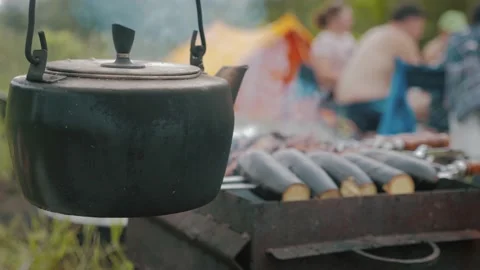
Step-by-Step Process for Cooking Stews Over Open Flames
Once your fire is ready and your equipment is in place, it’s time to start cooking. Follow these steps for a flavorful and satisfying meal:
- Prepare your ingredients: Chop vegetables, cut meat into bite-sized pieces, and measure out spices before you begin. This makes the process smoother and reduces time spent near the fire.
- Brown the meat (optional): For extra flavor, sear meat in the pot over the hottest part of the fire before adding other ingredients.
- Add aromatics and vegetables: Onions, garlic, and root vegetables can be sautéed briefly to release their flavors.
- Combine liquids and seasonings: Pour in broth, water, or wine, and add your chosen herbs and spices. Stir well to combine.
- Simmer slowly: Move the pot to a cooler area over the coals. Cover with a lid and let the stew cook gently, stirring occasionally to prevent sticking.
- Adjust heat as needed: If the stew is boiling too vigorously, raise the pot higher or move it further from the coals. If it’s not simmering, add a few more embers underneath.
- Taste and finish: After an hour or more, check for doneness. Adjust seasoning and serve hot.
Cooking times will vary depending on your ingredients and the heat of your fire, but most stews benefit from slow, steady simmering to develop deep flavors.
Tips for Enhancing Flavor and Texture
Stew recipes are highly adaptable, but a few strategies can help you get the most out of your campfire meal:
- Layer flavors: Sautéing aromatics and browning meat before simmering adds depth.
- Use fresh herbs: Add hardy herbs like thyme or rosemary early, and finish with delicate greens like parsley just before serving.
- Don’t rush: The longer your stew simmers, the richer the flavor and the more tender the ingredients.
- Thicken if needed: If your stew is too thin, remove the lid to let it reduce, or mash some of the vegetables into the broth.
- Experiment: Try adding beans, grains, or wild greens for variety and nutrition.
Cleaning Up and Caring for Your Cookware
Proper cleanup is essential for maintaining your gear and ensuring safe, enjoyable meals in the future. Here’s how to care for your cast iron after open-fire stew cooking:
- Let the pot cool: Never pour cold water into a hot cast iron pot, as this can cause cracking.
- Scrape out food residue: Use a wooden or plastic scraper to remove stuck-on bits.
- Rinse with hot water: Avoid soap, which can strip seasoning. If needed, use coarse salt as a gentle abrasive.
- Dry thoroughly: Place the pot over low heat to evaporate moisture.
- Re-season if necessary: Apply a thin layer of oil to protect the surface and prevent rust.
For more detailed care instructions, consult resources like the cast iron seasoning guide mentioned earlier.
Common Mistakes to Avoid When Cooking Stews Outdoors
Even experienced outdoor cooks can encounter challenges. Here are some pitfalls to watch out for:
- Using too much direct flame: This can burn your stew and damage your pot. Always cook over coals, not open flames.
- Neglecting to stir: Stews can stick to the bottom if left unattended. Stir regularly for even cooking.
- Overcrowding the pot: Give ingredients room to cook evenly. If needed, cook in batches.
- Not adjusting for wind or weather: Wind can increase heat and cause uneven cooking. Shield your fire if possible.
By paying attention to these details, you’ll improve your results and enjoy the process even more.
Frequently Asked Questions
What type of pot is best for making stew over a campfire?
A heavy-duty cast iron Dutch oven or kettle is ideal. Cast iron distributes heat evenly and can withstand the high temperatures of an open fire, making it perfect for cooking stews over open flames.
How do I keep my stew from burning on the bottom?
Always cook over a bed of hot coals rather than direct flames. Stir the stew regularly, and adjust the pot’s position to control the heat. Using a tripod or grill grate can help you regulate the distance from the heat source.
Can I use the same techniques for soups and other dishes?
Yes, many of the same principles apply to soups, braises, and even some baked dishes. For more ideas, check out resources on soup preparation over wood fires for additional recipes and tips.
Conclusion
Mastering the art of cooking stews over open flames is a rewarding way to enjoy the outdoors and create memorable meals. With the right equipment, careful fire management, and a few practical tips, anyone can prepare delicious, nourishing stews under the open sky. Remember to care for your cookware, experiment with flavors, and enjoy the process—each campfire meal is a unique experience.


