
Cooking outdoors is a timeless tradition that brings people together, whether it’s around a campfire, at a backyard gathering, or during a wilderness adventure. The variety of outdoor cooking rig setups available today means there’s a solution for every skill level and occasion. From simple tripod arrangements to advanced grilling stations, understanding the options can help you choose the right equipment for your needs and elevate your outdoor culinary experience.
In this guide, we’ll explore the evolution of outdoor cooking rigs, compare different setups, and offer practical advice for selecting, maintaining, and using your gear safely. If you’re interested in the history behind these tools, you might also enjoy reading about the evolution of cooking vessels and how pots have changed through history.
Understanding the Basics: Tripods and Simple Fire Rigs
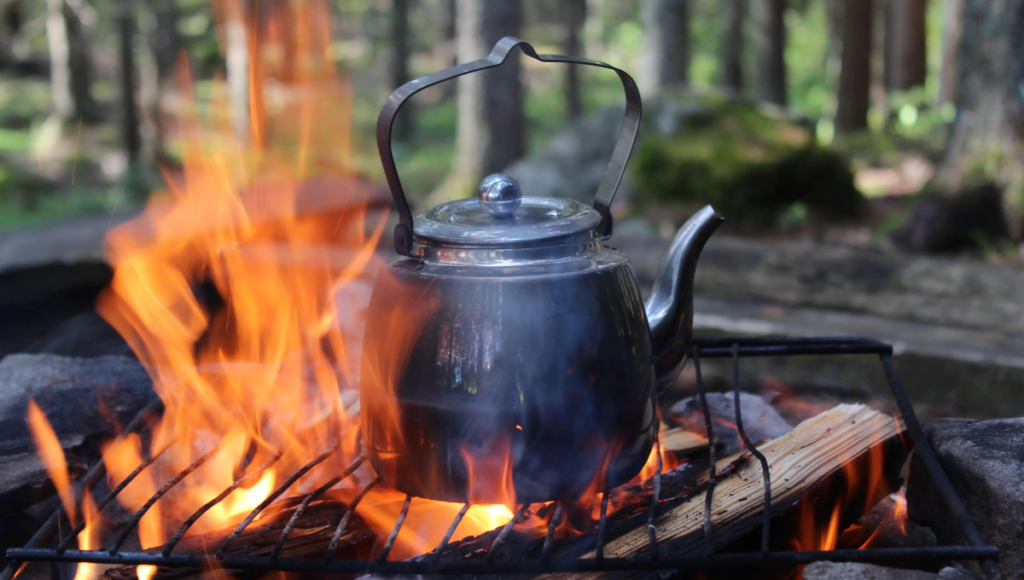
For many, the first introduction to outdoor cooking comes with a basic tripod or a simple fire rig. These setups are straightforward, portable, and ideal for beginners or those who appreciate traditional methods. A typical tripod consists of three metal legs joined at the top, with a chain or hook for suspending pots or kettles over an open flame. This arrangement is perfect for boiling water, making stews, or simmering soups in a camp setting.
Simple fire rigs can also include horizontal bars or grates placed over a fire pit. These allow for direct grilling or for supporting cookware. The main advantages of these basic systems are their ease of use, affordability, and minimal setup time. They are especially popular among campers and outdoor enthusiasts who value mobility and simplicity.
Intermediate Setups: Adjustable Grills and Swing Arms
As outdoor cooking has evolved, so have the tools. Intermediate rigs introduce features like adjustable grills and swing arms, which provide greater control over cooking temperatures and methods. Adjustable grills can be raised or lowered to regulate heat exposure, making them suitable for a wider range of recipes.
Swing arms, often attached to a central post or tripod, allow you to move pots and pans on or off the fire without lifting heavy cookware. This not only enhances safety but also enables multitasking—boiling water on one arm while grilling meat on another, for example. These setups are a step up in terms of versatility and are favored by those who frequently cook outdoors and want more flexibility than a basic tripod can offer.
Advanced Outdoor Cooking Stations: Pro Grills and Modular Systems
For those who take their outdoor cuisine seriously, advanced setups offer a range of features designed for performance and convenience. Professional-grade grills, modular stations, and multi-fuel rigs provide the ability to cook for larger groups and tackle more complex dishes. These systems often include:
- Multiple burners or fire zones for simultaneous cooking
- Integrated prep and storage areas
- Interchangeable grates, smokers, and rotisserie attachments
- Sturdy construction for stability and durability
Many advanced rigs are designed for backyard use, but some are portable enough for tailgating or glamping. The investment in these setups pays off in terms of versatility, efficiency, and the ability to create restaurant-quality meals outdoors.
Choosing the Right Outdoor Cooking Rig for Your Needs
Selecting the best setup depends on several factors, including your experience level, the types of food you like to prepare, group size, and how often you cook outside. Here are some considerations to help you decide:
- Portability: If you move locations often, opt for lightweight tripods or folding grills.
- Cooking Style: For slow-cooked stews, a tripod or swing arm is ideal. For grilling, a grate or advanced grill station is preferable.
- Capacity: Cooking for a crowd? Choose a larger, multi-burner system. For solo or duo outings, a compact rig suffices.
- Budget: Basic tripods are affordable, while pro grills require a larger investment.
It’s also worth considering the historical and cultural roots of outdoor cooking. For example, eastern european kettle cooking traditions have influenced many modern outdoor setups, especially those involving stews and soups cooked over open flames.
Essential Accessories and Maintenance Tips
Regardless of your chosen rig, a few key accessories can enhance your outdoor cooking experience:
- Heat-resistant gloves and utensils for safety
- Cast iron pots and pans for even heat distribution
- Grill brushes and scrapers for easy cleaning
- Protective covers to extend the life of your equipment
Proper maintenance is crucial, especially for cast iron cookware. Regular seasoning and cleaning will prevent rust and ensure longevity. For more information on caring for iron kettles and teapots, check out this guide to iron kettles and teapots that covers best practices for use and upkeep.
Safety Considerations for Outdoor Cooking
Safety is paramount when working with open flames and hot equipment. Here are some essential tips:
- Always set up your rig on stable, non-flammable ground away from overhanging branches.
- Keep a bucket of water or fire extinguisher nearby.
- Never leave a fire unattended.
- Allow equipment to cool before handling or packing away.
- Follow local regulations regarding open fires and outdoor cooking.
By following these precautions, you can enjoy your outdoor meals with peace of mind and reduce the risk of accidents.
Frequently Asked Questions
What is the best outdoor cooking rig for beginners?
For those just starting out, a basic tripod or simple grill grate is recommended. These are easy to use, require minimal setup, and are versatile enough for most campfire cooking needs.
How do I maintain cast iron cookware used outdoors?
After each use, clean your cast iron with warm water and a brush (avoid soap if possible). Dry thoroughly and apply a thin layer of oil to prevent rust. Store in a dry place. For more on the history and care of these tools, see the article on metal casting history.
Can I use my backyard grill for camping?
Some backyard grills are portable and suitable for camping, but always check the weight and assembly requirements. For remote locations, lightweight and collapsible rigs are more practical.
Conclusion
The world of outdoor cooking rig setups is rich with options, from minimalist tripods to sophisticated grilling stations. By understanding the features and benefits of each type, you can select the right equipment for your adventures and enjoy delicious meals in the great outdoors. Whether you’re simmering a stew over a campfire or grilling for a crowd, the right setup makes all the difference in both flavor and experience.


