
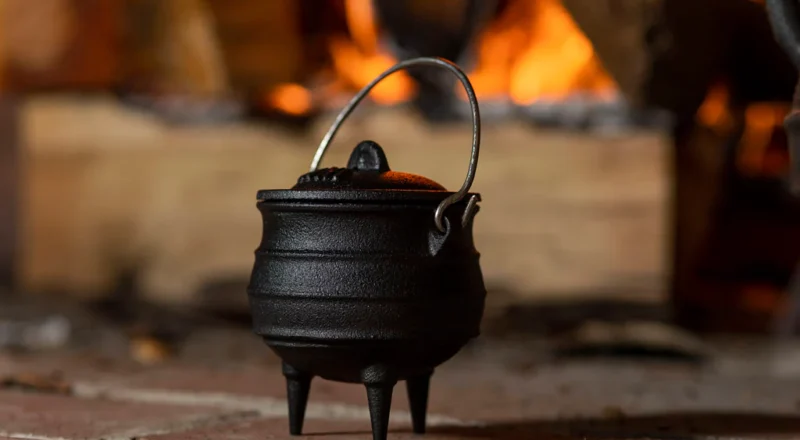
Cooking over an open flame is a tradition that spans centuries, offering a unique blend of flavor, atmosphere, and connection to culinary history. Among the many tools available for this style of cooking, cast iron stands out for its remarkable ability to retain and distribute heat. Understanding the cast iron heat retention benefits can help outdoor cooks, campers, and home chefs alike achieve better results and enjoy a more consistent cooking experience.
Cast iron cookware has been a staple in kitchens and campsites worldwide, prized for its durability and performance. When placed over an open flame, its heat-holding properties become especially valuable, allowing for even cooking and the development of rich, complex flavors. Whether you’re simmering a stew, searing meat, or baking bread, the qualities of cast iron can elevate your outdoor cooking to new heights.
For those interested in the roots of open-fire cooking, exploring eastern european kettle cooking reveals how traditional techniques and materials, like cast iron, have shaped culinary practices across cultures. This background helps explain why cast iron remains a top choice for open flame enthusiasts today.
Why Heat Retention Matters in Outdoor Cooking
When cooking over fire, temperature control is more challenging than with modern stovetops. The ability of your cookware to absorb, hold, and evenly release heat becomes crucial. Cast iron heat retention benefits are especially important in this context, as they help counteract the fluctuations and hotspots common with open flames.
- Consistent Temperatures: Cast iron holds onto heat long after being removed from the flame, ensuring food continues to cook evenly.
- Reduced Flare-Ups: The steady temperature minimizes the risk of burning or undercooking, even when flames flicker or wind shifts.
- Efficient Cooking: Less energy is wasted, and meals can be cooked with fewer adjustments to the fire.
These qualities make cast iron ideal for everything from slow-cooked stews to quick sears, giving cooks more control and confidence, even in unpredictable outdoor environments.
How Cast Iron Retains and Distributes Heat
The science behind cast iron’s performance lies in its composition and structure. Unlike thinner metals, cast iron is dense and has a high thermal mass. This means it takes longer to heat up, but once hot, it stays hot.
- Thermal Mass: The thick walls and base of cast iron cookware absorb a large amount of energy, storing it for gradual release.
- Even Distribution: Heat spreads uniformly across the surface, reducing cold spots and ensuring that food cooks at the same rate throughout the pan or pot.
- Retention Over Time: Even after the flame dies down, cast iron continues to radiate heat, making it perfect for dishes that benefit from gentle, residual warmth.
This combination of absorption and retention is what sets cast iron apart from other materials, especially when working with variable heat sources like wood or charcoal fires.
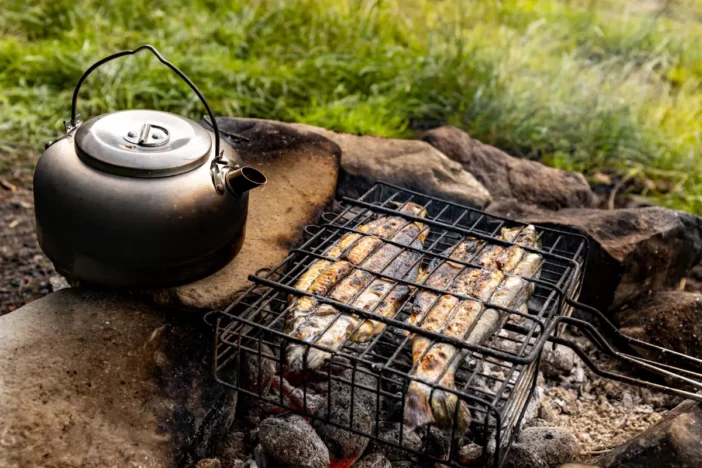
Practical Advantages for Open Flame Chefs
The heat retention properties of cast iron translate into several practical advantages for anyone cooking outdoors:
- Better Searing: The ability to maintain high temperatures means meats and vegetables develop a flavorful crust without sticking or burning.
- Slow Cooking: Stews, soups, and braises benefit from the gentle, even heat, allowing flavors to meld and ingredients to tenderize perfectly.
- Versatility: From baking bread to frying eggs, cast iron adapts to a wide range of recipes, all while delivering consistent results.
- Reduced Fuel Use: Since cast iron stays hot, you can often cook with less fire, saving wood or charcoal and making your setup more efficient.
These benefits are why cast iron remains a favorite for campfire cooks, backyard grillers, and anyone seeking reliability and flavor in their outdoor meals.
Comparing Cast Iron to Other Cookware Materials
While stainless steel, aluminum, and copper all have their place in the kitchen, they behave differently over open flames. Here’s how they stack up against cast iron:
| Material | Heat Retention | Heat Distribution | Best Use Cases |
|---|---|---|---|
| Cast Iron | Excellent | Very Good | Open flame, searing, slow cooking |
| Stainless Steel | Moderate | Good (with layered base) | Sautéing, boiling |
| Aluminum | Poor | Excellent | Quick cooking, lightweight needs |
| Copper | Low | Excellent | Precision tasks, not ideal for open flame |
For open flame applications, cast iron’s superior heat retention and resilience make it the clear winner, especially for recipes that require steady, reliable temperatures.
Maintaining Your Cast Iron for Optimal Performance
To maximize the heat retention benefits of your cast iron, proper care is essential. Seasoning your cookware creates a natural, non-stick surface and protects it from rust. After each use, clean with hot water and a brush (avoid soap), dry thoroughly, and apply a thin layer of oil. For a deeper dive into cast iron maintenance, consider reading this beginner’s guide to cast iron cookware.
Regular seasoning and gentle cleaning will keep your cookware performing at its best, ensuring it remains a reliable partner for all your outdoor culinary adventures.

Historical Context and Modern Applications
Cast iron’s legacy in open flame cooking is deeply rooted in history. From ancient hearths to pioneer campsites, its ability to withstand direct fire and hold heat made it indispensable. If you’re interested in how cookware has evolved, the article on evolution of cooking vessels offers a fascinating look at how materials and designs have changed over time.
Today, cast iron is enjoying a resurgence among outdoor enthusiasts and home cooks alike. Its timeless design and unmatched performance make it a smart investment for anyone serious about open flame cooking, whether in the backyard or on a remote trail.
Frequently Asked Questions
How does cast iron improve cooking results over an open flame?
Cast iron’s ability to absorb and retain heat ensures food cooks evenly, even when fire temperatures fluctuate. This leads to better browning, more consistent doneness, and less risk of burning or undercooking.
Is cast iron safe to use directly in a campfire?
Yes, cast iron is designed to withstand high temperatures and direct flames. Just be sure to use proper tools for handling, as the cookware will become extremely hot during use.
How can I maintain the heat retention properties of my cast iron cookware?
Regular seasoning, gentle cleaning, and thorough drying will preserve your cookware’s surface and structural integrity. Avoid sudden temperature changes, which can cause cracking, and always store your cast iron in a dry place.
Conclusion
The cast iron heat retention benefits make this material a standout choice for open flame cooking. Its ability to maintain steady, even heat transforms outdoor meals, delivering superior flavor and reliability. With proper care, cast iron cookware will serve you well for generations, connecting you to a rich tradition of fire-cooked food and timeless craftsmanship.


