
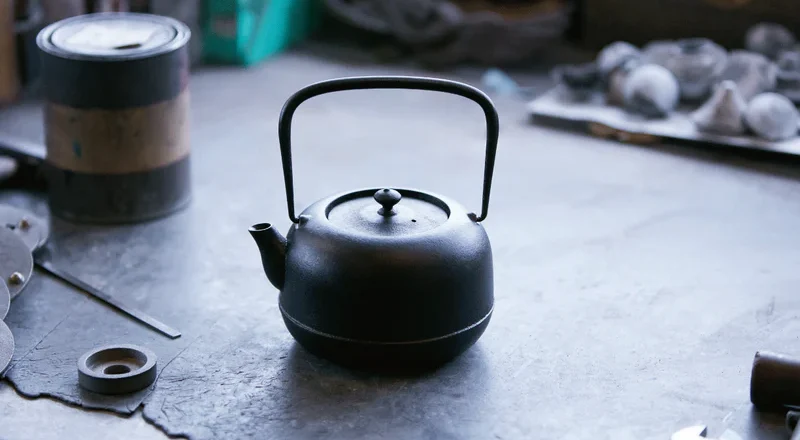
Cooking over an open flame brings a unique flavor and experience, but it also introduces challenges—especially when it comes to keeping food free from unwanted debris. Ash management around cooking fires is a crucial skill for anyone who enjoys outdoor cooking, whether you’re simmering a stew, grilling, or preparing rustic meals for a crowd. Without proper attention, ash can easily contaminate your dishes, affect taste, and even pose health risks. This article offers practical strategies to help you control ash, maintain a clean cooking environment, and enjoy delicious results every time you cook over fire.
For those passionate about outdoor feasts, learning the essentials of ash control is just as important as mastering fire-building or choosing the right cookware. If you’re interested in exploring more about equipment and techniques for open-fire cooking, check out our guide on rustic event catering equipment for beautiful outdoor feasts.
Why Ash Accumulates and How It Affects Cooking
When wood or charcoal burns, it leaves behind ash—a fine, powdery residue. While some ash is inevitable, excessive buildup can become a nuisance. Wind, movement, or even stirring the fire can send ash airborne, where it may settle on cookware or directly onto food. This not only impacts flavor but can also introduce gritty textures and, in some cases, contaminants.
Understanding the sources and behavior of ash is the first step in effective ash management around cooking fires. Factors such as the type of fuel, fire size, and weather conditions all play a role in how much ash is produced and how easily it spreads.
Best Practices for Ash Control During Outdoor Cooking
Keeping food clean starts with a few simple but essential habits. Here are proven methods to minimize ash contamination:
- Choose the right fire site: Set up your fire in a sheltered area, away from strong winds that can blow ash onto your cooking surface.
- Use seasoned, dry wood: Wet or green wood produces more smoke and ash. Opt for dry, well-seasoned wood or high-quality charcoal for a cleaner burn.
- Maintain a moderate fire: Large, roaring fires create more turbulence and ash. A steady, controlled flame is easier to manage and produces less debris.
- Position cookware carefully: Place pots, pans, or grills slightly above the flames and away from direct ash fallout. Lids can help shield food from airborne particles.
- Regularly remove excess ash: Use a metal shovel or scoop to clear ash from the fire area as it builds up, especially before adding new fuel.

Tools and Equipment for Cleaner Cooking Fires
Having the right gear can make a significant difference in managing ash and maintaining a hygienic cooking zone. Consider these essentials for your next outdoor meal:
- Fire grates and raised grills: Elevate cookware above the fire to minimize direct contact with ash.
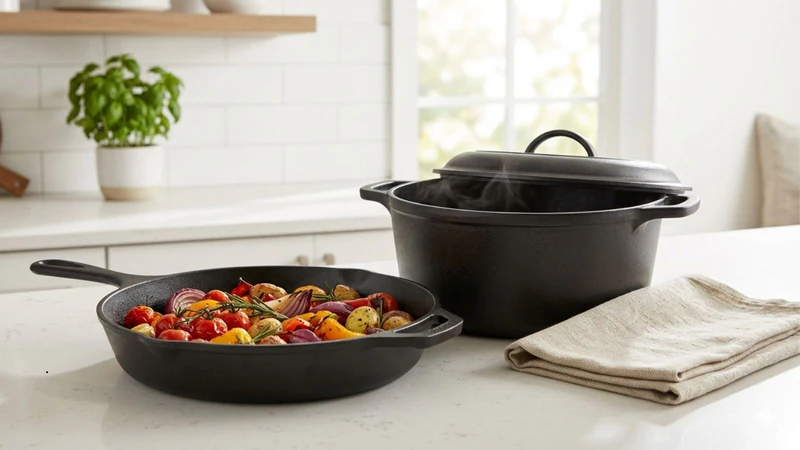
- Cast iron cookware: Durable and easy to clean, cast iron is ideal for open-fire cooking. For tips on choosing the best kettle, see this cast iron kettle selection guide.
- Long-handled tools: Tongs, spatulas, and shovels with extended handles keep your hands safe and allow you to adjust fuel and ash without getting too close.
- Heat-resistant gloves: Protect your hands when handling hot cookware or removing ash.
- Metal buckets or containers: Safely store removed ash until it cools for proper disposal.
For those interested in traditional outdoor cooking, our article on primitive cooking methods explores techniques that naturally reduce ash exposure and enhance flavor.
Routine Ash Removal and Safe Disposal
Consistent removal of ash is essential for both cleanliness and fire safety. Here’s how to handle it efficiently:
- Wait until the fire has cooled and embers are no longer glowing before attempting to remove ash.
- Use a metal scoop or shovel to transfer ash into a designated metal container.
- Store the container away from flammable materials until the ash is completely cool.
- Dispose of cooled ash according to local regulations, or repurpose it in your garden as a soil amendment if appropriate.
Never dispose of hot ash on the ground or in plastic containers, as this can cause accidental fires or environmental harm.
Additional Tips for Keeping Food Ash-Free
- Cover food when possible: Use lids or foil to shield dishes from airborne particles.
- Monitor wind direction: Position yourself and your cookware so that wind carries ash away from your cooking area.
- Clean cookware promptly: After cooking, wipe down pots and pans to remove any ash residue before it becomes stubborn.
- Organize your cooking zone: Keep fuel, tools, and finished dishes separated to avoid cross-contamination.
If you’re preparing meals for a group, our resource on communal meal cooking methods offers advice on scaling up while maintaining cleanliness and flavor.
Common Mistakes to Avoid With Ash Around Fires
- Letting ash accumulate too long before removal, increasing the risk of contamination and fire hazards.
- Using wet or unseasoned wood, which produces more ash and smoke.
- Cooking directly over large, ashy fires rather than using a bed of coals.
- Neglecting to cover food or cookware, especially in windy conditions.
- Improper disposal of hot ash, which can lead to accidental fires.
FAQ: Ash and Outdoor Cooking
How often should I remove ash from my cooking fire?
It’s best to clear out excess ash before each cooking session and periodically during long cooks. This ensures proper airflow, reduces the risk of ash blowing onto food, and helps maintain a steady temperature.
Can ash from cooking fires be used in the garden?
Yes, cooled wood ash can be used as a soil amendment in gardens, as it adds potassium and raises pH. However, avoid using ash from treated wood or charcoal briquettes with additives, as these can be harmful to plants.
What’s the safest way to dispose of ash after cooking?
Always let ash cool completely in a metal container before disposal. Check local guidelines—some areas allow you to spread ash in gardens, while others require it to be bagged and placed with household waste.
Conclusion
Mastering ash management around cooking fires is essential for anyone who values clean, flavorful food and a safe outdoor cooking experience. By choosing the right fuel, maintaining your fire, using appropriate tools, and staying vigilant about ash removal, you can enjoy open-fire meals without unwanted contamination. For those eager to expand their skills, exploring broth making over fire pits or learning about cowboy cooking equipment can further enhance your outdoor culinary adventures.


