
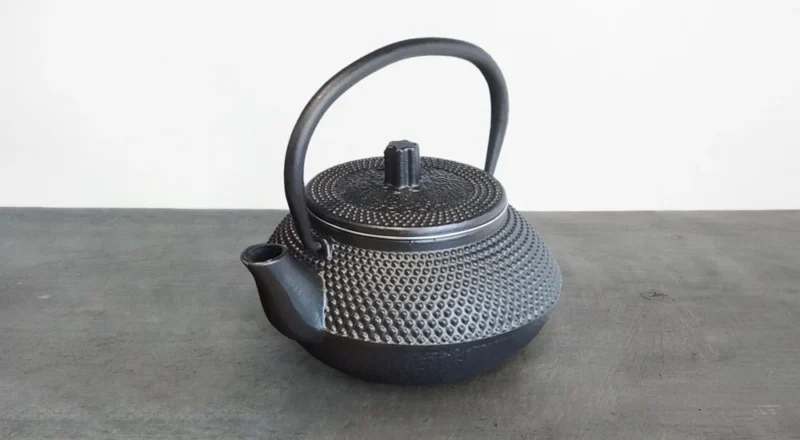
Cast iron cookware is prized for its durability, heat retention, and timeless appeal. However, one common challenge faced by cast iron enthusiasts is preventing soot buildup on cast iron surfaces, especially when cooking over open flames or using traditional stoves. Soot not only mars the appearance of your pots and kettles but can also affect flavor and make cleaning more difficult. Fortunately, with the right techniques and care, you can keep your cast iron looking clean and performing at its best.
This guide explains practical methods to minimize soot accumulation, maintain your cookware’s finish, and ensure every meal is as enjoyable as possible. Whether you’re an outdoor cooking fan or simply want to preserve your kitchenware, these strategies will help you achieve a spotless, well-seasoned surface.
For those interested in the cultural background of cast iron use, you might enjoy exploring cultural kettle cooking traditions from around the world, which highlight how different societies have handled cookware maintenance through history.
Understanding Soot and Its Causes
Soot is a black, powdery residue that forms when organic materials, such as wood or charcoal, burn incompletely. When cast iron pots are used over open flames, especially outdoors or on gas stoves, soot can quickly accumulate on the exterior. This residue is not only unsightly but can transfer to hands, clothing, and kitchen surfaces.
The main factors contributing to soot buildup include:
- Using damp or unseasoned firewood
- Cooking over low-oxygen flames (yellow or flickering flames)
- Improper placement of cookware in the fire
- Lack of regular cleaning and seasoning
Best Practices for Minimizing Soot on Cast Iron
To keep your cookware clean and reduce the hassle of scrubbing, follow these proven tips for preventing soot buildup on cast iron surfaces:
Choose the Right Fuel and Flame
Whenever possible, use dry, seasoned hardwood for campfires or wood stoves. This type of wood burns hotter and cleaner, producing less soot than softwoods or damp materials. Avoid using green wood, leaves, or other materials that create excessive smoke and residue.
On gas stoves, adjust the burner so the flame is blue rather than yellow. A blue flame indicates complete combustion, which results in less soot formation.
Proper Pot Placement
Position your cast iron above the hottest part of the fire, where combustion is most efficient. Avoid placing pots directly in thick smoke or on the edges of a fire where flames are weak and oxygen is limited. Using a tripod or grill grate can help keep cookware at the optimal height.

Use a Barrier to Protect the Exterior
Many experienced outdoor cooks wrap the outside of their cast iron with a thin layer of aluminum foil before placing it over a fire. This barrier catches soot, making cleanup as simple as removing the foil after cooking. Alternatively, you can dedicate one pot for outdoor use and accept a weathered look, but for those who want to keep their cookware pristine, a barrier is highly effective.
Maintain a Good Seasoning Layer
Seasoning is the process of building up a layer of polymerized oil on the surface of cast iron. Not only does this prevent rust and create a natural nonstick finish, but it also makes soot easier to remove. After each use, clean your cookware and apply a thin coat of oil, then heat it until it smokes lightly. This strengthens the protective layer and helps repel soot and other residues.
Cleaning Soot from Cast Iron Safely
Even with the best prevention methods, some soot may still accumulate. Here’s how to remove it without damaging your cookware:
- Allow the pot to cool completely before cleaning.
- Wipe off loose soot with a dry cloth or paper towel outdoors to avoid spreading residue inside.
- For stubborn spots, use a stiff brush or non-metallic scrubber with warm water. Avoid harsh detergents that can strip seasoning.
- If needed, a paste of baking soda and water can help lift tough soot without scratching the surface.
- After cleaning, dry thoroughly and reapply a thin layer of oil to maintain the seasoning.
For more details on caring for your teapots and kettles, see this comprehensive guide to cast iron teapot care.
Long-Term Strategies for Spotless Cookware
Consistency is key to keeping your cast iron in top condition. Here are some additional habits to adopt:
- Store cookware in a dry place to prevent moisture buildup and rust.
- Inspect pots and pans regularly for signs of residue or wear.
- Re-season as needed, especially after heavy cleaning or exposure to harsh conditions.
- Educate family and friends who use your cookware about proper cleaning and maintenance.
Learning from outdoor hospitality traditions can also provide valuable insights into maintaining cookware in challenging environments.

Common Mistakes to Avoid
When working to keep your cast iron clean, avoid these pitfalls:
- Using soap or harsh chemicals that strip away seasoning
- Leaving cookware wet, which can cause rust and make soot harder to remove
- Scraping with metal tools that may scratch or damage the surface
- Neglecting to re-season after cleaning or heavy use
By steering clear of these errors, you’ll extend the life and beauty of your cast iron pieces.
Frequently Asked Questions
How often should I clean soot from my cast iron cookware?
It’s best to remove soot after each use, especially if you’ve cooked over an open flame. Regular cleaning prevents buildup and makes future maintenance easier.
Can I use dish soap to clean soot from cast iron?
It’s generally recommended to avoid dish soap, as it can strip the seasoning. Instead, use warm water, a brush, and gentle abrasives like baking soda if needed.
What’s the safest way to season cast iron after cleaning soot?
After cleaning, dry the cookware thoroughly. Apply a thin layer of neutral oil (such as flaxseed or canola) to all surfaces, then heat in an oven or over a burner until it smokes lightly. This will help restore the protective seasoning layer.
Is it normal for cast iron to develop some discoloration after outdoor use?
Yes, minor discoloration or darkening is typical, especially with frequent outdoor cooking. As long as the surface remains smooth and rust-free, this is not a problem and can add character to your cookware.
Conclusion
Maintaining spotless cast iron is achievable with the right habits and a little extra care. By choosing proper fuel, positioning your cookware wisely, using barriers, and keeping up with seasoning, you can greatly reduce soot accumulation. Regular cleaning and attention to detail will keep your pots and pans looking their best for generations to come. For those passionate about culinary history, exploring cooking vessel designs through history can deepen your appreciation for the enduring value of cast iron in kitchens worldwide.


