
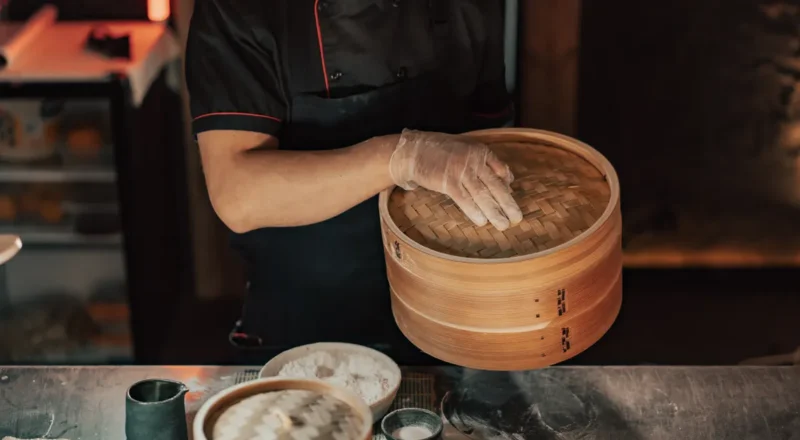
Steam cooking is a time-tested culinary technique that uses hot vapor to gently prepare food, offering a simple way to create meals that are both flavorful and nourishing. As more people look for healthier meal preparation methods, understanding how to use steam effectively in the kitchen can make a real difference. This article explores the fundamentals of steam cooking techniques, their health advantages, and how they compare to other popular cooking methods. Whether you’re new to steaming or want to refine your approach, you’ll find practical advice and clear answers to common questions about this versatile method.
Understanding the Basics of Steam Cooking
At its core, steam cooking involves preparing food using the vapor produced by boiling water. Unlike boiling, where food is submerged in water, steaming suspends ingredients above the liquid, allowing hot vapor to cook them gently and evenly. This approach keeps food tender and moist, as the steam surrounds each piece without direct contact with water.
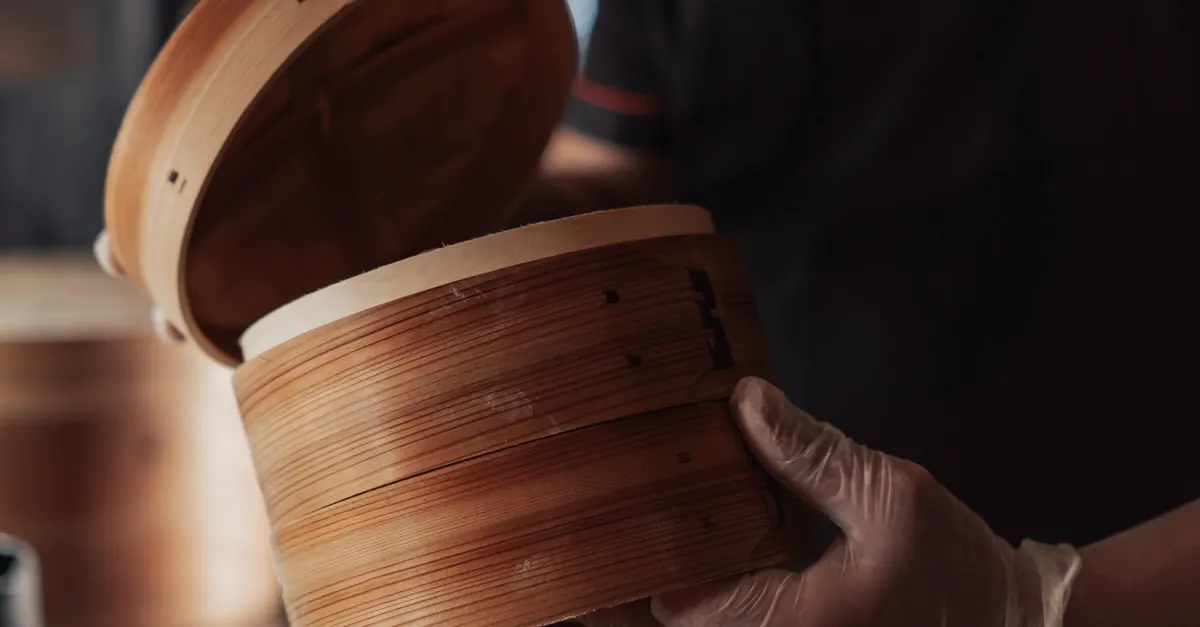
One of the most common tools for steaming is the steamer basket, which fits inside a pot above simmering water. Food is placed in the basket, and the lid traps the vapor, ensuring even cooking. For those seeking more advanced options, a pressure cooker can be used. According to culinary sources, a pressure cooker raises the boiling point of water, allowing for hotter and faster steaming, which is especially useful for tougher vegetables or proteins.
Steaming is not limited to vegetables. Fish, poultry, dumplings, and even some grains can be prepared using this method. The process helps preserve the bright color and crisp-tender texture of vegetables, making them more appealing and nutritious.
Essential equipment for steam cooking includes:
- Steamer basket (metal, bamboo, or silicone)
- Pot or saucepan with a tight-fitting lid
- Pressure cooker (optional for faster results)
- Electric steamers for convenience
These tools are widely available and easy to use, making steam cooking accessible for home cooks at any skill level.
Health Benefits of Steam Cooking
One of the main reasons people turn to steam cooking techniques is the potential for better nutrient preservation. Unlike methods that require submerging food in water or adding fats, steaming allows ingredients to retain more of their natural vitamins and minerals. Water-soluble nutrients, such as vitamin C and certain B vitamins, are less likely to leach out during steaming compared to boiling.
Steaming also avoids the need for added oils or fats, which can contribute extra calories and saturated fats to meals. This makes it a preferred method for those aiming to reduce their fat intake or manage their weight. Additionally, steaming helps preserve the natural flavors and colors of food, making dishes more visually appealing and palatable without relying on heavy sauces or seasonings.
The key health benefits of steam cooking include:
- Nutrient preservation: Less loss of vitamins and minerals compared to boiling or frying.
- Lower fat content: No need for added oils or fats.
- Enhanced flavor and texture: Foods remain moist, tender, and vibrant.
- Digestibility: Gentle cooking makes many foods easier to digest.
Comparing Steam Cooking with Other Methods
To fully appreciate the advantages of steaming, it’s helpful to compare it directly with other common cooking methods such as boiling, frying, and baking. Each technique has its own impact on nutrition, flavor, and texture.
| Method | How It Works | Nutrition Impact | Typical Uses |
|---|---|---|---|
| Steaming | Hot vapor cooks food above boiling water | Excellent nutrient retention, no added fat | Vegetables, fish, poultry, dumplings |
| Boiling | Food submerged in boiling water | Some nutrients lost to water | Pasta, potatoes, eggs |
| Frying | Food cooked in hot oil | Higher fat content, some nutrient loss | Meats, potatoes, snacks |
| Baking | Dry heat in an oven | Varies by recipe, may require added fat | Breads, casseroles, desserts |
Compared to boiling, steaming keeps most nutrients in the food rather than letting them leach into the cooking water. Unlike frying, it doesn’t require oil, which means fewer calories and less saturated fat. Baking can be healthy, but often involves added fats or sugars, depending on the recipe.
For a deeper look at how steaming stacks up against boiling, you might find this discussion of steam cooking vs boiling helpful for understanding the subtle differences in health outcomes and food quality.
Pros and cons of steam cooking compared to other methods:
Pros
- Preserves more nutrients than boiling or frying
- No need for added fats
- Maintains food’s natural color and texture
- Simple and generally safe to use
Cons
- May not develop crispy textures or browning
- Limited to foods that steam well (not ideal for all recipes)
- Requires specific equipment
Practical Tips for Effective Steam Cooking
To get the most out of steam cooking techniques, it’s important to follow a few best practices. Here are some practical tips to help you achieve consistent, delicious results:
- Don’t overcrowd the steamer: Arrange food in a single layer with space for steam to circulate. Overcrowding can lead to uneven cooking.
- Cut food to uniform size: Evenly sized pieces ensure that everything cooks at the same rate.
- Start with boiling water: Bring water to a boil before adding food to the steamer basket. This helps maintain a steady temperature and reduces cooking time.
- Use a tight-fitting lid: Prevent steam from escaping to keep the cooking environment hot and moist.
- Add aromatics for flavor: Place herbs, citrus slices, or spices in the water to subtly infuse food with extra flavor.
- Monitor water level: Check periodically to ensure the pot doesn’t run dry, especially for longer steaming sessions.
- Try a pressure cooker for dense foods: As noted earlier, a pressure cooker can speed up steaming and is ideal for tougher vegetables or proteins.
Foods that are especially well-suited for steaming include:
- Broccoli, carrots, green beans, and other vegetables
- Fish fillets and shellfish
- Chicken breasts and thighs
- Dumplings and buns
- Rice and some grains (with specialized steamers)
Common mistakes to avoid:
- Letting the water boil dry
- Opening the lid too often, which lets out steam and slows cooking
- Using too much water, which can cause food to become soggy if it touches the liquid

Conclusion
Steaming is a straightforward, effective way to prepare meals that are both healthy and delicious. By using hot vapor instead of direct heat or oil, you can preserve nutrients, enhance natural flavors, and keep dishes light. With just a few basic tools and some simple techniques, anyone can start incorporating steaming into their cooking routine. Whether you’re preparing vegetables, fish, or dumplings, this method offers a reliable path to healthier meals with minimal fuss.
Frequently Asked Questions
What are the main advantages of steam cooking?
Steam cooking preserves more nutrients, requires no added fats, and keeps food moist and flavorful. It’s also a gentle method that works well for a variety of foods, making it a popular choice for those seeking healthier meal options.
Are there any disadvantages to using steam for cooking?
While steaming is excellent for nutrient retention and low-fat meals, it doesn’t produce crispy textures or browning. Some foods may not be suitable for steaming, and you’ll need specific equipment like a steamer basket or pressure cooker.
How does steam cooking compare to boiling?
Steaming keeps food above the water, so fewer nutrients are lost compared to boiling, where vitamins and minerals can leach into the cooking water. For a detailed comparison, see the article on steam cooking vs boiling.


