
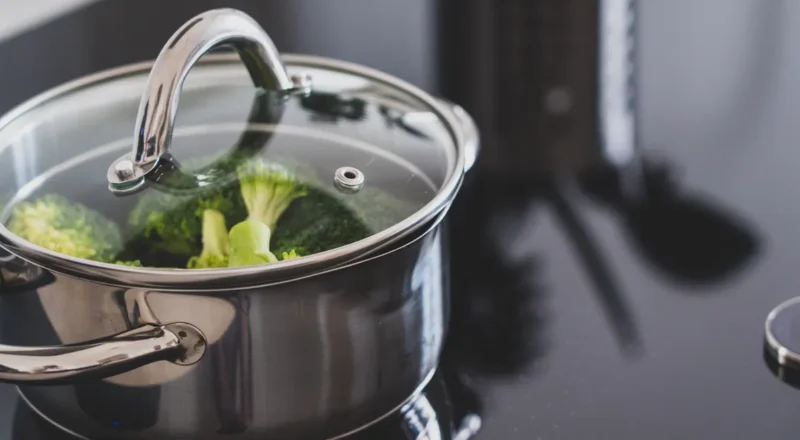
When it comes to preparing vegetables, the debate between steam cooking vs boiling is a common one. Both methods have their own set of advantages and disadvantages, impacting everything from nutrient retention to flavor and texture. Understanding these differences can help you make healthier choices in the kitchen. Whether you’re a health-conscious cook or simply looking to enhance the taste and nutritional value of your meals, this comparison will guide you through the nuances of each method. For those interested in exploring the best tools for steaming, check out our guide on the best steam cookers.

Quick Comparison
| Aspect | Steam Cooking | Boiling |
|---|---|---|
| Nutrient Retention | Preserves water-soluble vitamins like Vitamin C and B-complex. | Can cause nutrient leaching into water. |
| Flavor and Texture | Maintains natural flavor and crisp texture. | May result in softer texture and diluted flavor. |
| Energy Efficiency | Generally more energy-efficient. | Requires more energy due to longer cooking times. |
| Best for | Vegetables like broccoli and leafy greens. | Root vegetables like carrots and potatoes. |
For more insights on steam cooking tools, visit our comprehensive guide on the best steam cookers.
Steam Cooking
Steam cooking is a method that uses hot steam to cook food, preserving its natural flavors and nutrients. This technique is particularly effective for vegetables, as it helps maintain their vibrant color and crisp texture. Steaming is also known for its ability to retain essential vitamins and minerals, making it a popular choice for health-conscious individuals.
Pros
- Preserves water-soluble vitamins and minerals.
- Maintains the natural flavor and texture of vegetables.
- More energy-efficient compared to boiling.
Cons
- Requires specific equipment like steamers.
- May not be suitable for all types of vegetables.
Boiling
Boiling involves cooking food in water at high temperatures. While this method is straightforward and commonly used, it can lead to nutrient loss as vitamins and minerals leach into the water. However, boiling is effective for certain vegetables, enhancing their antioxidant properties and making them easier to digest.
Pros
- Simple and requires minimal equipment.
- Enhances antioxidant properties in some vegetables.
- Ideal for root vegetables.
Cons
- Can result in nutrient loss.
- May lead to a softer texture and diluted flavor.
Head-to-Head Comparison
When comparing steam cooking vs boiling, several factors come into play. In terms of performance, steaming is often preferred for its ability to preserve nutrients and maintain the natural flavor of vegetables. Boiling, while effective for certain vegetables, can lead to nutrient loss. Features of steaming include the use of steamers, which can be more energy-efficient than boiling. In terms of build quality, steamers are designed to retain heat and moisture, whereas boiling requires a pot and more water. Pricing for steamers can vary, but they generally provide good value for money due to their efficiency. Durability of steamers is typically high, as they are built to withstand high temperatures. Ultimately, steaming is best for those who prioritize nutrient retention and flavor, while boiling is suitable for those who prefer simplicity and are cooking root vegetables.
Which One Should You Choose?
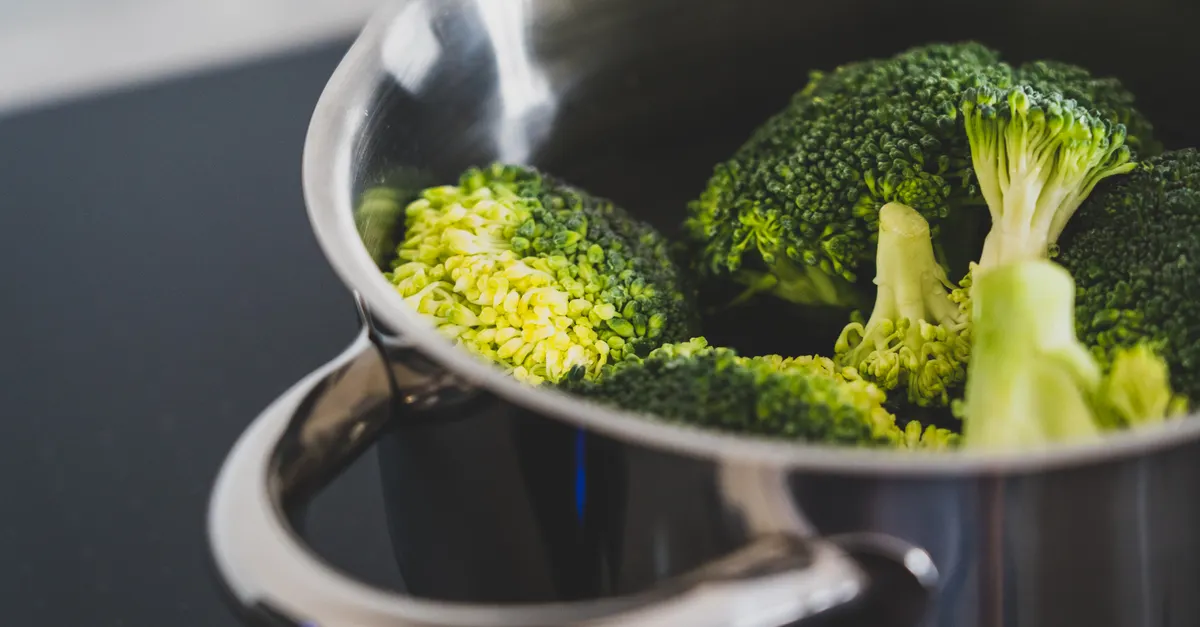
Choosing between steaming and boiling depends on your cooking goals and the types of vegetables you prefer. If you’re looking to maximize nutrient retention and enjoy crisp, flavorful vegetables, steaming is the way to go. It’s particularly beneficial for delicate vegetables like broccoli and spinach. On the other hand, if you prefer a straightforward method and are cooking root vegetables like carrots and potatoes, boiling might be more suitable. Consider your dietary needs and cooking preferences to make the best choice for your kitchen.
When considering the environmental impact of steam cooking versus boiling, it’s important to note that steaming typically uses less water and energy, making it a more eco-friendly option. The reduced water usage not only conserves resources but also minimizes the energy required to heat large volumes of water, which is a significant factor in boiling. Additionally, the shorter cooking times associated with steaming further contribute to its energy efficiency, reducing the overall carbon footprint of meal preparation.
In terms of specific vegetables, while leafy greens and broccoli are ideal candidates for steaming due to their delicate nature and need for nutrient preservation, root vegetables like carrots and potatoes benefit from boiling. This is because boiling can enhance the texture of these denser vegetables, making them softer and easier to mash or puree. For those looking to maximize the nutritional and flavor profiles of their vegetables, understanding which method suits each type can lead to better culinary outcomes.
Common misconceptions about steaming and boiling often revolve around their perceived complexity and effectiveness. Some believe steaming is more cumbersome due to the need for specialized equipment, yet modern steamers are designed for ease of use and can be as straightforward as boiling. Conversely, boiling is sometimes thought to be less effective in preserving nutrients, but it can enhance certain antioxidant levels, such as carotenoids in carrots, according to Down to Earth. Understanding these nuances can help dispel myths and guide healthier cooking choices.
Frequently Asked Questions
What are the nutritional differences between steaming and boiling vegetables?
Steaming preserves more water-soluble vitamins and minerals, while boiling can lead to nutrient loss into the water.
How do steaming and boiling affect the texture and flavor of vegetables?
Steaming maintains a crisp texture and natural flavor, whereas boiling can result in a softer texture and diluted flavor.
Which cooking method is more energy-efficient?
Steaming is generally more energy-efficient as it requires less water and time compared to boiling.
Are there specific vegetables that are better suited for steaming or boiling?
Leafy greens and broccoli are better steamed, while root vegetables like carrots and potatoes are well-suited for boiling.
What are the potential disadvantages of steaming and boiling?
Steaming requires specific equipment, while boiling can lead to nutrient loss and a softer texture.


[…] a deeper look at how steaming stacks up against boiling, you might find this discussion of steam cooking vs boiling helpful for understanding the subtle differences in health outcomes and food […]