
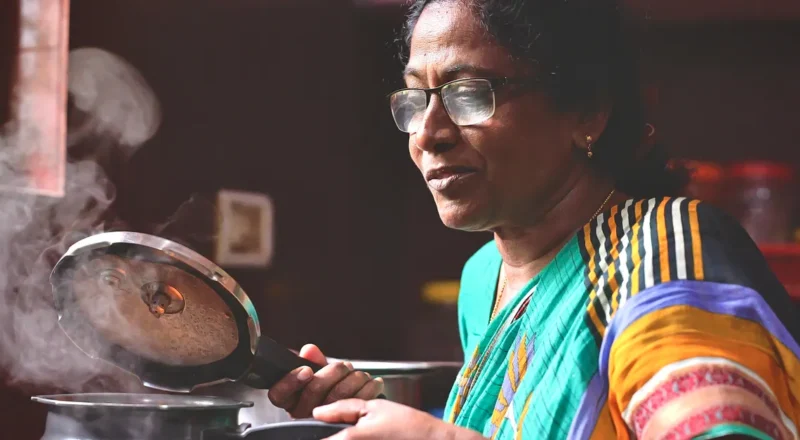
When it comes to preparing meals efficiently and healthily, two popular methods often come to mind: steam cooking and pressure cooking. Both techniques offer unique benefits and are favored for different reasons. Understanding the differences between these cooking methods can help you decide which is best suited for your culinary needs. Whether you’re a health-conscious cook or someone looking to save time in the kitchen, this comparison will provide valuable insights into each method’s advantages and disadvantages. For more on the benefits of steam cooking, check out our article on steam cooking benefits.
Quick Comparison
| Aspect | Steam Cooking | Pressure Cooking |
|---|---|---|
| Key Features | Uses steam to cook food gently, preserving nutrients. | Uses high pressure to cook food quickly, enhancing flavor. |
| Pros |
|
|
| Cons |
|
|
| Ideal Use-Case | Best for health-conscious cooking and preserving food quality. | Best for quick meals and enhancing flavors. |
For more insights on steam cooking appliances, explore our guide on the best steam cooking appliances.
Understanding Steam Cooking
Steam cooking is a method that uses hot steam to cook food, allowing it to retain most of its nutrients and natural flavors. This method is particularly beneficial for cooking vegetables, fish, and other delicate foods that might lose their texture and nutritional value through other cooking methods. Steam cooking is also known for its energy efficiency and simplicity, making it a popular choice for health-conscious individuals.
Pros
- Preserves nutrients and vitamins effectively.
- Maintains the natural flavor and texture of food.
- Energy-efficient and environmentally friendly.
Cons
- Longer cooking times compared to pressure cooking.
- Limited to foods that can be steamed.
Exploring Pressure Cooking
Pressure cooking involves cooking food at high pressure, which significantly reduces cooking times while enhancing the flavors and textures of the food. This method is ideal for preparing tougher cuts of meat and legumes, as it breaks down fibers and makes them more digestible. According to The Veggie Queen, pressure cooking can penetrate the cell walls of vegetables, making them more nutritious and digestible.
Pros
- Significantly reduces cooking time.
- Enhances flavors and textures.
- Versatile for a variety of dishes.
Cons
- Can overcook food if not monitored.
- Requires careful handling due to pressure.
Head-to-Head Comparison
When comparing steam cooking and pressure cooking, several factors come into play, including performance, features, build quality, pricing, and durability. Steam cooking is generally more energy-efficient and better for preserving nutrients, making it ideal for health-conscious cooks. On the other hand, pressure cooking excels in speed and flavor enhancement, making it perfect for those who need to prepare meals quickly. Both methods have their unique strengths, and the choice largely depends on your cooking needs and preferences.
Which One Should You Choose?
If you’re focused on maintaining the nutritional value of your meals and enjoy cooking vegetables and delicate foods, steam cooking is the way to go. However, if you’re often pressed for time and need to prepare hearty meals quickly, pressure cooking might be your best bet. Consider your cooking habits and the types of meals you frequently prepare when deciding between these two methods.
Are There Nutritional Differences Between Steam and Pressure Cooking?
When it comes to nutritional retention, both steam and pressure cooking have their merits. Steam cooking is renowned for preserving the vitamins and minerals in vegetables due to its gentle cooking approach. This method minimizes nutrient loss, making it a preferred choice for health-conscious individuals focused on maximizing the nutritional value of their meals. On the other hand, pressure cooking, while operating at higher temperatures and pressures, also retains a significant amount of nutrients. According to The Veggie Queen, pressure cooking can break down the cell walls of vegetables, which not only makes them more digestible but can also enhance the bioavailability of certain nutrients.
Energy Efficiency: Steam vs Pressure Cooking
In terms of energy efficiency, both methods offer advantages, though they differ in their approach. Steam cooking is generally energy-efficient because it uses minimal water and retains heat well within the cooking vessel. This method is particularly beneficial for small to medium-sized meals. Pressure cooking, however, is often more energy-efficient for larger meals or tougher ingredients due to its rapid cooking times. By cooking foods faster, pressure cookers reduce the total energy consumption compared to longer cooking methods.
Safety Considerations
Safety is a crucial factor when choosing between steam and pressure cooking. Steam cooking is relatively straightforward and poses minimal risk, as it operates at lower pressures. Pressure cooking, while efficient, requires careful handling due to the high pressure involved. Modern pressure cookers come equipped with multiple safety features, such as pressure release valves and locking lids, to mitigate risks. However, users must always follow manufacturer guidelines to ensure safe operation.
Frequently Asked Questions
What are the main differences between steam cooking and pressure cooking?
Steam cooking uses steam to gently cook food, preserving nutrients, while pressure cooking uses high pressure to cook food quickly, enhancing flavor and texture.
Can a pressure cooker be used as a steamer?
Yes, many pressure cookers have a steam function that allows them to be used as steamers, although the process may differ slightly from traditional steam cooking.
What should not be cooked in a pressure cooker?
Delicate foods like fish and certain vegetables may not fare well in a pressure cooker as they can become overcooked or lose their texture.


