

Steam cooking has steadily gained attention among health-conscious home cooks and culinary professionals alike. This gentle method uses hot vapor to cook food, preserving its natural flavors, colors, and nutrients. As more people look for ways to prepare wholesome meals without sacrificing taste or texture, understanding the unique advantages of steaming becomes increasingly valuable. In this article, we’ll explore the science-backed steam cooking benefits, compare it to other methods, and offer practical tips for incorporating it into your daily routine.
Understanding the Health Benefits of Steam Cooking
One of the primary reasons people turn to steaming is its reputation for preserving nutrients. Unlike boiling or frying, steaming exposes food to minimal water and lower temperatures, which helps retain vitamins and minerals that are often lost in other cooking processes. But the benefits go beyond general nutrient retention—scientific studies have shown that steaming can specifically enhance certain health-promoting compounds in vegetables.
For example, research highlighted by Tufts University’s Nutrition Letter points out that steaming preserves myrosinase in broccoli, an enzyme essential for forming sulforaphane. Sulforaphane is a compound linked to cancer-fighting properties, making its preservation particularly valuable for those seeking to maximize the health impact of their meals. Boiling or frying broccoli, on the other hand, often destroys this enzyme, reducing the vegetable’s potential benefits.
Additionally, the same research references a study published in the Journal of Agricultural and Food Chemistry, which found that steaming increases glucosinolates in broccoli by 30% compared to raw. Glucosinolates are another group of beneficial plant compounds known for their role in supporting the body’s natural detoxification processes. Boiling and frying were shown to degrade these nutrients, further highlighting the advantages of steaming as a cooking method.
Beyond broccoli, steaming is generally effective at preserving water-soluble vitamins like vitamin C and B vitamins, which can leach into cooking water during boiling. Because food is not submerged, these nutrients remain in the food, making steamed dishes more nutritious overall.
Key Advantages of Steam Cooking for Health
- Fat-free cooking: Steaming requires no added oils or fats, making it ideal for those seeking to reduce calorie intake or avoid unhealthy fats.
- Better nutrient retention: Lower temperatures and minimal water exposure help preserve vitamins, minerals, and phytonutrients.
- Enhanced flavor and texture: Steaming maintains the natural taste, color, and crispness of vegetables and other foods.
- Reduced formation of harmful compounds: Unlike frying or grilling, steaming does not produce potentially harmful substances like acrylamide or advanced glycation end products (AGEs).
How Steam Cooking Compares to Other Methods
When evaluating steam cooking benefits against other common techniques, several distinctions stand out. Boiling, for instance, often leads to significant nutrient loss because vitamins and minerals dissolve into the water, which is typically discarded. Frying and roasting can expose food to high temperatures, degrading sensitive nutrients and sometimes introducing unhealthy fats or carcinogenic compounds.
Steaming, by contrast, cooks food gently and evenly. This method is particularly effective for vegetables, fish, poultry, and even grains. It’s also a preferred choice for those who want to avoid added fats or maintain the integrity of delicate ingredients. For a more detailed comparison between steaming and boiling, you can explore the differences in steam cooking vs boiling to see which method aligns best with your health and culinary goals.
Pros and Cons of Steaming
Pros
- Preserves more nutrients than boiling or frying
- No need for added oils or fats
- Maintains food’s natural color, flavor, and texture
- Simple and often faster than other methods
- Reduces risk of burning or overcooking
Cons
- May not provide the caramelization or browning some dishes require
- Limited to foods that can be cooked with moist heat
- Requires specific equipment like a steamer basket or steam oven
Foods Best Suited for Steaming
While almost any food can be steamed, certain ingredients are especially well-suited to this technique. Vegetables such as broccoli, carrots, green beans, and cauliflower retain their color, texture, and nutrients when steamed. Leafy greens like spinach and kale also benefit from gentle steaming, which softens their fibers without turning them mushy.
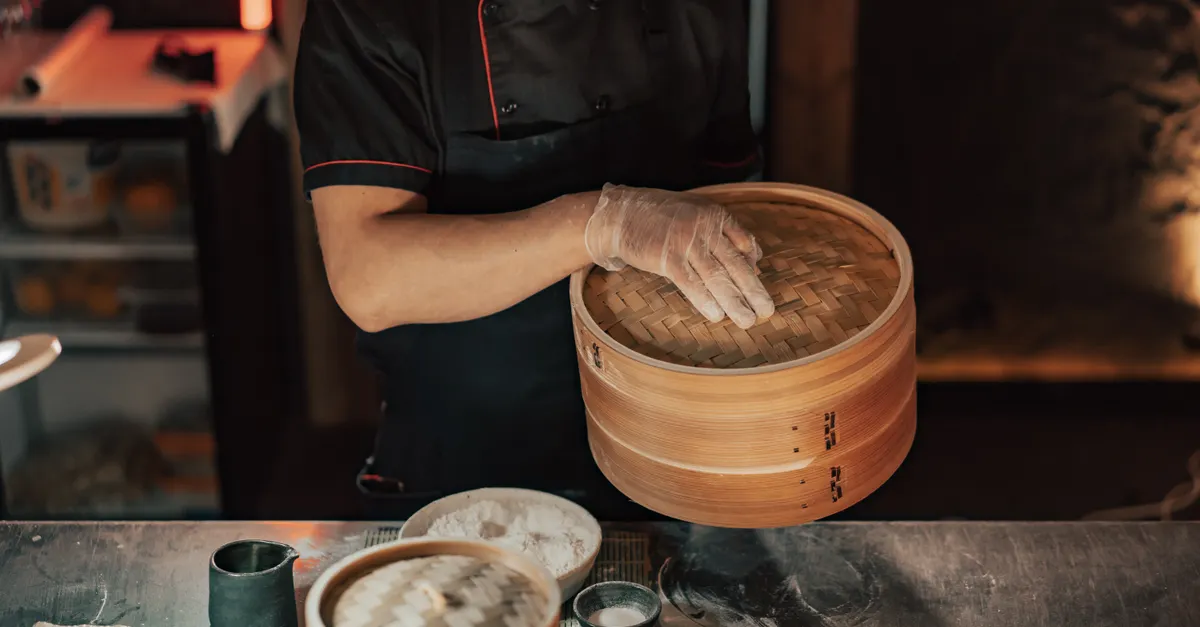
Fish and seafood are excellent candidates for steaming, as the moist heat keeps them tender and prevents drying out. Chicken breasts, dumplings, and even some grains like rice and quinoa can also be prepared using steam. For those interested in global cuisine, bamboo steamers are commonly used in Asian cooking to prepare dishes like dim sum and bao buns.
Practical Tips for Incorporating Steam Cooking
Getting started with steaming is straightforward, and you don’t need a lot of specialized equipment. Here are some practical suggestions to help you make the most of this healthy cooking method:
Choosing the Right Equipment
- Steamer basket: A metal or silicone basket that fits inside a pot is one of the simplest and most affordable ways to steam food. Just add a small amount of water to the pot, place the basket above the waterline, and cover with a lid.
- Bamboo steamer: Popular in Asian kitchens, bamboo steamers are stackable and allow you to cook multiple items at once. They sit over a wok or pot of simmering water.
- Steam oven: For those who steam frequently or in larger quantities, a dedicated steam oven offers precise temperature control and versatility.
If you’re considering upgrading your kitchen tools, you might find it helpful to review the best steam cooking appliances for healthy home cooking.
Tips for Everyday Steaming
- Cut food into uniform pieces to ensure even cooking.
- Don’t overcrowd the steamer; leave space for steam to circulate.
- Season food before or after steaming, as the process itself doesn’t add flavor.
- Use herbs, citrus slices, or aromatics in the steaming water to subtly infuse flavor.
- Monitor cooking times closely—most vegetables only need a few minutes to become tender-crisp.
Incorporating Steaming Into Your Routine
Start by replacing one or two boiled or fried dishes each week with steamed alternatives. Experiment with different vegetables, proteins, and grains to discover new favorites. Steaming can also be combined with other techniques—try steaming vegetables and then quickly sautéing them for added flavor, or steam fish and finish with a light sauce.

Conclusion: Why Steaming Is Worth Trying
Adopting steam cooking in your kitchen offers a range of advantages, from superior nutrient retention to enhanced flavors and textures. Scientific research supports the idea that steaming can help preserve or even boost beneficial compounds in foods like broccoli, making it a smart choice for those focused on health and wellness. With minimal equipment and a straightforward process, it’s easy to incorporate steaming into your daily meal prep. Whether you’re aiming to eat healthier, save time, or simply enjoy fresher-tasting food, steaming is a technique well worth exploring.
Frequently Asked Questions
What are the main health benefits of steam cooking?
Steaming helps preserve vitamins, minerals, and phytonutrients that are often lost in other cooking methods. It also avoids the need for added fats, making meals lower in calories and healthier overall. Scientific studies show that steaming can specifically enhance compounds like sulforaphane and glucosinolates in vegetables.
How does steam cooking preserve nutrients compared to boiling or frying?
Steam cooking uses minimal water and lower temperatures, which prevents water-soluble nutrients from leaching out. Unlike boiling, where nutrients can be lost in the cooking water, or frying, which can degrade sensitive vitamins, steaming keeps most nutrients in the food itself.
What equipment do I need to start steam cooking?
You can begin with a simple steamer basket that fits inside a regular pot. Bamboo steamers and steam ovens offer additional options for those who want to cook larger quantities or a wider variety of foods. No matter the tool, the basic principle is the same: food is cooked by the heat of steam, not direct contact with water or oil.


[…] When it comes to preparing meals efficiently and healthily, two popular methods often come to mind: steam cooking and pressure cooking. Both techniques offer unique benefits and are favored for different reasons. Understanding the differences between these cooking methods can help you decide which is best suited for your culinary needs. Whether you’re a health-conscious cook or someone looking to save time in the kitchen, this comparison will provide valuable insights into each method’s advantages and disadvantages. For more on the benefits of steam cooking, check out our article on steam cooking benefits. […]
[…] When it comes to preparing meals, the debate between steam cooking vs microwaving is a hot topic among culinary enthusiasts and health-conscious individuals alike. Both methods offer unique advantages and potential drawbacks, making it essential to understand their differences. This comparison is particularly useful for those looking to optimize their cooking methods for better health, taste, and efficiency. Whether you’re a busy professional seeking quick meal solutions or a health enthusiast aiming to preserve nutrients, this guide will help you make an informed decision. For more insights into the benefits of steaming, check out our detailed article on steam cooking benefits. […]